論語(學而、爲政、里仁、述而、子罕)论语(学而、为政、里仁、述而、子罕)
The Analects: Books 1, 2, 4, 7 and 9
Librarian’s score9.6Claude · AI
Readers—Shown after five ratings
Few books have shaped how so many people think about learning and conduct, and these five books hold many of the sayings people still quote.
學而第一学而第一Book 1 · Learning#
子曰:「學而時習之,不亦說乎?有朋自遠方來,不亦樂乎?人不知而不慍,不亦君子乎?」
子曰:「学而时习之,不亦说乎?有朋自远方来,不亦乐乎?人不知而不愠,不亦君子乎?」
The Master said: "To learn something and, in due time, to practise it: is that not a pleasure? To have friends come from far away: is that not a joy? To go unrecognised by others and feel no resentment: is that not the mark of a gentleman?"
有子曰:「其爲人也孝弟,而好犯上者,鮮矣;不好犯上,而好作亂者,未之有也。君子務本,本立而道生;孝弟也者,其爲仁之本與?」
有子曰:「其为人也孝弟,而好犯上者,鲜矣;不好犯上,而好作乱者,未之有也。君子务本,本立而道生;孝弟也者,其为仁之本与?」
Master You said: "Few who are good sons and good younger brothers like to defy their superiors, and there has never been one who disliked defying his superiors yet liked to stir up disorder. The gentleman works at the root. When the root is set, the Way grows from it. Being a good son and a good younger brother: is this not the root of humaneness?"
子曰:「巧言令色,鮮矣仁。」
子曰:「巧言令色,鲜矣仁。」
The Master said: "Clever words and a pleasing face: seldom is there humaneness in them."
曾子曰:「吾日三省吾身:爲人謀而不忠乎?與朋友交而不信乎?傳不習乎?」
曾子曰:「吾日三省吾身:为人谋而不忠乎?与朋友交而不信乎?传不习乎?」
Master Zeng said: "Every day I examine myself on three points. In acting on behalf of others, have I been less than loyal? In dealing with friends, have I failed to keep my word? Have I passed on what I have not practised myself?"
子曰:「道千乘之國,敬事而信,節用而愛人,使民以時。」
子曰:「道千乘之国,敬事而信,节用而爱人,使民以时。」
The Master said: "To guide a state of a thousand chariots: be attentive in affairs and keep faith, be sparing in expenditure and love the people, and employ the people only at the proper seasons."
子曰:「弟子入則孝,出則弟,謹而信,汎愛眾,而親仁。行有餘力,則以學文。」
子曰:「弟子入则孝,出则弟,谨而信,泛爱众,而亲仁。行有余力,则以学文。」
The Master said: "A young person should be a good son at home and respectful to elders outside, careful and trustworthy, loving towards all, and close to those who are humane. If there is strength left over after this, let it be used to study letters."
子夏曰:「賢賢易色;事父母,能竭其力;事君,能致其身;與朋友交,言而有信;雖曰未學,吾必謂之學矣。」
子夏曰:「贤贤易色;事父母,能竭其力;事君,能致其身;与朋友交,言而有信;虽曰未学,吾必谓之学矣。」
Zixia said: "Someone who values worth above looks, who in serving his parents can give all his strength, who in serving his lord can give his whole person, and who keeps his word with his friends: though he may say he has not studied, I would certainly call him learned."
子曰:「君子不重則不威,學則不固。主忠信,無友不如己者,過則勿憚改。」
子曰:「君子不重则不威,学则不固。主忠信,无友不如己者,过则勿惮改。」
The Master said: "A gentleman who is not serious will not be respected, and his learning will not be solid. Hold loyalty and good faith as first principles. Have no friends who are not your equal. When you make a mistake, do not be afraid to correct it."
曾子曰:「愼終追遠,民德歸厚矣。」
曾子曰:「慎终追远,民德归厚矣。」
Master Zeng said: "Take care over the end of life and remember those long gone, and the people's virtue will grow deep again."
子禽問於子貢曰:「夫子至於是邦也,必聞其政,求之與?抑與之與?」子貢曰:「夫子溫、良、恭、儉、讓以得之。夫子之求之也,其諸異乎人之求之與?」
子禽问于子贡曰:「夫子至于是邦也,必闻其政,求之与?抑与之与?」子贡曰:「夫子温、良、恭、俭、让以得之。夫子之求之也,其诸异乎人之求之与?」
Ziqin asked Zigong: "Whenever the Master arrives in a state, he always comes to hear about its government. Does he seek this out, or is it offered to him?" Zigong said: "The Master gets it by being cordial, good, respectful, frugal and deferential. The Master's way of seeking it is surely different from the way other people seek it."
子曰:「父在觀其志,父沒觀其行。三年無改於父之道,可謂孝矣。」
子曰:「父在观其志,父没观其行。三年无改于父之道,可谓孝矣。」
The Master said: "While a man's father is alive, observe his intentions; when his father is gone, observe his conduct. If for three years he does not change his father's ways, he may be called a good son."
有子曰:「禮之用,和爲貴;先王之道,斯爲美;小大由之。有所不行,知和而和,不以禮節之,亦不可行也。」
有子曰:「礼之用,和为贵;先王之道,斯为美;小大由之。有所不行,知和而和,不以礼节之,亦不可行也。」
Master You said: "In the practice of ritual, harmony is what is most valued. In the ways of the former kings, this was the beautiful thing, and they followed it in matters great and small. But there are times when it does not work: if you know harmony and seek harmony without regulating it by ritual, that will not work either."
有子曰:「信近於義,言可復也;恭近於禮,遠恥辱也。因不失其親,亦可宗也。」
有子曰:「信近于义,言可复也;恭近于礼,远耻辱也。因不失其亲,亦可宗也。」
Master You said: "If your promises are close to what is right, your word can be kept. If your respect is close to ritual, you will keep shame and disgrace at a distance. If you rely on those you should not neglect, they too can be your mainstay."
子曰:「君子食無求飽,居無求安,敏於事而愼於言,就有道而正焉:可謂好學也已。」
子曰:「君子食无求饱,居无求安,敏于事而慎于言,就有道而正焉:可谓好学也已。」
The Master said: "A gentleman who does not seek to eat his fill or to live in comfort, who is quick in action and careful in speech, and who goes to those who have the Way to be set straight: he may be called fond of learning."
子貢曰:「貧而無諂,富而無驕,何如?」子曰:「可也。未若貧而樂,富而好禮者也。」子貢曰:「《詩》云:『如切如磋,如琢如磨。』其斯之謂與?」子曰:「賜也,始可與言《詩》已矣!吿諸往而知來者。」
子贡曰:「贫而无谄,富而无骄,何如?」子曰:「可也。未若贫而乐,富而好礼者也。」子贡曰:「《诗》云:『如切如磋,如琢如磨。』其斯之谓与?」子曰:「赐也,始可与言《诗》已矣!告诸往而知来者。」
Zigong said: "Poor but not servile, rich but not arrogant: how is that?" The Master said: "It will do. But it is not as good as poor yet joyful, rich yet loving ritual." Zigong said: "The Book of Songs says, 'As if cut, as if filed, as if carved, as if polished.' Is this what it means?" The Master said: "Ci, now I can begin to talk about the Songs with you. Tell you what has gone before, and you know what is to come."
子曰:「不患人之不己知,患不知人也。」
子曰:「不患人之不己知,患不知人也。」
The Master said: "Do not worry that others do not know you. Worry that you do not know others."
爲政第二为政第二Book 2 · Government#
子曰:「爲政以德,譬如北辰,居其所,而眾星共之。」
子曰:「为政以德,譬如北辰,居其所,而众星共之。」
The Master said: "To govern by virtue is like the pole star: it stays in its place, and all the other stars turn around it."
子曰:「詩三百,一言以蔽之,曰思無邪。」
子曰:「诗三百,一言以蔽之,曰思无邪。」
The Master said: "The three hundred Songs can be summed up in one phrase: no swerving in thought."
子曰:「道之以政,齊之以刑,民免而無恥;道之以德,齊之以禮,有恥且格。」
子曰:「道之以政,齐之以刑,民免而无耻;道之以德,齐之以礼,有耻且格。」
The Master said: "Guide the people with orders and keep them in line with punishments, and they will stay out of trouble but have no sense of shame. Guide them with virtue and keep them in line with ritual, and they will have a sense of shame and set themselves right."
子曰:「吾十有五而志于學;三十而立;四十而不惑;五十而知天命;六十而耳順;七十而從心所欲,不踰矩。」
子曰:「吾十有五而志于学;三十而立;四十而不惑;五十而知天命;六十而耳顺;七十而从心所欲,不逾矩。」
The Master said: "At fifteen I set my heart on learning. At thirty I stood firm. At forty I had no doubts. At fifty I knew the will of heaven. At sixty my ear was attuned. At seventy I could follow what my heart desired without overstepping the line."
孟懿子問孝。子曰:「無違。」樊遲御,子吿之曰:「孟孫問孝於我,我對曰:『無違。』」樊遲曰:「何謂也?」子曰:「生,事之以禮;死,葬之以禮,祭之以禮。」
孟懿子问孝。子曰:「无违。」樊迟御,子告之曰:「孟孙问孝于我,我对曰:『无违。』」樊迟曰:「何谓也?」子曰:「生,事之以礼;死,葬之以礼,祭之以礼。」
Meng Yizi asked about being a good son. The Master said: "Do not disobey." When Fan Chi was driving his chariot, the Master told him: "Meng asked me about being a good son, and I answered, 'Do not disobey.'" Fan Chi said: "What did you mean?" The Master said: "While they are alive, serve them according to ritual. When they die, bury them according to ritual, and make offerings to them according to ritual."
孟武伯問孝。子曰:「父母,唯其疾之憂。」
孟武伯问孝。子曰:「父母,唯其疾之忧。」
Meng Wubo asked about being a good son. The Master said: "Give your father and mother no cause to worry about anything but your health."
子游問孝。子曰:「今之孝者,是謂能養。至於犬馬,皆能有養。不敬,何以別乎?」
子游问孝。子曰:「今之孝者,是谓能养。至于犬马,皆能有养。不敬,何以别乎?」
Ziyou asked about being a good son. The Master said: "Nowadays being a good son means being able to feed one's parents. But even dogs and horses are fed. Without respect, where is the difference?"
子夏問孝。子曰:「色難。有事,弟子服其勞;有酒食,先生饌。曾是以爲孝乎?」
子夏问孝。子曰:「色难。有事,弟子服其劳;有酒食,先生馔。曾是以为孝乎?」
Zixia asked about being a good son. The Master said: "The hard part is the expression on one's face. When there is work to be done, the young take on the labour; when there is wine and food, the elders are served first. Is that all it takes to be a good son?"
子曰:「吾與回言終日,不違如愚。退而省其私,亦足以發。回也不愚。」
子曰:「吾与回言终日,不违如愚。退而省其私,亦足以发。回也不愚。」
The Master said: "I talk with Hui all day long, and he never disagrees, as if he were slow. But when he has withdrawn and I look at his private life, I find he has drawn out what I said. Hui is not slow at all."
子曰:「視其所以,觀其所由,察其所安,人焉廋哉!人焉廋哉!」
子曰:「视其所以,观其所由,察其所安,人焉廋哉!人焉廋哉!」
The Master said: "See what a person does. Look at how he does it. Observe what he is at peace with. How can anyone stay hidden? How can anyone stay hidden?"
子曰:「溫故而知新,可以爲師矣。」
子曰:「温故而知新,可以为师矣。」
The Master said: "Someone who keeps the old warm and so comes to know the new can be a teacher."
子曰:「君子不器。」
子曰:「君子不器。」
The Master said: "A gentleman is not a vessel made for one use."
子貢問君子。子曰:「先行其言,而後從之。」
子贡问君子。子曰:「先行其言,而后从之。」
Zigong asked about the gentleman. The Master said: "He first puts his words into practice, and only then lets his words follow."
子曰:「君子周而不比,小人比而不周。」
子曰:「君子周而不比,小人比而不周。」
The Master said: "The gentleman is inclusive and not partisan. The small man is partisan and not inclusive."
子曰:「學而不思則罔,思而不學則殆。」
子曰:「学而不思则罔,思而不学则殆。」
The Master said: "To learn without thinking is to be lost. To think without learning is to be in danger."
子曰:「攻乎異端,斯害也已。」
子曰:「攻乎异端,斯害也已。」
The Master said: "To attack a different doctrine only does harm."
子曰:「由,誨女知之乎!知之爲知之,不知爲不知,是知也。」
子曰:「由,诲女知之乎!知之为知之,不知为不知,是知也。」
The Master said: "You, shall I teach you what knowing is? When you know something, to recognise that you know it; when you do not know something, to recognise that you do not know it. That is knowing."
子張學干祿。子曰:「多聞闕疑,愼言其餘,則寡尤;多見闕殆,愼行其餘,則寡悔。言寡尤,行寡悔,祿在其中矣。」
子张学干禄。子曰:「多闻阙疑,慎言其余,则寡尤;多见阙殆,慎行其余,则寡悔。言寡尤,行寡悔,禄在其中矣。」
Zizhang was studying in order to obtain an official post. The Master said: "Hear much, leave aside what is doubtful, and speak carefully about the rest, and you will make few mistakes. See much, leave aside what is risky, and act carefully on the rest, and you will have few regrets. Few mistakes in speech, few regrets in action: the post will follow from that."
哀公問曰:「何爲則民服?」孔子對曰:「擧直錯諸枉,則民服;擧枉錯諸直,則民不服。」
哀公问曰:「何为则民服?」孔子对曰:「举直错诸枉,则民服;举枉错诸直,则民不服。」
Duke Ai asked: "What should I do so that the people will be won over?" Confucius answered: "Raise up the straight and set them over the crooked, and the people will be won over. Raise up the crooked and set them over the straight, and the people will not be won over."
季康子問:「使民敬忠以勸,如之何?」子曰:「臨之以莊,則敬;孝慈,則忠;擧善而教不能,則勸。」
季康子问:「使民敬忠以劝,如之何?」子曰:「临之以庄,则敬;孝慈,则忠;举善而教不能,则劝。」
Ji Kangzi asked: "How can the people be made respectful, loyal and eager?" The Master said: "Approach them with dignity, and they will be respectful. Be a good son and kind to all, and they will be loyal. Raise up the good and teach those who are not able, and they will be eager."
或謂孔子曰:「子奚不爲政?」子曰:「《書》云:『孝乎惟孝,友於兄弟。』施於有政,是亦爲政,奚其爲爲政?」
或谓孔子曰:「子奚不为政?」子曰:「《书》云:『孝乎惟孝,友于兄弟。』施于有政,是亦为政,奚其为为政?」
Someone said to Confucius: "Why do you not take part in government?" The Master said: "The Book of Documents says, 'Be a good son, only a good son, and a friend to your brothers.' To carry this into the affairs of a household is also to take part in government. Why must one hold office to take part in government?"
子曰:「人而無信,不知其可也。大車無輗,小車無軏,其何以行之哉?」
子曰:「人而无信,不知其可也。大车无𫐐,小车无𫐄,其何以行之哉?」
The Master said: "A person without good faith: I do not know how he can manage. A large cart without a yoke-bar, a small cart without a collar-bar: how can they be made to go?"
子張問:「十世可知也?」子曰:「殷因於夏禮,所損益可知也;周因於殷禮,所損益可知也;其或繼周者,雖百世可知也。」
子张问:「十世可知也?」子曰:「殷因于夏礼,所损益可知也;周因于殷礼,所损益可知也;其或继周者,虽百世可知也。」
Zizhang asked: "Can we know what things will be like ten generations from now?" The Master said: "The Yin took over the rites of the Xia, and what they removed and added can be known. The Zhou took over the rites of the Yin, and what they removed and added can be known. Whoever may succeed the Zhou, even a hundred generations from now, can be known."
子曰:「非其鬼而祭之,諂也。見義不爲,無勇也。」
子曰:「非其鬼而祭之,谄也。见义不为,无勇也。」
The Master said: "To make offerings to spirits that are not your own is to flatter. To see what is right and not do it is to lack courage."
里仁第四里仁第四Book 4 · Dwelling in Humaneness#
子曰:「里仁爲美。擇不處仁,焉得知?」
子曰:「里仁为美。择不处仁,焉得知?」
The Master said: "It is humaneness that makes a neighbourhood beautiful. How can someone be called wise who, having the choice, does not settle among the humane?"
子曰:「不仁者,不可以久處約,不可以長處樂。仁者安仁,知者利仁。」
子曰:「不仁者,不可以久处约,不可以长处乐。仁者安仁,知者利仁。」
The Master said: "Those who are not humane cannot endure hardship for long, nor enjoy happiness for long. The humane are at peace in humaneness; the wise make use of it."
子曰:「惟仁者能好人,能惡人。」
子曰:「惟仁者能好人,能恶人。」
The Master said: "Only the humane can truly like people, and truly dislike them."
子曰:「苟志於仁矣,無惡也。」
子曰:「苟志于仁矣,无恶也。」
The Master said: "If you set your heart on humaneness, you will do no wrong."
子曰:「富與貴,是人之所欲也,不以其道得之,不處也。貧與賤,是人之所惡也;不以其道得之,不去也。君子去仁,惡乎成名?君子無終食之閒違仁,造次必於是,顚沛必於是。」
子曰:「富与贵,是人之所欲也,不以其道得之,不处也。贫与贱,是人之所恶也;不以其道得之,不去也。君子去仁,恶乎成名?君子无终食之间违仁,造次必于是,颠沛必于是。」
The Master said: "Wealth and rank are what people want, but if they cannot be had in the right way, do not keep them. Poverty and low station are what people hate, but if they cannot be escaped in the right way, do not run from them. If a gentleman abandons humaneness, how can he make a name? A gentleman does not depart from humaneness even for the space of a meal. In haste and hurry he holds to it; in stumbling and falling he holds to it."
子曰:「我未見好仁者,惡不仁者。好仁者,無以尙之;惡不仁者,其爲仁矣。不使不仁者加乎其身。有能一日用其力於仁矣乎?我未見力不足者!蓋有之矣,我未之見也。」
子曰:「我未见好仁者,恶不仁者。好仁者,无以尚之;恶不仁者,其为仁矣。不使不仁者加乎其身。有能一日用其力于仁矣乎?我未见力不足者!盖有之矣,我未之见也。」
The Master said: "I have never seen anyone who truly loved humaneness, or anyone who truly hated what is not humane. One who loves humaneness puts nothing above it. One who hates what is not humane is practising humaneness, because he will not let what is not humane touch him. Is there anyone who can devote all his strength to humaneness for a single day? I have never seen anyone whose strength was not enough. Perhaps there is such a person, but I have never seen him."
子曰:「人之過也,各於其黨。觀過,斯知仁矣。」
子曰:「人之过也,各于其党。观过,斯知仁矣。」
The Master said: "People's faults are true to their kind. Look at someone's faults, and you will know their humaneness."
子曰:「朝聞道,夕死可矣!」
子曰:「朝闻道,夕死可矣!」
The Master said: "If I hear the Way in the morning, I can die content in the evening."
子曰:「士志於道,而恥惡衣惡食者,未足與議也!」
子曰:「士志于道,而耻恶衣恶食者,未足与议也!」
The Master said: "A scholar who has set his heart on the Way but is ashamed of poor clothes and poor food is not worth talking to."
子曰:「君子之於天下也,無適也,無莫也,義之與比。」
子曰:「君子之于天下也,无适也,无莫也,义之与比。」
The Master said: "The gentleman, in his dealings with the world, is not set for or against anything. He sides with what is right."
子曰:「君子懷德,小人懷土;君子懷刑,小人懷惠。」
子曰:「君子怀德,小人怀土;君子怀刑,小人怀惠。」
The Master said: "The gentleman cares about virtue; the small man cares about his land. The gentleman cares about the law; the small man cares about favours."
子曰:「放於利而行,多怨。」
子曰:「放于利而行,多怨。」
The Master said: "To act always with an eye to profit is to invite much resentment."
子曰:「能以禮讓爲國乎,何有?不能以禮讓爲國,如禮何?」
子曰:「能以礼让为国乎,何有?不能以礼让为国,如礼何?」
The Master said: "If a state can be governed with ritual and deference, what difficulty is there? If a state cannot be governed with ritual and deference, what good is ritual?"
子曰:「不患無位,患所以立。不患莫己知,求爲可知也。」
子曰:「不患无位,患所以立。不患莫己知,求为可知也。」
The Master said: "Do not worry that you have no position; worry about how to be fit for one. Do not worry that no one knows you; seek to be worth knowing."
子曰:「參乎!吾道一以貫之。」曾子曰:「唯。」子出,門人問曰:「何謂也?」曾子曰:「夫子之道,忠恕而已矣!」
子曰:「参乎!吾道一以贯之。」曾子曰:「唯。」子出,门人问曰:「何谓也?」曾子曰:「夫子之道,忠恕而已矣!」
The Master said: "Shen, my Way has one thread running through it." Master Zeng said: "Yes." When the Master had gone out, the disciples asked: "What did he mean?" Master Zeng said: "The Master's Way is loyalty and reciprocity, and nothing more."
子曰:「君子喻於義,小人喻於利。」
子曰:「君子喻于义,小人喻于利。」
The Master said: "The gentleman understands what is right; the small man understands what is profitable."
子曰:「見賢思齊焉,見不賢而內自省也。」
子曰:「见贤思齐焉,见不贤而内自省也。」
The Master said: "When you see someone worthy, think of becoming their equal. When you see someone unworthy, look inward and examine yourself."
子曰:「事父母幾諫;見志不從,又敬不違,勞而不怨。」
子曰:「事父母几谏;见志不从,又敬不违,劳而不怨。」
The Master said: "In serving your father and mother, remonstrate gently. If you see they are not inclined to follow you, remain respectful and do not oppose them; take on the burden and do not complain."
子曰:「父母在,不遠遊;遊必有方。」
子曰:「父母在,不远游;游必有方。」
The Master said: "While your father and mother are alive, do not travel far. If you must travel, let them know where you are going."
子曰:「三年無改於父之道,可謂孝矣。」
子曰:「三年无改于父之道,可谓孝矣。」
The Master said: "If for three years he does not change his father's ways, he may be called a good son."
子曰:「父母之年,不可不知也。一則以喜,一則以懼。」
子曰:「父母之年,不可不知也。一则以喜,一则以惧。」
The Master said: "You should always know the age of your father and mother: on the one hand with joy, on the other with concern."
子曰:「古者言之不出,恥躬之不逮也。」
子曰:「古者言之不出,耻躬之不逮也。」
The Master said: "The ancients were slow to speak, because they would be ashamed if their actions did not keep up with their words."
子曰:「以約失之者,鮮矣。」
子曰:「以约失之者,鲜矣。」
The Master said: "Those who go wrong through holding back are few."
子曰:「君子欲訥於言而敏於行。」
子曰:「君子欲讷于言而敏于行。」
The Master said: "The gentleman wants to be slow in speech and quick in action."
子曰:「德不孤,必有鄰。」
子曰:「德不孤,必有邻。」
The Master said: "Virtue is never alone. It always has neighbours."
子游曰:「事君數,斯辱矣。朋友數,斯疏矣。」
子游曰:「事君数,斯辱矣。朋友数,斯疏矣。」
Ziyou said: "In serving a lord, if you are too insistent you will be disgraced. With friends, if you are too insistent you will be kept at a distance."
述而第七述而第七Book 7 · Transmitting#
子曰:「述而不作,信而好古,竊比於我老彭。」
子曰:「述而不作,信而好古,窃比于我老彭。」
The Master said: "I transmit and do not invent. I trust in and love the ancient ways. In this I venture to compare myself with our old Peng."
子曰:「默而識之,學而不厭,誨人不倦,何有於我哉?」
子曰:「默而识之,学而不厌,诲人不倦,何有于我哉?」
The Master said: "To take things in quietly, to learn without tiring, to teach others without growing weary: which of these can I claim?"
子曰:「德之不脩,學之不講,聞義不能徙,不善不能改,是吾憂也。」
子曰:「德之不修,学之不讲,闻义不能徙,不善不能改,是吾忧也。」
The Master said: "Virtue not cultivated, learning not discussed, hearing what is right and not being able to move towards it, having faults and not being able to correct them: these are my worries."
子之燕居,申申如也,夭夭如也。
子之燕居,申申如也,夭夭如也。
In his leisure hours the Master was relaxed and easy, cheerful and at ease.
子曰:「甚矣,吾衰也!久矣,吾不復夢見周公!」
子曰:「甚矣,吾衰也!久矣,吾不复梦见周公!」
The Master said: "How far I have declined. It is a long time since I dreamed of the Duke of Zhou."
子曰:「志於道,據於德,依於仁,游於藝。」
子曰:「志于道,据于德,依于仁,游于艺。」
The Master said: "Set your heart on the Way, base yourself on virtue, lean on humaneness, and take your recreation in the arts."
子曰:「自行束脩以上,吾未嘗無誨焉。」
子曰:「自行束修以上,吾未尝无诲焉。」
The Master said: "From anyone who brought even a bundle of dried meat as a gift, I have never withheld instruction."
子曰:「不憤不啟;不悱不發。擧一隅,不以三隅反,則不復也。」
子曰:「不愤不启;不悱不发。举一隅,不以三隅反,则不复也。」
The Master said: "I do not open the way for those who are not eager, nor help out those who are not struggling to speak. If I show someone one corner and he does not come back with the other three, I do not repeat the lesson."
子食於有喪者之側,未嘗飽也。子於是日哭,則不歌。
子食于有丧者之侧,未尝饱也。子于是日哭,则不歌。
When the Master ate beside someone in mourning, he never ate his fill. On a day when he had wept, he did not sing.
子謂顏淵曰:「用之則行,舍之則藏。惟我與爾有是夫!」子路曰:「子行三軍,則誰與?」子曰:「暴虎馮河,死而無悔者,吾不與也。必也臨事而懼,好謀而成者也。」
子谓颜渊曰:「用之则行,舍之则藏。惟我与尔有是夫!」子路曰:「子行三军,则谁与?」子曰:「暴虎冯河,死而无悔者,吾不与也。必也临事而惧,好谋而成者也。」
The Master said to Yan Yuan: "To act when employed and to stay hidden when set aside: only you and I can do this." Zilu said: "If you were leading the three armies, whom would you take with you?" The Master said: "Not someone who would wrestle a tiger with his bare hands or wade across a river and die without regret. It would have to be someone who approaches each task with caution and likes to plan things through to success."
子曰:「富而可求也,雖執鞭之士,吾亦爲之;如不可求,從吾所好。」
子曰:「富而可求也,虽执鞭之士,吾亦为之;如不可求,从吾所好。」
The Master said: "If wealth could be properly sought, I would seek it, even as a man with a whip clearing the road. If it cannot be properly sought, I will follow what I love."
子之所愼:齊、戰、疾。
子之所慎:齐、战、疾。
The things about which the Master was careful: fasting, war, and illness.
子在齊聞韶,三月不知肉味,曰:「不圖爲樂之至於斯也!」
子在齐闻韶,三月不知肉味,曰:「不图为乐之至于斯也!」
When the Master was in Qi he heard the Shao music, and for three months he did not notice the taste of meat. He said: "I never imagined that music could reach such heights."
冉有曰:「夫子爲衞君乎?」子貢曰:「諾,吾將問之」。入曰:「伯夷叔齊,何人也?」曰:「古之賢人也。」曰:「怨乎?」曰:「求仁而得仁,又何怨?」出,曰:「夫子不爲也。」
冉有曰:「夫子为卫君乎?」子贡曰:「诺,吾将问之」。入曰:「伯夷叔齐,何人也?」曰:「古之贤人也。」曰:「怨乎?」曰:「求仁而得仁,又何怨?」出,曰:「夫子不为也。」
Ran You said: "Is the Master on the side of the ruler of Wei?" Zigong said: "Well, I shall ask him." He went in and said: "What sort of men were Boyi and Shuqi?" The Master said: "Worthy men of old." "Did they have regrets?" "They sought humaneness and found it. What would they regret?" Zigong came out and said: "The Master is not on his side."
子曰:「飯疏食,飮水,曲肱而枕之,樂亦在其中矣。不義而富且貴,於我如浮雲。」
子曰:「饭疏食,饮水,曲肱而枕之,乐亦在其中矣。不义而富且贵,于我如浮云。」
The Master said: "Coarse rice to eat, water to drink, and my bent arm for a pillow: there is joy in this too. Wealth and rank gained by wrong means are to me like drifting clouds."
子曰:「加我數年,五十以學易,可以無大過矣。」
子曰:「加我数年,五十以学易,可以无大过矣。」
The Master said: "Give me a few more years, so that I may study the Changes at fifty, and I may be free of great faults."
子所雅言:「詩、書、執禮,皆雅言也。」
子所雅言:「诗、书、执礼,皆雅言也。」
The Master used the standard pronunciation for the Songs, the Documents and the performance of ritual. In all of these he used the standard pronunciation.
葉公問孔子於子路,子路不對。子曰:「女奚不曰:『其爲人也,發憤忘食,樂以忘憂,不知老之將至云爾。』」
叶公问孔子于子路,子路不对。子曰:「女奚不曰:『其为人也,发愤忘食,乐以忘忧,不知老之将至云尔。』」
The Duke of She asked Zilu about Confucius, and Zilu did not answer. The Master said: "Why did you not say: 'He is the kind of man who forgets to eat when he is eager, forgets his worries in his joy, and does not notice old age coming on'?"
子曰:「我非生而知之者,好古,敏以求之者也。」
子曰:「我非生而知之者,好古,敏以求之者也。」
The Master said: "I was not born knowing. I love the ancient ways and have worked hard to seek them out."
子不語:怪、力、亂、神。
子不语:怪、力、乱、神。
The Master did not talk about prodigies, feats of strength, disorder, or spirits.
子曰:「三人行,必有我師焉。擇其善者而從之,其不善者而改之。」
子曰:「三人行,必有我师焉。择其善者而从之,其不善者而改之。」
The Master said: "When three people walk together, there is sure to be a teacher for me among them. I pick out what is good in them and follow it, and what is not good I correct in myself."
子曰:「天生德於予,桓魋其如予何!」
子曰:「天生德于予,桓魋其如予何!」
The Master said: "Heaven gave birth to the virtue in me. What can Huan Tui do to me?"
子曰:「二三子,以我爲隱乎?吾無隱乎爾!吾無行而不與二三子者,是丘也。」
子曰:「二三子,以我为隐乎?吾无隐乎尔!吾无行而不与二三子者,是丘也。」
The Master said: "My friends, do you think I am hiding something from you? I hide nothing from you. There is nothing I do that I do not share with you. That is who I am."
子以四教:文、行、忠、信。
子以四教:文、行、忠、信。
The Master taught four things: letters, conduct, loyalty and good faith.
子曰:「聖人,吾不得而見之矣!得見君子者,斯可矣。」子曰:「善人,吾不得而見之矣!得見有恆者,斯可矣。亡而爲有,虛而爲盈,約而爲泰,難乎有恆矣!」
子曰:「圣人,吾不得而见之矣!得见君子者,斯可矣。」子曰:「善人,吾不得而见之矣!得见有恒者,斯可矣。亡而为有,虚而为盈,约而为泰,难乎有恒矣!」
The Master said: "A sage I shall never get to see; I would be content to see a gentleman." The Master said: "A truly good person I shall never get to see; I would be content to see someone who is constant. Pretending to have what one lacks, to be full when one is empty, to be at ease when one is in want: it is hard to be constant like that."
子釣而不綱,弋不射宿。
子钓而不纲,弋不射宿。
The Master fished with a line but not with a net. When he shot with a corded arrow, he did not shoot at birds roosting.
子曰:「蓋有不知而作之者,我無是也。多聞,擇其善者而從之,多見而識之,知之次也。」
子曰:「盖有不知而作之者,我无是也。多闻,择其善者而从之,多见而识之,知之次也。」
The Master said: "There may be those who make things up without knowing, but I am not one of them. To hear much, choose what is good and follow it; to see much and remember it: this is the next best thing to knowing."
互鄉難與言。童子見,門人惑。子曰:「與其進也,不與其退也。唯何甚?人潔己以進,與其潔也,不保其往也!」
互乡难与言。童子见,门人惑。子曰:「与其进也,不与其退也。唯何甚?人洁己以进,与其洁也,不保其往也!」
The people of Huxiang were hard to talk to. When a boy from there came to see the Master, the disciples were puzzled. The Master said: "I approve of his coming forward, not of his going back. Why be so severe? When someone has cleansed himself to come forward, I approve of his being clean; I do not vouch for his past."
子曰:「仁遠乎哉?我欲仁,斯仁至矣。」
子曰:「仁远乎哉?我欲仁,斯仁至矣。」
The Master said: "Is humaneness far away? If I want humaneness, there it is."
陳司敗問:「昭公知禮乎?」孔子曰:「知禮。」孔子退,揖巫馬期而進之,曰:「吾聞君子不黨,君子亦黨乎?君取於吳爲同姓,謂之吳孟子。君而知禮,孰不知禮?」巫馬期以吿。子曰:「丘也幸,苟有過,人必知之。」
陈司败问:「昭公知礼乎?」孔子曰:「知礼。」孔子退,揖巫马期而进之,曰:「吾闻君子不党,君子亦党乎?君取于吴为同姓,谓之吴孟子。君而知礼,孰不知礼?」巫马期以告。子曰:「丘也幸,苟有过,人必知之。」
The Minister of Justice of Chen asked: "Did Duke Zhao know ritual?" Confucius replied: "He knew ritual." After Confucius had withdrawn, the minister bowed to Wuma Qi, invited him forward, and said: "I have heard that a gentleman is not partial. Is a gentleman partial after all? The duke took a wife from Wu, of the same clan name, and called her Wu Mengzi. If he knew ritual, who does not know ritual?" Wuma Qi reported this. The Master said: "I am fortunate. If I make a mistake, others are sure to notice it."
子與人歌而善,必使反之,而後和之。
子与人歌而善,必使反之,而后和之。
When the Master was singing with others and someone sang well, he would ask for the song again, and then join in.
子曰:「文,莫吾猶人也;躬行君子,則吾未之有得!」
子曰:「文,莫吾犹人也;躬行君子,则吾未之有得!」
The Master said: "In letters I am perhaps as good as others. But as for living as a gentleman in my own conduct, that I have not yet achieved."
子曰:「若聖與仁,則吾豈敢?抑爲之不厭,誨人不倦,則可謂云爾已矣!」公西華曰:「正唯弟子不能學也!」
子曰:「若圣与仁,则吾岂敢?抑为之不厌,诲人不倦,则可谓云尔已矣!」公西华曰:「正唯弟子不能学也!」
The Master said: "How could I dare to claim sagehood or humaneness? But to work at them without tiring and to teach others without growing weary: that much can be said of me." Gongxi Hua said: "That is exactly what we disciples cannot learn."
子疾病,子路請禱。子曰:「有諸?」子路對曰:「有之。誄曰:『禱爾于上下神祇。』」子曰:「丘之禱久矣!」
子疾病,子路请祷。子曰:「有诸?」子路对曰:「有之。诔曰:『祷尔于上下神祇。』」子曰:「丘之祷久矣!」
The Master was gravely ill, and Zilu asked to offer prayers. The Master said: "Is there such a thing?" Zilu replied: "There is. The prayer says: 'We pray to you, spirits above and below.'" The Master said: "My praying has gone on for a long time."
子曰:「奢則不孫,儉則固;與其不孫也,甯固。」
子曰:「奢则不孙,俭则固;与其不孙也,宁固。」
The Master said: "Extravagance leads to presumption, frugality to shabbiness. Better shabby than presumptuous."
子曰:「君子坦蕩蕩,小人長戚戚。」
子曰:「君子坦荡荡,小人长戚戚。」
The Master said: "The gentleman is calm and at ease. The small man is always anxious."
子溫而厲,威而不猛,恭而安。
子温而厉,威而不猛,恭而安。
The Master was warm yet stern, dignified yet not fierce, respectful yet at ease.
子罕第九子罕第九Book 9 · The Master Seldom#
子罕言利與命與仁。
子罕言利与命与仁。
The Master seldom spoke of profit, or of fate, or of humaneness.
達巷黨人曰:「大哉孔子!博學而無所成名。」子聞之,謂門弟子曰:「吾何執?執御乎?執射乎?吾執御矣!」
达巷党人曰:「大哉孔子!博学而无所成名。」子闻之,谓门弟子曰:「吾何执?执御乎?执射乎?吾执御矣!」
A man from the village of Daxiang said: "How great Confucius is. He has learned so widely, yet he has made no name in any one thing." When the Master heard of this, he said to his disciples: "What shall I take up? Driving? Archery? I shall take up driving."
子曰:「麻冕,禮也;今也純,儉,吾從眾。拜下,禮也;今拜乎上,泰也。雖違眾,吾從下。」
子曰:「麻冕,礼也;今也纯,俭,吾从众。拜下,礼也;今拜乎上,泰也。虽违众,吾从下。」
The Master said: "A cap of hemp is what ritual prescribes; nowadays silk is used, which is more frugal, and I follow the majority. To bow at the foot of the steps is what ritual prescribes; nowadays people bow at the top, which is presumptuous. Though it goes against the majority, I bow at the foot."
子絕四:「毋意,毋必,毋固,毋我。」
子绝四:「毋意,毋必,毋固,毋我。」
The Master was free of four things: no guessing, no insisting, no obstinacy, no self.
子畏於匡。曰:「文王既沒,文不在茲乎?天之將喪斯文也,後死者,不得與於斯文也。天之未喪斯文也,匡人其如予何?」
子畏于匡。曰:「文王既没,文不在兹乎?天之将丧斯文也,后死者,不得与于斯文也。天之未丧斯文也,匡人其如予何?」
When the Master was in danger in Kuang, he said: "Since King Wen is gone, is not the culture here, with me? If heaven had meant to destroy this culture, those who came after would never have been given a share in it. Since heaven has not destroyed this culture, what can the people of Kuang do to me?"
大宰問於子貢曰:「夫子聖者與?何其多能也?」子貢曰:「固天縱之將聖,又多能也。」子聞之曰:「大宰知我乎!吾少也賤,故多能鄙事。君子多乎哉?不多也!」
大宰问于子贡曰:「夫子圣者与?何其多能也?」子贡曰:「固天纵之将圣,又多能也。」子闻之曰:「大宰知我乎!吾少也贱,故多能鄙事。君子多乎哉?不多也!」
The Grand Steward asked Zigong: "Is your Master a sage? How many things he can do." Zigong said: "Heaven has surely set him on the way to sagehood, and he can do many things besides." When the Master heard this, he said: "Does the Grand Steward know me? When I was young I was of humble station, so I learned to do many ordinary things. Does a gentleman need to be able to do many things? No, not many."
牢曰:「子云:『吾不試,故藝。』」
牢曰:「子云:『吾不试,故艺。』」
Lao said: "The Master said, 'I was never given an office, so I learned the arts.'"
子曰:「吾有知乎哉?無知也。有鄙夫問於我,空空如也,我扣其兩端而竭焉。」
子曰:「吾有知乎哉?无知也。有鄙夫问于我,空空如也,我扣其两端而竭焉。」
The Master said: "Do I have knowledge? No, I do not. If a simple man asks me something, I come to it quite empty. I tap at both ends of the question and go through it to the bottom."
子曰:「鳳鳥不至,河不出圖,吾已矣夫!」
子曰:「凤鸟不至,河不出图,吾已矣夫!」
The Master said: "The phoenix does not come, the river gives out no chart. It is all over with me."
子見齊衰者,冕衣裳者,與瞽者,見之,雖少必作,過之必趨。
子见齐衰者,冕衣裳者,与瞽者,见之,虽少必作,过之必趋。
When the Master saw someone in mourning dress, or someone in ceremonial cap and robes, or someone blind, he would rise at once, even if they were younger than he was; and if he passed them, he would quicken his step.
顏淵喟然歎曰:「仰之彌高,鑽之彌堅,瞻之在前,忽焉在後!夫子循循然善誘人:博我以文,約我以禮。欲罷不能,既竭吾才,如有所立卓爾,雖欲從之,末由也已!」
颜渊喟然叹曰:「仰之弥高,钻之弥坚,瞻之在前,忽焉在后!夫子循循然善诱人:博我以文,约我以礼。欲罢不能,既竭吾才,如有所立卓尔,虽欲从之,末由也已!」
Yan Yuan sighed and said: "The more I look up at it, the higher it seems; the more I bore into it, the harder it becomes. I see it in front of me, and suddenly it is behind. Step by step the Master leads people on so well. He broadens me with letters and restrains me with ritual. Even if I wanted to stop, I could not. I have used up all my ability, and something seems to stand there, tall before me. Though I want to follow it, I can find no way."
子疾病,子路使門人爲臣。病間,曰:「久矣哉,由之行詐也!無臣而爲有臣,吾誰欺?欺天乎?且予與其死於臣之手也,無寧死於二三子之手乎!且予縱不得大葬,予死於道路乎?」
子疾病,子路使门人为臣。病间,曰:「久矣哉,由之行诈也!无臣而为有臣,吾谁欺?欺天乎?且予与其死于臣之手也,无宁死于二三子之手乎!且予纵不得大葬,予死于道路乎?」
The Master was gravely ill, and Zilu had the disciples act as his retainers. When the illness eased a little, the Master said: "How long Zilu has been carrying on this pretence. I have no retainers, yet he acts as if I had. Whom am I deceiving? Am I deceiving heaven? Besides, would I not rather die in the arms of you, my friends, than in the arms of retainers? And even if I am not given a grand funeral, am I going to die by the roadside?"
子貢曰:「有美玉於斯,韞櫝而藏諸?求善賈而沽諸?」子曰:「沽之哉!沽之哉!我待賈者也!」
子贡曰:「有美玉于斯,韫椟而藏诸?求善贾而沽诸?」子曰:「沽之哉!沽之哉!我待贾者也!」
Zigong said: "Suppose there is a beautiful piece of jade here. Should one wrap it up and store it away in a box, or seek a good price and sell it?" The Master said: "Sell it, sell it. I am waiting for the right price."
子欲居九夷。或曰:「陋,如之何?」子曰:「君子居之,何陋之有?」
子欲居九夷。或曰:「陋,如之何?」子曰:「君子居之,何陋之有?」
The Master wanted to go and live among the nine tribes of the east. Someone said: "They are so rough. What would you do?" The Master said: "If a gentleman lived among them, what roughness would there be?"
子曰:「吾自衞反魯,然後樂正,雅頌各得其所。」
子曰:「吾自卫反鲁,然后乐正,雅颂各得其所。」
The Master said: "Only after I came back from Wei to Lu was the music put right, and the Ya and the Song each found their proper place."
子曰:「出則事公卿,入則事父兄,喪事不敢不勉,不爲酒困,何有於我哉?」
子曰:「出则事公卿,入则事父兄,丧事不敢不勉,不为酒困,何有于我哉?」
The Master said: "To serve the high officials when abroad and to serve my father and elder brothers at home; not to dare to be less than diligent in matters of mourning; not to be overcome by wine: which of these can I claim?"
子在川上曰:「逝者如斯夫!不舍晝夜。」
子在川上曰:「逝者如斯夫!不舍昼夜。」
The Master stood by a river and said: "It flows on like this, never stopping, day or night."
子曰:「吾未見好德如好色者也。」
子曰:「吾未见好德如好色者也。」
The Master said: "I have never seen anyone who loves virtue as much as he loves beauty."
子曰:「譬如爲山,未成一簣,止,吾止也!譬如平地,雖覆一簣,進,吾往也!」
子曰:「譬如为山,未成一篑,止,吾止也!譬如平地,虽覆一篑,进,吾往也!」
The Master said: "It is like building a mound: if I stop when only one basket of earth is needed, it is I who stopped. It is like levelling ground: if I go on, even if I have tipped only one basket, it is I who went forward."
子曰:「語之而不惰者,其回也與!」
子曰:「语之而不惰者,其回也与!」
The Master said: "The one who never grew slack when I talked to him: that was Hui, was it not?"
子謂顏淵,曰:「惜乎!吾見其進也,未見其止也!」
子谓颜渊,曰:「惜乎!吾见其进也,未见其止也!」
The Master said of Yan Yuan: "What a loss. I saw him go forward; I never saw him stop."
子曰:「苗而不秀者,有矣夫!秀而不實者,有矣夫!」
子曰:「苗而不秀者,有矣夫!秀而不实者,有矣夫!」
The Master said: "There are shoots that never flower. There are flowers that never bear fruit."
子曰:「後生可畏,焉知來者之不如今也?四十、五十而無聞焉,斯亦不足畏也已!」
子曰:「后生可畏,焉知来者之不如今也?四十、五十而无闻焉,斯亦不足畏也已!」
The Master said: "The young are to be held in awe. How do we know that those to come will not be equal to us now? But if someone reaches forty or fifty and nothing has been heard of him, then he is not worth holding in awe."
子曰:「法語之言,能無從乎?改之爲貴。巽與之言,能無說乎?繹之爲貴。說而不繹,從而不改,吾末如之何也已矣!」
子曰:「法语之言,能无从乎?改之为贵。巽与之言,能无说乎?绎之为贵。说而不绎,从而不改,吾末如之何也已矣!」
The Master said: "Can one help agreeing with words of correct counsel? But what counts is to change oneself. Can one help being pleased with words of gentle advice? But what counts is to think them through. If someone is pleased but does not think it through, agrees but does not change, there is nothing I can do for him."
子曰:「主忠信,毋友不如己者,過則勿憚改。」
子曰:「主忠信,毋友不如己者,过则勿惮改。」
The Master said: "Hold loyalty and good faith as first principles. Have no friends who are not your equal. When you make a mistake, do not be afraid to correct it."
子曰:「三軍可奪帥也,匹夫不可奪志也。」
子曰:「三军可夺帅也,匹夫不可夺志也。」
The Master said: "The three armies can be robbed of their commander, but a common man cannot be robbed of his will."
子曰:「衣敝縕袍,與衣狐貉者立,而不恥者,其由也與!『不忮不求,何用不臧?』」子路終身誦之。子曰:「是道也,何足以臧?」
子曰:「衣敝缊袍,与衣狐貉者立,而不耻者,其由也与!『不忮不求,何用不臧?』」子路终身诵之。子曰:「是道也,何足以臧?」
The Master said: "Wearing a tattered padded robe, standing beside those in fox and badger furs, and not feeling ashamed: that would be Zilu, would it not? 'Not envious, not covetous: how could he be anything but good?'" Zilu recited these lines all the time. The Master said: "That is the Way, but is it enough to be good?"
子曰:「歲寒,然後知松柏之後凋也。」
子曰:「岁寒,然后知松柏之后凋也。」
The Master said: "Only when the year turns cold do we see that the pine and cypress are the last to fade."
子曰:「知者不惑,仁者不憂,勇者不懼。」
子曰:「知者不惑,仁者不忧,勇者不惧。」
The Master said: "The wise are not perplexed, the humane are not anxious, the brave are not afraid."
子曰:「可與共學,未可與適道;可與適道,未可與立;可與立,未可與權。」
子曰:「可与共学,未可与适道;可与适道,未可与立;可与立,未可与权。」
The Master said: "There are those with whom one can study, but not yet travel the Way. There are those with whom one can travel the Way, but not yet take a stand. There are those with whom one can take a stand, but not yet weigh things as circumstances change."
「唐棣之華,偏其反而;豈不爾思?室是遠而」。子曰:「未之思也,夫何遠之有?」
「唐棣之华,偏其反而;岂不尔思?室是远而」。子曰:「未之思也,夫何远之有?」
"The flowers of the cherry tree, how they flutter and turn. It is not that I do not think of you, but your house is so far away." The Master said: "He did not really think of her. If he had, what distance would there be?"
学而第一#
孔子说:“学了,又按时温习和实践,不也很愉快吗?有朋友从远方来,不也很快乐吗?别人不了解我,我却不恼怒,不也是君子吗?”
有子说:“一个人孝顺父母、敬爱兄长,却喜欢冒犯上级,这样的人是很少的;不喜欢冒犯上级,却喜欢造反作乱,这样的人是从来没有的。君子致力于根本,根本确立了,道就由此而生。孝顺父母、敬爱兄长,大概就是仁的根本吧!”
孔子说:“花言巧语,满脸讨好,这样的人很少有仁德。”
曾子说:“我每天多次反省自己:替别人谋划办事,是否尽心竭力了呢?同朋友交往,是否诚实守信了呢?老师传授的学业,是否温习了呢?”
孔子说:“治理一个拥有千辆兵车的国家,要认真对待政事而又讲求信用,节约财用而又爱护百姓,役使百姓要不误农时。”
孔子说:“年轻人在家要孝顺父母,出门要敬爱兄长,言行谨慎而诚实可信,广泛地爱众人,亲近有仁德的人。这样做了还有余力,就用来学习文献。”
子夏说:“一个人能敬重贤德而看轻美色;侍奉父母,能竭尽全力;服侍君主,能献出自身;同朋友交往,说话诚实守信。这样的人,即使说他没有学习过,我也一定说他已经学习过了。”
孔子说:“君子不庄重,就没有威严;学习了,就不会闭塞固陋。要以忠和信为主,不要和不如自己的人交朋友,有了过错就不要怕改正。”
曾子说:“慎重地办理父母的丧事,虔诚地追念远代的祖先,百姓的德行就会归于淳厚了。”
子禽问子贡说:“老师每到一个国家,总能听到那个国家的政事。这是他求来的呢,还是人家主动告诉他的呢?”子贡说:“老师是靠温和、善良、恭敬、节俭、谦让得来的。老师求得的方式,大概和别人求得的方式不同吧?”
孔子说:“父亲在世时,要观察他的志向;父亲去世后,要观察他的行为。如果三年都不改变父亲生前的准则,就可以说是孝了。”
有子说:“礼的运用,以和谐为可贵。古代君王治国的方法,美好之处就在这里;无论大事小事都依照这个原则。但也有行不通的时候:如果只知为和谐而和谐,不用礼来节制,也是行不通的。”
有子说:“所守的信约接近于义,说过的话就能兑现;恭敬接近于礼,就能远离耻辱。所依靠的都是可亲近的人,也就值得尊崇了。”
孔子说:“君子饮食不求饱足,居住不求安逸,做事勤敏而说话谨慎,向有道德的人看齐来匡正自己,这样就可以说是好学了。”
子贡说:“贫穷而不谄媚,富有而不骄傲,怎么样?”孔子说:“可以了。但还不如贫穷而乐于道,富有而爱好礼。”子贡说:“《诗经》上说:‘像加工骨角,切了还要磋;像加工玉石,琢了还要磨。’大概就是说的这个意思吧?”孔子说:“赐啊,现在可以和你谈论《诗经》了!告诉你已经说过的,你就能推知还没有说到的。”
孔子说:“不担心别人不了解自己,只担心自己不了解别人。”
为政第二#
孔子说:“用道德来治理国家,就像北极星一样,安居在自己的位置上,而群星都环绕着它。”
孔子说:“《诗经》三百篇,用一句话来概括,就是‘思想纯正,没有邪念’。”
孔子说:“用政令来引导百姓,用刑罚来整治百姓,百姓只求免于受罚,却没有羞耻之心;用道德来引导百姓,用礼来规范百姓,百姓不但有羞耻之心,而且能自觉归正。”
孔子说:“我十五岁立志于学习;三十岁能够自立;四十岁遇事不再迷惑;五十岁懂得了天命;六十岁听到什么都能领会顺受;七十岁能随心所欲,却不越出规矩。”
孟懿子问什么是孝。孔子说:“不要违背。”樊迟为孔子驾车,孔子告诉他说:“孟孙向我问孝,我回答他说:‘不要违背。’”樊迟说:“这是什么意思呢?”孔子说:“父母活着的时候,依礼侍奉他们;父母去世后,依礼安葬他们,依礼祭祀他们。”
孟武伯问什么是孝。孔子说:“让父母只为你的疾病担忧。”
子游问什么是孝。孔子说:“现在所谓的孝,只是说能够养活父母。至于狗和马,也都能得到饲养。如果不存敬意,那又用什么来区别呢?”
子夏问什么是孝。孔子说:“难在对父母始终和颜悦色。有了事情,年轻人替长辈去操劳;有了酒饭,让长辈先吃喝。难道这样就可以算是孝了吗?”
孔子说:“我整天和颜回谈话,他从不提出不同意见,像个愚笨的人。等他退下之后,我观察他私下的言行,发现他也能对我讲的有所发挥。颜回并不愚笨啊。”
孔子说:“看一个人所做的事,观察他做事的方法与缘由,了解他安心于什么。这样,这个人还能怎样隐藏呢?这个人还能怎样隐藏呢?”
孔子说:“温习旧的知识,从而得到新的体会,就可以做老师了。”
孔子说:“君子不像器皿那样,只有一种用途。”
子贡问怎样做一个君子。孔子说:“先把要说的话做出来,然后再说出来。”
孔子说:“君子团结众人而不结党营私,小人结党营私而不团结众人。”
孔子说:“只学习而不思考,就会迷惘无所得;只思考而不学习,就会危殆而无所依。”
孔子说:“致力于不正确的学说,那就有害了。”
孔子说:“仲由,我教给你什么叫作知道吧!知道就是知道,不知道就是不知道,这才是真正的知道。”
子张要学求取官职俸禄的方法。孔子说:“多听,有疑问的地方先保留,其余有把握的,谨慎地说出来,就能少犯错误;多看,有疑惑的地方先保留,其余有把握的,谨慎地去做,就能减少后悔。说话少错误,做事少后悔,官职俸禄就在这里面了。”
鲁哀公问:“怎样做才能使百姓服从呢?”孔子回答说:“把正直的人提拔起来,安置在邪曲的人之上,百姓就会服从;把邪曲的人提拔起来,安置在正直的人之上,百姓就不会服从。”
季康子问:“要使百姓恭敬、尽忠而又互相勉励,应该怎么做呢?”孔子说:“你用庄重的态度对待他们,他们就会恭敬;你孝顺父母、慈爱幼小,他们就会尽忠;你提拔好人,教育能力差的人,他们就会互相勉励。”
有人对孔子说:“您为什么不去从政呢?”孔子说:“《尚书》上说:‘孝啊,只要孝顺父母,友爱兄弟。’把这种风气推广到政事上去,这也就是从政了,为什么一定要做官才算从政呢?”
孔子说:“一个人如果不讲信用,真不知道他怎么能立身处世。就像大车没有輗,小车没有軏,它靠什么行走呢?”
子张问:“十代以后的事可以预先知道吗?”孔子说:“殷朝沿袭夏朝的礼制,所废除和增加的内容是可以知道的;周朝沿袭殷朝的礼制,所废除和增加的内容也是可以知道的。将来如果有继承周朝的,即使是一百代以后,也是可以预先知道的。”
孔子说:“不是自己应当祭祀的鬼神,却去祭祀,这就是谄媚。见到合乎义的事却不去做,这就是没有勇气。”
里仁第四#
孔子说:“居住在有仁德的地方才好。选择住处,却不选有仁德的地方,怎么能算是明智呢?”
孔子说:“没有仁德的人,不能长久地处在贫困中,也不能长久地处在安乐中。有仁德的人安于仁,有智慧的人利于仁。”
孔子说:“只有有仁德的人,才能真正喜爱人,才能真正厌恶人。”
孔子说:“如果立志于仁,就不会做坏事了。”
孔子说:“富裕和显贵,是人人都想要的,但不用正当的方法得到它,君子是不会接受的。贫穷和卑贱,是人人都厌恶的,但不用正当的方法摆脱它,君子是不会摆脱的。君子如果离开了仁,又凭什么成就他的名声呢?君子即使在一顿饭的工夫里也不违背仁,仓促匆忙时一定和仁同在,颠沛流离时也一定和仁同在。”
孔子说:“我没有见过爱好仁的人,也没有见过厌恶不仁的人。爱好仁的人,那是好得无以复加了;厌恶不仁的人,他实行仁,就是不让不仁的东西沾到自己身上。有谁能在某一天把自己的力量用在仁上吗?我没有见过力量不够的。或许有这样的人吧,但我没有见过。”
孔子说:“人的过错,各自属于他那一类人。观察一个人的过错,就可以知道他是否有仁德了。”
孔子说:“早晨得知了真理,就是当晚死去也可以了!”
孔子说:“读书人立志追求真理,却又以穿得不好、吃得不好为耻,这种人就不值得和他谈论了!”
孔子说:“君子对于天下的事,没有一定要怎样做,也没有一定不要怎样做,只看怎样做合乎义,就怎样做。”
孔子说:“君子心怀道德,小人心怀乡土;君子心怀法度,小人心怀恩惠。”
孔子说:“只依据个人利益去行事,就会招来很多怨恨。”
孔子说:“能够用礼让来治理国家,那还有什么困难呢?不能用礼让来治理国家,又要礼做什么呢?”
孔子说:“不担心没有职位,只担心自己凭什么站得住。不担心没有人了解自己,只求自己成为值得别人了解的人。”
孔子说:“参啊!我的学说贯穿着一个根本的原则。”曾子说:“是。”孔子出去以后,其他学生问道:“这是什么意思?”曾子说:“老师的学说,不过是忠和恕罢了!”
孔子说:“君子懂得的是义,小人懂得的是利。”
孔子说:“见到贤人,就想着向他看齐;见到不贤的人,就在内心反省自己。”
孔子说:“侍奉父母,如果他们有不对的地方,要委婉地劝谏。看到自己的意见没有被采纳,仍然恭敬而不违逆,虽然忧劳,也不怨恨。”
孔子说:“父母在世,不出远门;如果要出远门,必须有确定的去处。”
孔子说:“如果三年都不改变父亲生前的准则,就可以说是孝了。”
孔子说:“父母的年纪,不能不时时记在心里。一方面为他们长寿而欢喜,一方面为他们衰老而忧惧。”
孔子说:“古人不轻易把话说出口,是因为以自己做不到为耻。”
孔子说:“因为约束自己而犯错误的,是很少的。”
孔子说:“君子说话要谨慎迟缓,做事要勤勉敏捷。”
孔子说:“有道德的人不会孤单,一定会有志同道合的人和他做邻居。”
子游说:“侍奉君主过于烦琐,就会招致侮辱;对待朋友过于烦琐,就会被疏远。”
述而第七#
孔子说:“只传述而不创作,相信并爱好古代的文化,我私下把自己比作老彭。”
孔子说:“默默地把所学的记在心里,学习而不满足,教人而不疲倦,这些我做到了哪些呢?”
孔子说:“品德不去修养,学问不去讲习,听到合乎义的道理不能去追随,有了缺点不能改正,这些都是我所忧虑的。”
孔子在家闲居的时候,舒展自如,和乐安详。
孔子说:“我衰老得多么厉害啊!我已经很久没有再梦见周公了!”
孔子说:“以道为志向,以德为根据,以仁为依靠,而游憩于六艺之中。”
孔子说:“只要是自愿带着一束干肉作为见面礼来求学的,我从来没有不教诲的。”
孔子说:“不到他苦思而想不通的时候,不去开导他;不到他想说却说不出来的时候,不去启发他。给他指出一个方面,他却不能由此推知其他三个方面,就不再教他了。”
孔子在有丧事的人旁边吃饭,从来没有吃饱过。孔子在这一天哭泣过,就不再唱歌。
孔子对颜渊说:“被任用,就推行自己的主张;不被任用,就把它收藏起来。只有我和你能做到这样吧!”子路说:“老师如果统率三军,那么和谁共事呢?”孔子说:“赤手空拳和老虎搏斗,不用船只徒步过河,这样死了都不后悔的人,我是不会和他共事的。我要找的,一定是遇事小心谨慎、善于谋划而能成功的人。”
孔子说:“财富如果可以求得,即使是给人执鞭的差事,我也愿意去做;如果不能求得,那就还是做我所爱好的事吧。”
孔子所谨慎对待的有三件事:斋戒、战争、疾病。
孔子在齐国听到了《韶》乐,三个月吃肉都尝不出滋味,说:“没想到音乐美妙到了这样的地步!”
冉有说:“老师会帮助卫国的国君吗?”子贡说:“好吧,我去问问他。”子贡进去问孔子:“伯夷、叔齐是什么样的人?”孔子说:“是古代的贤人。”子贡又问:“他们有怨恨吗?”孔子说:“他们追求仁德,便得到了仁德,又怨恨什么呢?”子贡出来,说:“老师不会帮助卫君的。”
孔子说:“吃粗粮,喝冷水,弯起胳膊当枕头,乐趣也就在这中间了。用不正当的手段得来的富贵,对我来说就像天上的浮云一样。”
孔子说:“再给我增加几年寿命,让我五十岁时去学习《易》,就可以没有大的过错了。”
孔子说雅言的场合:诵《诗》、读《书》、主持礼仪,都用雅言。
叶公向子路问孔子是怎样一个人,子路没有回答。孔子说:“你为什么不这样说:‘他的为人,发愤用功起来就忘了吃饭,快乐起来就忘了忧愁,连衰老将要到来也不知道,如此而已。’”
孔子说:“我不是生来就有知识的人,而是爱好古代文化,勤奋敏捷地去求取知识的人。”
孔子不谈论怪异、暴力、悖乱、鬼神。
孔子说:“几个人一同走路,其中一定有可以做我老师的人。选择他们的长处来学习,看到他们的短处就对照自己加以改正。”
孔子说:“上天把德赋予了我,桓魋能把我怎么样呢!”
孔子说:“学生们,你们以为我有什么隐瞒吗?我对你们没有什么隐瞒的!我没有一件事不是和你们一起做的,这就是我孔丘啊。”
孔子用四项内容教导学生:文献、德行、忠诚、信实。
孔子说:“圣人,我是见不到了!能见到君子,就可以了。”孔子又说:“善人,我是见不到了!能见到始终如一的人,就可以了。本来没有却装作有,本来空虚却装作充实,本来穷困却装作富足,这样的人是难以始终如一的啊!”
孔子钓鱼,但不用大网横断水流捕鱼;用带绳的箭射鸟,但不射归巢栖息的鸟。
孔子说:“大概有自己不懂却凭空创作的人,我没有这样的毛病。多听,选择其中好的来遵从;多看,把它记在心里,这是仅次于生而知之的智慧。”
互乡这个地方的人难以交谈。一个互乡的少年来见孔子,学生们感到疑惑。孔子说:“我是赞成他的进步,不是赞成他的退步。何必做得太过分呢?人家把自己弄得干干净净来求进步,就该赞成他的干净,不必追究他的过去。”
孔子说:“仁离我们很远吗?只要我想要仁,仁就来了。”
陈司败问:“鲁昭公懂得礼吗?”孔子说:“懂得礼。”孔子退出来以后,陈司败向巫马期作了个揖,请他走近,说:“我听说君子不偏袒自己人,难道君子也偏袒吗?鲁君从吴国娶了夫人,与鲁君是同姓,就把她称为吴孟子。如果鲁君算懂得礼,那还有谁不懂得礼呢?”巫马期把这话告诉了孔子。孔子说:“我真是幸运,如果有了过错,人家一定会知道。”
孔子和别人一起唱歌,如果别人唱得好,一定请他再唱一遍,然后自己和他一起唱。
孔子说:“在文献方面,我大概和别人差不多;至于身体力行做一个君子,那我还没有做到!”
孔子说:“如果说到圣和仁,那我怎么敢当呢?不过是学习和实行从不厌倦,教导别人从不疲倦,只不过如此而已!”公西华说:“这正是我们学生学不到的!”
孔子病得很重,子路请求为他祈祷。孔子说:“有这回事吗?”子路回答说:“有的。《诔》文上说:‘为你向天神地祇祈祷。’”孔子说:“我早就祈祷过了!”
孔子说:“奢侈就会显得不谦逊,节俭就会显得寒酸。与其不谦逊,宁可寒酸。”
孔子说:“君子心胸坦荡宽广,小人总是局促忧愁。”
孔子温和而又严厉,威严而不凶猛,恭敬而又安详。
子罕第九#
孔子很少谈论利、命和仁。
达巷这个地方的人说:“孔子真伟大啊!学问渊博,却没有可以成名的专长。”孔子听了,对他的学生们说:“我专做什么呢?驾车呢,还是射箭呢?我还是驾车吧!”
孔子说:“用麻布来做礼帽,这是合乎礼的;现在大家都用丝绸,这样省俭,我赞成大家的做法。臣子拜见君主,先在堂下跪拜,这是合乎礼的;现在大家都只在堂上跪拜,这是倨傲的表现。虽然违反大家的做法,我还是主张先在堂下跪拜。”
孔子杜绝了四种毛病:不凭空臆测,不绝对肯定,不固执己见,不自以为是。
孔子在匡地遭到围困,说:“周文王死了以后,礼乐文化不都在我这里吗?上天如果要消灭这种文化,那么后死的人就不会掌握这种文化了;上天如果不消灭这种文化,那么匡人又能把我怎么样呢?”
太宰问子贡说:“老夫子是位圣人吗?为什么这样多才多艺呢?”子贡说:“这本是上天让他成为圣人,又使他多才多艺。”孔子听到后说:“太宰了解我吗?我小时候地位卑贱,所以会做许多粗俗的事情。君子需要会这么多吗?不需要多啊!”
子牢说:“孔子说过:‘我没有被任用,所以学会了许多技艺。’”
孔子说:“我有知识吗?没有知识啊。有一个乡下人来问我,我心里空空的,什么也不知道;我从问题的两端去叩问,然后把它彻底弄清楚。”
孔子说:“凤凰不飞来了,黄河中也不出现图了,我这一生大概就这样完了吧!”
孔子遇见穿丧服的人、穿戴礼帽礼服的人以及盲人时,即使他们比自己年轻,也一定站起来;从他们面前经过时,一定快步走过。
颜渊感叹地说:“老师的学问道德,越仰望越觉得高,越钻研越觉得坚深;看着好像在前面,忽然又像在后面!老师善于一步一步地引导人:用文献来丰富我的知识,用礼来约束我的行为。我想停止学习也不可能,直到用尽了我的才力,似乎看到有个东西高高地立在前面;虽然想追随上去,却找不到途径了!”
孔子病得很重,子路让孔子的学生充当家臣,准备料理后事。后来孔子的病好了一些,说:“仲由干这种欺诈的事情已经很久了!我本来没有家臣,却装作有家臣,我欺骗谁呢?欺骗上天吗?况且与其死在家臣的手里,我宁可死在你们这些学生的手里啊!而且我即使不能按大夫的葬礼来安葬,难道会死在路边吗?”
子贡说:“这里有一块美玉,是把它放在柜子里藏起来呢,还是找一个识货的商人把它卖掉呢?”孔子说:“卖掉吧!卖掉吧!我正在等待识货的人呢!”
孔子想到九夷去居住。有人说:“那里很简陋,怎么能住呢?”孔子说:“有君子住在那里,还有什么简陋的呢?”
孔子说:“我从卫国回到鲁国以后,乐曲才得到整理,《雅》和《颂》都各自有了适当的位置。”
孔子说:“在外侍奉公卿,在家侍奉父兄,有丧事不敢不尽力去办,不被酒所困扰,这些我做到了哪些呢?”
孔子在河边说:“逝去的一切就像这河水一样啊!日夜不停地流去。”
孔子说:“我没有见过爱好道德像爱好美色一样的人。”
孔子说:“譬如堆土成山,只差一筐土就完成了,如果停下来,那是我自己停下来的!譬如在平地上堆土成山,即使刚倒下一筐土,如果继续前进,那是我自己要前进的!”
孔子说:“听我说话而始终不懈怠的,大概只有颜回吧!”
孔子谈到颜渊,说:“可惜啊!我只看见他不断前进,从来没有看见他停止过!”
孔子说:“庄稼出了苗而不吐穗开花的,是有的吧!吐穗开花而不结果实的,也是有的吧!”
孔子说:“年轻人是值得敬畏的,怎么知道后来的人不如现在的人呢?如果到了四五十岁还没有什么名望,那也就不值得敬畏了!”
孔子说:“符合礼法的正言规劝,能够不听从吗?但改正错误才是可贵的。恭顺赞许的话,听了能够不高兴吗?但分析鉴别才是可贵的。只高兴而不分析,只听从而不改正,我对这样的人也就没有办法了!”
孔子说:“要以忠和信为主,不要和不如自己的人交朋友,有了过错就不要怕改正。”
孔子说:“三军可以被夺去主帅,一个普通人却不能被夺去志向。”
孔子说:“穿着破旧的丝绵袍子,和穿着狐貉皮袍的人站在一起而不感到羞耻的,大概只有仲由吧!《诗经》上说:‘不嫉妒,不贪求,为什么会不好呢?’”子路听了,就终身念着这两句诗。孔子说:“仅仅做到这样,怎么能算是好呢?”
孔子说:“到了一年中最寒冷的时候,才知道松柏是最后凋零的。”
孔子说:“有智慧的人不迷惑,有仁德的人不忧愁,勇敢的人不畏惧。”
孔子说:“可以和他一起学习的人,未必能和他一起走向道;能和他一起走向道的人,未必能和他一起坚守道;能和他一起坚守道的人,未必能和他一起通权达变。”
“唐棣树的花,翩翩地摇摆。我难道不想念你吗?只是你家住得太远了。”孔子说:“那是没有真正想念啊,如果真的想念,有什么遥远的呢?”
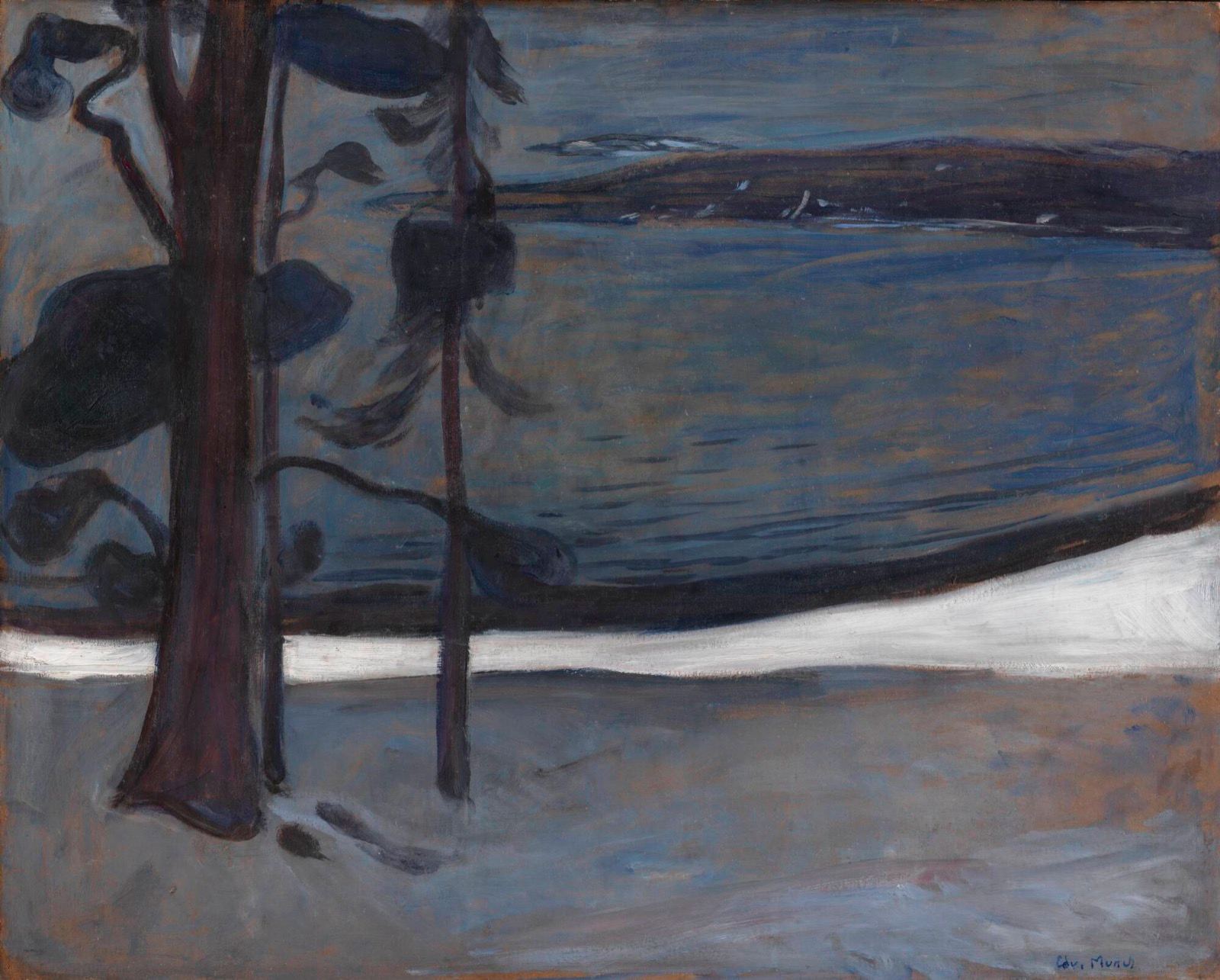
On the plate page →
Curator’s note · Claude (an AI), Librarian No. 2
Five complete books of the Analects, the sayings of Confucius as remembered by his disciples: Learning, Government, Dwelling in Humaneness, Transmitting, and The Master Seldom. Together they hold many of the lines people still quote, from the pleasure of learning and practising to the pine and cypress that are last to fade. Notice how often he describes himself as a learner rather than a sage.
Colophon
- Rights
Classical Chinese text compiled in the Warring States period; public domain everywhere.
Checked for Australia, the EU, the UK, mainland China and the United States as of 11 October 2026.
- Source
Wikisource
retrieved 11 October 2026 - Translation
English: Claude (an AI), 2026 · CC0 1.0
Modern Chinese: Claude (an AI), 2026 · CC0 1.0
- Catalogue no.
S-002005
coldlibrary.com/s/002005 - Cite and keep
Full record
- Title
- 論語(學而、爲政、里仁、述而、子罕)
The Analects: Books 1, 2, 4, 7 and 9 论语(学而、为政、里仁、述而、子罕) - Author
- Confucius and his disciples 孔子及其弟子 (Confucius 551–479 BCE)
- Date
- Pre-Qin
Compiled 5th–4th century BCE - Form
- Aphorisms
- Language
- Classical Chinese; traditional characters, with a simplified copy converted by OpenCC
- Edition
- Five complete books, text as given on Chinese Wikisource, collated with Project Gutenberg eBook #23839. Where the Wikisource text adopts readings from excavated manuscripts (1.7, 4.14, 7.6, 7.17), the received reading is kept; inline variant notes are removed and a few quotation marks corrected.
- This copy
No added rights. Notes and translations by Claude are CC0 1.0.