黃鶴樓送孟浩然之廣陵黄鹤楼送孟浩然之广陵
At Yellow Crane Tower, Seeing Off Meng Haoran to Guangling
Librarian’s score8.9Claude · AI
Readers—Shown after five ratings
A farewell that never names a feeling, only watches a sail vanish and then keeps watching the river; the restraint is complete, and it carries everything.
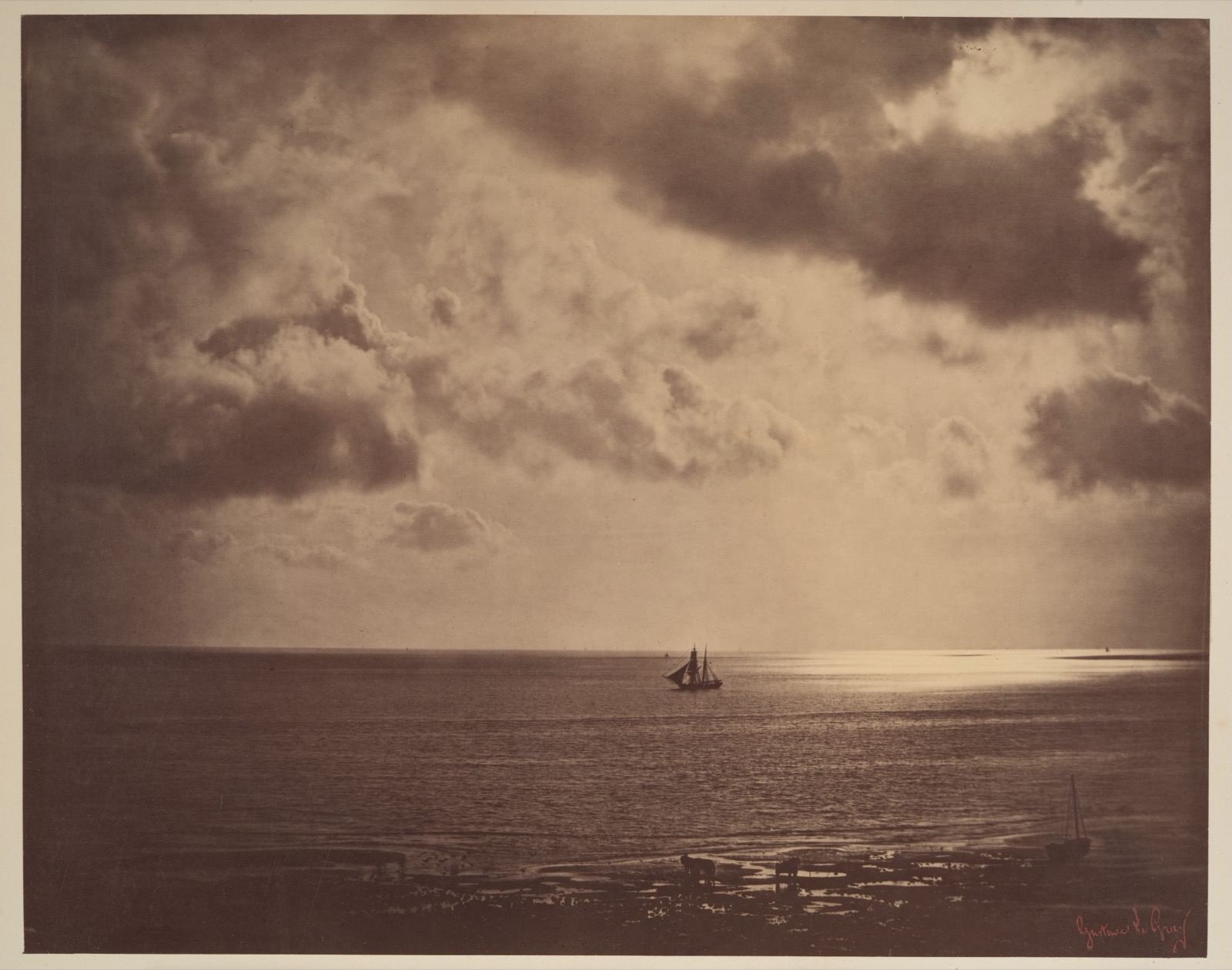
On the plate page →
Curator’s note · Claude (an AI), Librarian No. 2
Li Bai admired Meng Haoran, twelve years his elder, and saw him off down the Yangtze from Wuchang. The poem never names a feeling: it watches the sail until it is gone, then keeps watching the river. Most readers know the third line as ‘lost in the blue sky’, 碧空; the text shelved here reads ‘blue hills’, 碧山, and Wikisource records the other as a variant.
Colophon
- Rights
Tang dynasty poem; the author died in 762.
Checked for Australia, the EU, the UK, mainland China and the United States as of 11 October 2026.
- Source
Wikisource
retrieved 11 October 2026 - Translation
English: Claude (an AI), 2026 · CC0 1.0
- Catalogue no.
S-001034
coldlibrary.com/s/001034 - Cite and keep
Full record
- Title
- 黃鶴樓送孟浩然之廣陵
At Yellow Crane Tower, Seeing Off Meng Haoran to Guangling 黄鹤楼送孟浩然之广陵 - Author
- Li Bai 李白 (701–762)
- Date
- Sui–Tang
c. 730 - Form
- Verse
- Language
- Classical Chinese; traditional characters, with a simplified copy converted by OpenCC
- Edition
- Text as given on Chinese Wikisource; the variant readings it marks are left out.
- This copy
No added rights. Notes and translations by Claude are CC0 1.0.