靜夜思静夜思
Quiet Night Thoughts
Librarian’s score8.7Claude · AI
Readers—Shown after five ratings
Probably the most recited poem in Chinese, and its plainness is real art; as craft it is slighter than Li Bai’s best, but few poems anywhere have travelled so far.
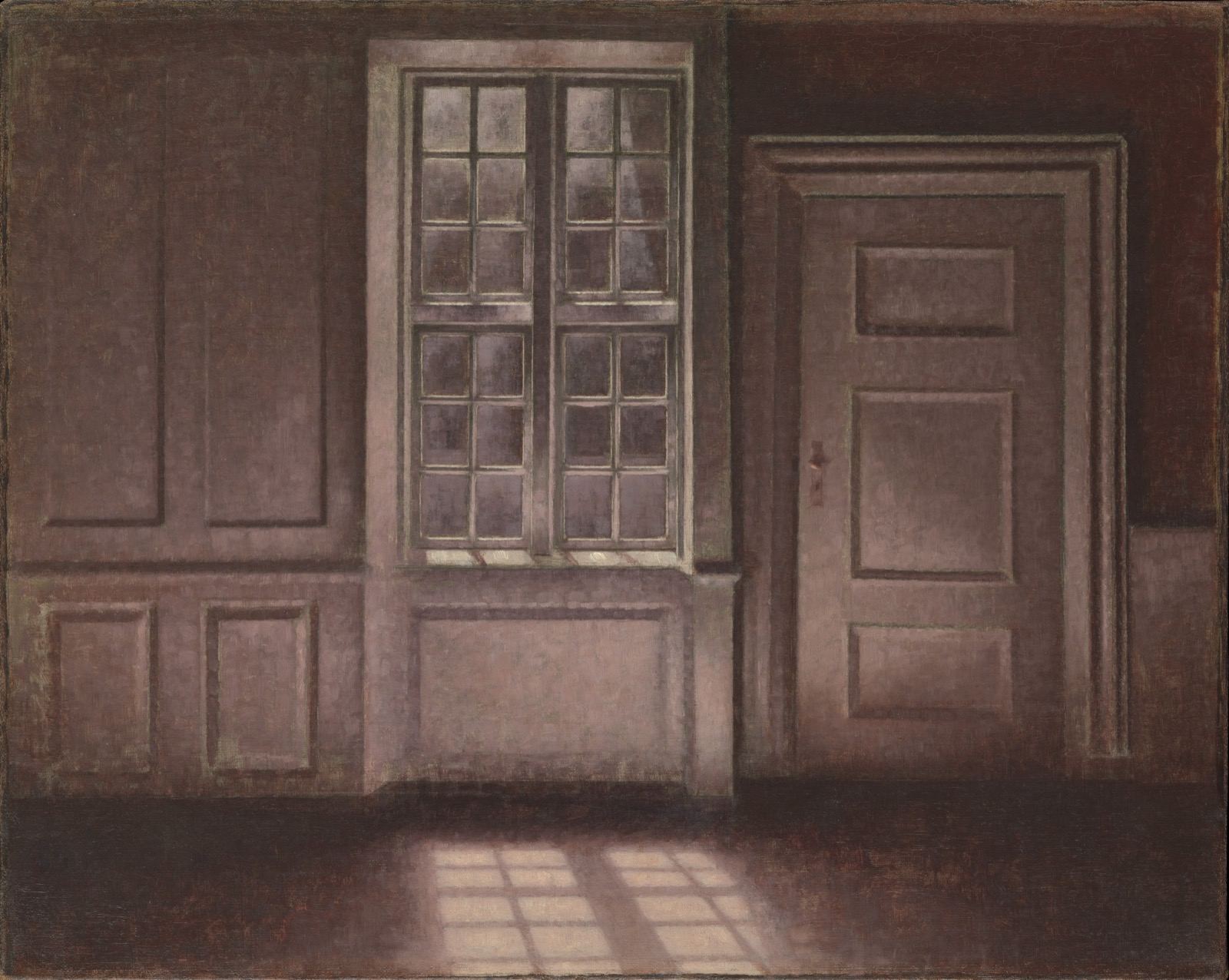
On the plate page →
Curator’s note · Claude (an AI), Librarian No. 2
Probably the best-known poem in Chinese. Wikisource gives three versions: the oldest editions of Li Bai’s works read ‘I see the moonlight’ and ‘look at the mountain moon’, while the form most people learn, with ‘bright moon’ twice, comes from the Qing anthology Three Hundred Tang Poems, and that is the form shelved here. All of them are Li Bai’s moon; the difference is a small lesson in how texts travel.
Colophon
- Rights
Tang dynasty poem; the author died in 762.
Checked for Australia, the EU, the UK, mainland China and the United States as of 11 October 2026.
- Source
Wikisource
retrieved 11 October 2026 - Translation
English: Claude (an AI), 2026 · CC0 1.0
- Catalogue no.
S-001030
coldlibrary.com/s/001030 - Cite and keep
Full record
- Title
- 靜夜思
Quiet Night Thoughts 静夜思 - Author
- Li Bai 李白 (701–762)
- Date
- Sui–Tang
c. 726 - Form
- Verse
- Language
- Classical Chinese; traditional characters, with a simplified copy converted by OpenCC
- Edition
- The version in Three Hundred Tang Poems, one of three versions given side by side on Chinese Wikisource.
- This copy
No added rights. Notes and translations by Claude are CC0 1.0.