The Snow Queen: A Tale in Seven Stories
Librarian’s score9.0Claude · AI
Readers—Shown after five ratings
Andersen’s richest tale: a frozen heart, a girl who will not stop walking, and rescue by tears rather than spells; the 1872 English is dated, the invention is not.
Story the First第一个故事#
Which describes a looking-glass and the broken fragments.
讲的是一面镜子和它的碎片。
You must attend to the commencement of this story, for when we get to the end we shall know more than we do now about a very wicked hobgoblin; he was one of the very worst, for he was a real demon. One day, when he was in a merry mood, he made a looking-glass which had the power of making everything good or beautiful that was reflected in it almost shrink to nothing, while everything that was worthless and bad looked increased in size and worse than ever. The most lovely landscapes appeared like boiled spinach, and the people became hideous, and looked as if they stood on their heads and had no bodies. Their countenances were so distorted that no one could recognise them, and even one freckle on the face appeared to spread over the whole of the nose and mouth. The demon said this was very amusing. When a good or pious thought passed through the mind of any one it was misrepresented in the glass; and then how the demon laughed at his cunning invention. All who went to the demon’s school—for he kept a school—talked everywhere of the wonders they had seen, and declared that people could now, for the first time, see what the world and mankind were really like. They carried the glass about everywhere, till at last there was not a land nor a people who had not been looked at through this distorted mirror. They wanted even to fly with it up to heaven to see the angels, but the higher they flew the more slippery the glass became, and they could scarcely hold it, till at last it slipped from their hands, fell to the earth, and was broken into millions of pieces. But now the looking-glass caused more unhappiness than ever, for some of the fragments were not so large as a grain of sand, and they flew about the world into every country. When one of these tiny atoms flew into a person’s eye, it stuck there unknown to him, and from that moment he saw everything through a distorted medium, or could see only the worst side of what he looked at, for even the smallest fragment retained the same power which had belonged to the whole mirror. Some few persons even got a fragment of the looking-glass in their hearts, and this was very terrible, for their hearts became cold like a lump of ice. A few of the pieces were so large that they could be used as window-panes; it would have been a sad thing to look at our friends through them. Other pieces were made into spectacles; this was dreadful for those who wore them, for they could see nothing either rightly or justly. At all this the wicked demon laughed till his sides shook—it tickled him so to see the mischief he had done. There were still a number of these little fragments of glass floating about in the air, and now you shall hear what happened with one of them.
你们得留心听这个故事的开头,因为等我们讲到结尾的时候,就会比现在更多地知道一个非常坏的妖怪的事;他是最坏的妖怪之一,因为他是一个真正的魔鬼。有一天,他心情很好,做了一面镜子。这面镜子有一种魔力:一切善良的、美丽的东西照在里面,几乎都缩得什么也不剩;而一切无用的、丑恶的东西,在里面却显得更大,比原来还要糟。最可爱的风景照在里面,就像一锅煮烂的菠菜;人们变得丑陋可怕,看上去好像头朝下倒立着,没有身体。他们的面孔扭曲得谁也认不出来,脸上哪怕只有一颗雀斑,也好像蔓延开来,盖满了整个鼻子和嘴。魔鬼说这真是有趣极了。如果谁的心里闪过一个善良或虔诚的念头,镜子就把它歪曲;于是魔鬼对他这巧妙的发明哈哈大笑。所有进过魔鬼学校的人——因为他办了一所学校——到处宣扬他们见到的奇迹,说人们现在第一次能看清世界和人类真正是什么样子了。他们带着这面镜子到处跑,最后,没有一个国家、没有一个民族不曾被这面歪曲的镜子照过。他们甚至想带着它飞上天去,看看天使们;可是他们飞得越高,镜子就变得越滑,他们几乎拿不住它,最后它终于从他们手里滑落,掉到地上,摔成了千百万块碎片。可是这一来,这面镜子造成的不幸比以前更多了,因为有些碎片还没有一粒沙子大,它们在世界上到处飞,飞进每一个国家。这些小小的碎屑一旦飞进人的眼睛,就粘在那里,他自己却不知道;从那一刻起,他看什么都是歪曲的,或者只能看见他所看的东西最坏的一面,因为即使是最小的一块碎片,也保留着整面镜子原有的那种魔力。有少数人的心里甚至也钻进了一块镜子碎片,这是非常可怕的,因为他们的心变得像一块冰那样冷。有几块碎片很大,可以拿来做窗玻璃;透过这样的窗玻璃去看我们的朋友,那可真是一件伤心的事。另外一些碎片被做成了眼镜;这对戴眼镜的人来说可就糟透了,因为他们什么也看不正确,什么也看不公正。看到这一切,那个坏魔鬼笑得前仰后合——看到自己闯下的祸,他心里痒得要命。空中还飘着许多这样的小玻璃碎片,现在你们就要听到其中一块碎片引出的事了。
Second Story第二个故事#
A Little Boy and a Little Girl.
一个小男孩和一个小女孩。
In a large town, full of houses and people, there is not room for everybody to have even a little garden, therefore they are obliged to be satisfied with a few flowers in flower-pots. In one of these large towns lived two poor children who had a garden something larger and better than a few flower-pots. They were not brother and sister, but they loved each other almost as much as if they had been. Their parents lived opposite to each other in two garrets, where the roofs of neighbouring houses projected out towards each other, and the water-pipe ran between them. In each house was a little window, so that any one could step across the gutter from one window to the other. The parents of these children had each a large wooden box in which they cultivated kitchen herbs for their own use, and a little rose-bush in each box, which grew splendidly. Now after a while the parents decided to place these two boxes across the water-pipe, so that they reached from one window to the other and looked like two banks of flowers. Sweet peas dropped over the boxes, and the rose-bushes shot forth long branches, which were trained round the windows and clustered together almost like a triumphal arch of leaves and flowers. The boxes were very high, and the children knew they must not climb upon them without permission, but they were often, however, allowed to step out together and sit upon their little stools under the rose-bushes, or play quietly. In winter all this pleasure came to an end, for the windows were sometimes quite frozen over. But then they would warm copper pennies on the stove, and hold the warm pennies against the frozen pane; there would be very soon a little round hole through which they could peep, and the soft bright eyes of the little boy and girl would beam through the hole at each window as they looked at each other. Their names were Kay and Gerda. In summer they could be together with one jump from the window, but in winter they had to go up and down the long staircase and out through the snow before they could meet.
在一座大城市里,房子和人都很多,没有足够的地方让每个人都有一个小花园,所以大家只好满足于在花盆里种几朵花。在这样一座大城市里,住着两个穷人家的孩子,他们有一个比几只花盆稍大一些、也好一些的花园。他们不是兄妹,可是他们彼此相爱,几乎就像亲兄妹一样。他们的父母住在两间相对的顶楼里;那里,两座相邻房子的屋顶向彼此伸出,中间有一道排水槽。每座房子都有一扇小窗,所以谁都可以跨过排水槽,从一扇窗走到另一扇窗。这两个孩子的父母各有一只大木箱,里面种着自家吃的蔬菜香草,每只箱子里还有一株小玫瑰,长得非常茂盛。过了一阵子,父母们决定把这两只箱子横放在排水槽上,这样箱子就从一扇窗伸到另一扇窗,看上去就像两道花坛。香豌豆从箱子上垂下来,玫瑰抽出长长的枝条,绕着窗子攀缘,缠在一起,几乎就像一座用叶子和花朵搭成的凯旋门。箱子很高,孩子们知道,没有大人允许,他们不能爬上去;不过他们常常得到允许,一起走出窗外,坐在玫瑰花下的小凳子上,或者安安静静地玩耍。到了冬天,这种快乐就结束了,因为窗子常常整个冻上了。可是那时他们就把铜板放在炉子上烤热,再把热铜板贴在结冰的窗玻璃上;很快就会出现一个圆圆的小洞,他们可以从洞里往外看,两扇窗后的小洞里,各闪着小男孩和小女孩那温柔明亮的眼睛,他们就这样互相望着。他们的名字叫加伊和格尔达。夏天,他们只要从窗口一跳就能在一起;可是到了冬天,他们得在长长的楼梯上走下去又走上来,还要穿过外面的雪地,才能见面。
“See there are the white bees swarming,” said Kay’s old grandmother one day when it was snowing.
“看哪,白蜜蜂在成群地飞呢,”有一天下雪的时候,加伊的老祖母说。
“Have they a queen bee?” asked the little boy, for he knew that the real bees always had a queen.
“它们也有蜂王吗?”小男孩问,因为他知道真的蜜蜂总有一个蜂王。
“To be sure they have,” said the grandmother. “She is flying there where the swarm is thickest. She is the largest of them all, and never remains on the earth, but flies up to the dark clouds. Often at midnight she flies through the streets of the town, and looks in at the windows, then the ice freezes on the panes into wonderful shapes, that look like flowers and castles.”
“当然有,”祖母说。“蜂群最密的地方,她就在那里飞。她是它们当中最大的一个,从来不在地上停留,总是飞回黑沉沉的云里去。她常常在半夜里飞过城里的街道,往窗户里张望,于是窗玻璃上就结出奇妙的冰花,看上去像花朵,又像城堡。”
“Yes, I have seen them,” said both the children, and they knew it must be true.
“是的,我们见过,”两个孩子都说,他们知道这一定是真的。
“Can the Snow Queen come in here?” asked the little girl.
“冰雪女王能到这里面来吗?”小女孩问。
“Only let her come,” said the boy, “I’ll set her on the stove and then she’ll melt.”
“让她来好了,”男孩说,“我把她放在火炉上,她就化掉了。”
Then the grandmother smoothed his hair and told him some more tales. One evening, when little Kay was at home, half undressed, he climbed on a chair by the window and peeped out through the little hole. A few flakes of snow were falling, and one of them, rather larger than the rest, alighted on the edge of one of the flower-boxes. This snow-flake grew larger and larger till at last it became the figure of a woman, dressed in garments of white gauze, which looked like millions of starry snow-flakes linked together. She was fair and beautiful, but made of ice—shining and glittering ice. Still she was alive and her eyes sparkled like bright stars, but there was neither peace nor rest in their glance. She nodded towards the window, and waved her hand. The little boy was frightened and sprang from the chair; at the same moment it seemed as if a large bird flew by the window. On the following day there was a clear frost, and very soon came the spring. The sun shone; the young green leaves burst forth; the swallows built their nests; windows were opened, and the children sat once more in the garden on the roof, high above all the other rooms. How beautifully the roses blossomed this summer. The little girl had learnt a hymn in which roses were spoken of, and then she thought of their own roses, and she sang the hymn to the little boy, and he sang to:—
于是祖母摸摸他的头发,又给他们讲了些别的故事。一天晚上,小加伊在家里,衣服脱了一半,他爬上窗边的一把椅子,从那个小洞往外看。几片雪花正在飘落,其中一片比别的都大一些,落在一只花箱的边上。这片雪花越长越大,最后变成了一个女人的模样,她穿着白纱衣裳,那白纱看上去像是由千百万片星星似的雪花连缀而成的。她白皙而美丽,却是冰做的——闪闪发光、晶莹耀眼的冰。可她是活的,她的眼睛像明亮的星星一样闪烁,但那目光里既没有平静,也没有安宁。她朝窗子点点头,招了招手。小男孩吓了一跳,从椅子上跳下来;就在这时,好像有一只大鸟从窗外飞过。第二天是个晴朗的霜冻天,不久春天就来了。太阳照耀着;嫩绿的叶子冒了出来;燕子筑起了巢;窗子打开了,孩子们又坐在屋顶上的花园里,高高地在所有房间之上。这年夏天,玫瑰开得多么美啊。小女孩学会了一首赞美诗,诗里讲到了玫瑰,于是她想起了他们自己的玫瑰,她把这首赞美诗唱给小男孩听,他也跟着唱:——
“Roses bloom and cease to be, But we shall the Christ-child see.”
“玫瑰开了又谢,但我们将看见圣婴。”
Then the little ones held each other by the hand, and kissed the roses, and looked at the bright sunshine, and spoke to it as if the Christ-child were there. Those were splendid summer days. How beautiful and fresh it was out among the rose-bushes, which seemed as if they would never leave off blooming. One day Kay and Gerda sat looking at a book full of pictures of animals and birds, and then just as the clock in the church tower struck twelve, Kay said, “Oh! something has struck my heart!” and soon after, “There is something in my eye.”
于是两个小家伙手拉着手,亲吻着玫瑰,望着明亮的阳光,对它说话,仿佛圣婴就在那里。那是多么美好的夏日啊。在外面玫瑰丛中,多么美丽、多么清新,那些玫瑰好像永远不会停止开放。有一天,加伊和格尔达坐在那里看一本画满了动物和鸟儿的图画书,就在教堂钟楼上的钟敲响十二下的时候,加伊说:“哎哟!有什么东西扎了我的心一下!”过了一会儿又说:“有什么东西进了我的眼睛。”
The little girl put her arm round his neck, and looked into his eye, but she could see nothing.
小女孩搂住他的脖子,往他眼睛里看,可是什么也看不见。
“I think it is gone,” he said. But it was not gone; it was one of those bits of the looking-glass—that magic mirror, of which we have spoken—the ugly glass which made everything great and good appear small and ugly, while all that was wicked and bad became more visible, and every little fault could be plainly seen. Poor little Kay had also received a small grain in his heart, which quickly turned to a lump of ice. He felt no more pain, but the glass was there still. “Why do you cry?” said he at last; “it makes you look ugly. There is nothing the matter with me now. Oh! see,” he cried suddenly, “that rose is worm-eaten, and this one is quite crooked. After all, they are ugly roses, just like the box in which they stand.” And then he kicked the boxes with his foot, and pulled off the two roses.
“我想它已经出来了,”他说。可是它并没有出来;那正是那面镜子的一块碎片——我们讲过的那面魔镜——那面丑恶的镜子,它使一切伟大和美好的东西显得渺小而丑陋,而一切邪恶和坏的东西却更加显眼,每一个小小的缺点都能看得清清楚楚。可怜的小加伊心里也钻进了一小粒,那一小粒很快就变成了一块冰。他不再觉得疼了,可是玻璃还在那里。“你哭什么?”他终于说,“哭得真难看。我现在什么事也没有了。哎,瞧,”他突然叫起来,“那朵玫瑰被虫咬了,这一朵完全长歪了。说到底,这些都是难看的玫瑰,跟种它们的箱子一样。”说着他就用脚踢箱子,把那两朵玫瑰扯了下来。
“Kay, what are you doing?” cried the little girl; and then, when he saw how frightened she was, he tore off another rose, and jumped through his own window away from sweet little Gerda.
“加伊,你在干什么呀?”小女孩喊道;他看见她吓成那个样子,又扯下一朵玫瑰,从自己的窗口跳进去,离开了可爱的小格尔达。
When she afterwards brought out the picture book, he said, “It was only fit for babies in long clothes,” and when grandmother told any stories, he would interrupt her with “but;” or, when he could manage it, he would get behind her chair, put on a pair of spectacles, and imitate her very cleverly, to make people laugh. By-and-by he began to mimic the speech and gait of persons in the street. All that was peculiar or disagreeable in a person he would imitate directly, and people said, “That boy will be very clever; he has a remarkable genius.” But it was the piece of glass in his eye, and the coldness in his heart, that made him act like this. He would even tease little Gerda, who loved him with all her heart. His games, too, were quite different; they were not so childish. One winter’s day, when it snowed, he brought out a burning-glass, then he held out the tail of his blue coat, and let the snow-flakes fall upon it. “Look in this glass, Gerda,” said he; and she saw how every flake of snow was magnified, and looked like a beautiful flower or a glittering star. “Is it not clever?” said Kay, “and much more interesting than looking at real flowers. There is not a single fault in it, and the snow-flakes are quite perfect till they begin to melt.”
后来,她再拿出那本图画书时,他说:“这只配给还裹在襁褓里的娃娃看。”祖母讲故事的时候,他总是用一句“可是”去打断她;或者,只要有机会,他就躲到她的椅子后面,戴上一副眼镜,学她的样子,学得惟妙惟肖,逗人发笑。渐渐地,他开始模仿街上行人说话和走路的样子。一个人身上凡是古怪的、讨厌的地方,他都能马上学出来;人们说:“这孩子将来一定很聪明;他有了不起的天分。”可是,使他这样做的,是他眼睛里的那块玻璃,是他心里的那股寒冷。他甚至捉弄小格尔达,而她是全心全意爱着他的。他的游戏也完全不同了;不再那么孩子气了。一个冬日,下着雪,他拿出一面凸透镜,然后撩起他那件蓝外套的下摆,让雪花落在上面。“从这块镜子里看吧,格尔达,”他说;她看见每一片雪花都被放大了,看上去像一朵美丽的花,或者一颗闪闪发光的星星。“这不是很妙吗?”加伊说,“比看真的花有趣多了。这里面没有一点毛病,雪花在融化以前都是十全十美的。”
Soon after, Kay made his appearance in large thick gloves, and with his sledge at his back. He called upstairs to Gerda, “I’ve got leave to go into the great square, where the other boys play and ride.” And away he went.
不久以后,加伊戴着一副又大又厚的手套出现了,背上背着他的雪橇。他朝楼上的格尔达喊道:“我得到允许,可以到大广场上去了,别的男孩子都在那里玩,在那里滑雪橇。”说着他就走了。
In the great square, the boldest among the boys would often tie their sledges to country people’s carts, and go with them a good way. This was capital. But while they were all amusing themselves, and Kay with them, a great sledge came by; it was painted white, and in it sat some one wrapped in a rough white fur, and wearing a white cap. The sledge drove twice round the square, and Kay fastened his own little sledge to it, so that when it went away, he followed with it. It went faster and faster right through the next street, and then the person who drove turned round and nodded pleasantly to Kay, just as if they were acquainted with each other, but whenever Kay wished to loosen his little sledge the driver nodded again, so Kay sat still, and they drove out through the town gate. Then the snow began to fall so heavily that the little boy could not see a hand’s breadth before him, but still they drove on; then he suddenly loosened the cord so that the large sledge might go on without him, but it was of no use, his little carriage held fast, and away they went like the wind. Then he called out loudly, but nobody heard him, while the snow beat upon him, and the sledge flew onwards. Every now and then it gave a jump as if they were going over hedges and ditches. The boy was frightened, and tried to say a prayer, but he could remember nothing but the multiplication table.
在大广场上,男孩子们当中最大胆的,常常把自己的雪橇拴在乡下人的马车后面,跟着它跑上好一段路。这真是好玩极了。可是正当大家都玩得高兴,加伊也在其中的时候,过来了一架大雪橇;它漆成白色,里面坐着一个人,裹着一件粗糙的白毛皮,戴着一顶白帽子。这架雪橇绕着广场转了两圈,加伊就把自己的小雪橇拴在它后面,所以它走开的时候,他也跟着走了。它越走越快,一直穿过下一条街;这时,赶雪橇的人转过身来,亲切地朝加伊点点头,就好像他们早就认识似的;可是每当加伊想解开他的小雪橇,那个人就又朝他点点头,于是加伊只好坐着不动;他们就这样驶出了城门。这时雪下得那么大,小男孩连眼前一手宽的地方都看不清了,可他们还是一直往前赶;后来他突然解开了绳子,想让那架大雪橇自己走掉,可是没有用,他的小车牢牢地挂在上面,他们像风一样飞驰而去。于是他大声喊叫,可是谁也听不见,雪不住地打在他身上,雪橇向前飞奔。它时不时地一跳,好像他们正越过篱笆和沟渠。男孩吓坏了,想念一段祷文,可是他什么也想不起来,只记得乘法表。
The snow-flakes became larger and larger till they appeared like great white chickens. All at once they sprang on one side, the great sledge stopped, and the person who had driven it rose up. The fur and the cap, which were made entirely of snow, fell off, and he saw a lady, tall and white: it was the Snow Queen.
雪花越来越大,最后看上去像一只只大白鸡。忽然,它们向两旁一闪,大雪橇停了下来,赶雪橇的人站了起来。那件毛皮和那顶帽子完全是用雪做的,这时都落了下来,他看见了一位高高的、白白的夫人:那就是冰雪女王。
“We have driven well,” said she, “but why do you tremble? Here, creep into my warm fur.” Then she seated him beside her in the sledge, and as she wrapped the fur round him he felt as if he was sinking into a snow-drift.
“我们赶得真好,”她说,“可是你为什么发抖呢?来,钻进我暖和的毛皮里来吧。”于是她让他坐在雪橇里她的身边,用毛皮把他裹起来,他觉得自己好像陷进了一个雪堆里。
“Are you still cold?” she asked, as she kissed him on the forehead. The kiss was colder than ice; it went quite through to his heart, which was already almost a lump of ice; he felt as if he were going to die, but only for a moment; he soon seemed quite well again, and did not notice the cold all around him.
“你还冷吗?”她问,一边亲了亲他的额头。这个吻比冰还冷;它一直透进了他的心里,而他的心几乎已经是一块冰了;他觉得自己快要死了,不过只是一刹那;很快他就觉得完全好了,再也感觉不到周围的寒冷。
“My sledge! don’t forget my sledge,” was his first thought, and then he looked and saw that it was bound fast to one of the white chickens, which flew behind him with the sledge at its back. The Snow Queen kissed little Kay again, and by this time he had forgotten little Gerda, his grandmother, and all at home.
“我的雪橇!别忘了我的雪橇,”这是他想到的第一件事;他一看,发现它被牢牢地拴在一只白鸡身上,那只白鸡背着雪橇,在他后面飞。冰雪女王又亲了小加伊一下,这时他已经忘记了小格尔达,忘记了他的祖母,忘记了家里所有的人。
“Now you must have no more kisses,” she said, “or I should kiss you to death.”
“现在你不能再得到吻了,”她说,“不然我会把你吻死的。”
Kay looked at her, and saw that she was so beautiful, he could not imagine a more intelligent and lovely face; she did not now seem to be made of ice, as when he had seen her through his window, and she had nodded to him. In his eyes she was perfect, and he did not feel at all afraid. He told her he could do mental arithmetic, as far as fractions, and that he knew the number of square miles and the number of inhabitants in the country. And she always smiled so that he thought he did not know enough yet, and looked round the vast expanse as she flew higher and higher with him upon a black cloud, while the storm blew and howled as if it were singing old songs. They flew over woods and lakes, over sea and land; below them roared the wild wind; the wolves howled and the snow crackled; over them flew the black screaming crows, and above all shone the moon, clear and bright; and so Kay passed through the long winter’s night, and by day he slept at the feet of the Snow Queen.
加伊望着她,觉得她那么美,他想象不出还有比这更聪明、更可爱的面孔;她现在看上去不像是冰做的了,不像他隔着窗子看见她、她朝他点头的时候那样。在他眼里,她是十全十美的,他一点也不害怕。他告诉她,他会心算,连分数都会,还知道这个国家有多少平方英里、有多少居民。她总是微笑着,于是他觉得自己懂得的还不够多;他环顾那无边无际的天空,她带着他坐在一朵乌云上越飞越高,暴风雪呼啸着、怒吼着,好像在唱古老的歌。他们飞过森林和湖泊,飞过海洋和陆地;在他们下面,狂风怒吼;狼在嚎叫,雪在嘎吱作响;在他们上面,黑色的乌鸦尖叫着飞过;而在这一切之上,月亮明亮而皎洁地照着;加伊就这样度过了漫长的冬夜,白天,他就在冰雪女王的脚边睡觉。
Third Story第三个故事#
The Flower Garden of the Woman Who Could Conjure.
会施魔法的女人的花园。
But how fared little Gerda during Kay’s absence? What had become of him, no one knew, nor could any one give the slightest information, excepting the boys, who said that he had tied his sledge to another very large one, which had driven through the street, and out at the town gate. Nobody knew where it went; many tears were shed for him, and little Gerda wept bitterly for a long time. She said she knew he must be dead, that he was drowned in the river which flowed close by the school. Oh, indeed, those long winter days were very dreary. But at last spring came, with warm sunshine. “Kay is dead and gone,” said little Gerda.
可是,加伊不在的时候,小格尔达过得怎么样呢?他到底怎么样了,谁也不知道,谁也说不出一点消息,只有那些男孩子说,他把自己的雪橇拴在另一架很大的雪橇上,那架雪橇穿过街道,驶出了城门。谁也不知道它去了哪里;人们为他流了许多眼泪,小格尔达伤心地哭了很久。她说,她知道他一定死了,是淹死在学校旁边流过的那条河里了。哦,那些漫长的冬日真是凄凉啊。可是春天终于来了,带来了温暖的阳光。“加伊死了,不在了,”小格尔达说。
“I don’t believe it,” said the sunshine.
“我不相信,”阳光说。
“He is dead and gone,” she said to the sparrows.
“他死了,不在了,”她对麻雀们说。
“We don’t believe it,” they replied; and at last little Gerda began to doubt it herself. “I will put on my new red shoes,” she said one morning, “those that Kay has never seen, and then I will go down to the river, and ask for him.” It was quite early when she kissed her old grandmother, who was still asleep; then she put on her red shoes, and went quietly alone out of the town gates towards the river. “Is it true that you have taken my little playmate away from me?” she said to the river. “I will give you my red shoes if you will give him back to me.” And it seemed as if the waves nodded to her in a strange manner. Then she took off her red shoes, which she liked better than anything else, and threw them both into the river, but they fell near the bank, and the little waves carried them back to land, just as if the river would not take from her what she loved best, because they could not give her back little Kay. But she thought the shoes had not been thrown out far enough. Then she crept into a boat that lay among the reeds, and threw the shoes again from the farther end of the boat into the water, but it was not fastened, and her movement sent it gliding away from the land. When she saw this, she hastened to reach the end of the boat, but before she could do so, it was more than a yard from the bank, and drifting away faster than ever. Then little Gerda was very much frightened, and began to cry, but no one heard her except the sparrows, and they could not carry her to land, but they flew along by the shore, and sang, as if to comfort her, “Here we are! Here we are!” The boat floated with the stream; little Gerda sat quite still with only her stockings on her feet; the red shoes floated after her, but she could not reach them because the boat kept so much in advance. The banks on each side of the river were very pretty. There were beautiful flowers, old trees, sloping fields, in which cows and sheep were grazing, but not a man to be seen. Perhaps the river will carry me to little Kay, thought Gerda, and then she became more cheerful, and raised her head, and looked at the beautiful green banks; and so the boat sailed on for hours. At length she came to a large cherry orchard, in which stood a small house with strange red and blue windows. It had also a thatched roof, and outside, were two wooden soldiers, that presented arms to her as she sailed past. Gerda called out to them, for she thought they were alive, but of course they did not answer; and as the boat drifted nearer to the shore, she saw what they really were. Then Gerda called still louder, and there came a very old woman out of the house, leaning on a crutch. She wore a large hat to shade her from the sun, and on it were painted all sorts of pretty flowers. “You poor little child,” said the old woman, “how did you manage to come all this distance into the wide world on such a rapid rolling stream?” And then the old woman walked into the water, seized the boat with her crutch, drew it to land, and lifted little Gerda out. And Gerda was glad to feel herself again on dry ground, although she was rather afraid of the strange old woman. “Come and tell me who you are,” said she, “and how you came here.”
“我们不相信,”它们回答;最后,小格尔达自己也开始怀疑了。“我要穿上我的新红鞋,”一天早晨她说,“就是加伊从来没见过的那双,然后我到河边去,向河打听他。”天还很早,她亲了亲还在熟睡的老祖母;然后她穿上她的红鞋,独自悄悄地走出城门,朝河边走去。“你真的把我的小伙伴从我身边带走了吗?”她对河说。“要是你肯把他还给我,我就把我的红鞋送给你。”河里的波浪好像奇怪地朝她点了点头。于是她脱下她的红鞋——那是她最喜爱的东西——把两只鞋都扔进河里,可是鞋落在了岸边,小小的波浪又把它们送回了岸上,就好像河不愿意拿走她最心爱的东西,因为它们没法把小加伊还给她。可是她以为是鞋扔得不够远。于是她爬上一条停在芦苇丛中的小船,从船的另一头把鞋又扔进水里;可是船没有拴住,她一动,船就从岸边滑开了。她看见了,赶紧想跑回船的那一头,可是还没等她跑到,船已经离岸一码多远,而且漂得越来越快了。这下小格尔达非常害怕,哭了起来,可是除了麻雀,谁也听不见她,麻雀们又没法把她送上岸,只好沿着河岸飞,一边唱着,好像在安慰她:“我们在这儿呢!我们在这儿呢!”小船顺着河水漂流;小格尔达一动不动地坐着,脚上只穿着袜子;红鞋在她后面漂着,可是她够不着它们,因为船总是漂在它们前面很远。河两岸的景色非常美。有美丽的花,古老的树,倾斜的田野,田野里有牛羊在吃草,可是一个人也看不见。也许这条河会把我带到小加伊那里去,格尔达想;于是她高兴起来,抬起头,望着美丽的绿色河岸;小船就这样一连航行了好几个钟头。最后,她来到一座大樱桃园,园子里有一座小房子,装着奇怪的红色和蓝色的窗子。房子还有一个茅草屋顶,门外站着两个木头士兵,她驶过的时候,他们向她举枪致敬。格尔达朝他们喊叫,因为她以为他们是活的,可是他们当然没有回答;船漂得离岸更近了,她才看清他们到底是什么。于是格尔达喊得更响了,房子里走出一个很老很老的老太婆,拄着一根拐杖。她戴着一顶遮太阳的大帽子,帽子上画着各种各样好看的花。“你这可怜的小孩子,”老太婆说,“你怎么在这样一条奔流的急水上,漂了这么远,漂到这广阔的世界里来了呢?”说着老太婆走进水里,用她的拐杖钩住小船,把它拉上岸,把小格尔达抱了出来。格尔达又踩在干地上,心里很高兴,虽然她有点怕这个陌生的老太婆。“来,告诉我你是谁,”她说,“你是怎么到这里来的。”
Then Gerda told her everything, while the old woman shook her head, and said, “‘Hem-hem;” and when she had finished, Gerda asked if she had not seen little Kay, and the old woman told her he had not passed by that way, but he very likely would come. So she told Gerda not to be sorrowful, but to taste the cherries and look at the flowers; they were better than any picture-book, for each of them could tell a story. Then she took Gerda by the hand, and led her into the little house, and the old woman closed the door. The windows were very high, and as the panes were red, blue, and yellow, the daylight shone through them in all sorts of singular colours. On the table stood some beautiful cherries, and Gerda had permission to eat as many as she would. While she was eating them, the old woman combed out her long flaxen ringlets with a golden comb, and the glossy curls hung down on each side of the little round pleasant face, which looked fresh and blooming as a rose. “I have long been wishing for a dear little maiden like you,” said the old woman, “and now you must stay with me and see how happily we shall live together.” And while she went on combing little Gerda’s hair, she thought less and less about her adopted brother Kay, for the old woman could conjure, although she was not a wicked witch; she conjured only a little for her own amusement, and now, because she wanted to keep Gerda. Therefore she went into the garden, and stretched out her crutch towards all the rose-trees, beautiful though they were, and they immediately sunk into the dark earth, so that no one could tell where they had once stood. The old woman was afraid that if little Gerda saw roses, she would think of those at home, and then remember little Kay, and run away. Then she took Gerda into the flower-garden. How fragrant and beautiful it was! Every flower that could be thought of for every season of the year was here in full bloom; no picture-book could have more beautiful colours. Gerda jumped for joy, and played till the sun went down behind the tall cherry-trees; then she slept in an elegant bed with red silk pillows, embroidered with coloured violets; and then she dreamed as pleasantly as a queen on her wedding-day. The next day, and for many days after, Gerda played with the flowers in the warm sunshine. She knew every flower, and yet, although there were so many of them, it seemed as if one were missing, but which it was she could not tell. One day, however, as she sat looking at the old woman’s hat with the painted flowers on it, she saw that the prettiest of them all was a rose. The old woman had forgotten to take it from her hat when she made all the roses sink into the earth. But it is difficult to keep the thoughts together in everything; one little mistake upsets all our arrangements.
于是格尔达把一切都告诉了她,老太婆一边听一边摇头,说:“嗯,嗯”;等她讲完了,格尔达问她有没有见过小加伊,老太婆告诉她,他没有从这里经过,不过他很可能会来的。于是她叫格尔达不要难过,尝尝樱桃,看看花;这些花比任何图画书都好,因为每一朵都能讲一个故事。然后她拉着格尔达的手,把她领进小房子,老太婆把门关上了。窗子很高,窗玻璃是红的、蓝的和黄的,日光透过它们照进来,呈现出各种奇异的颜色。桌上摆着一些漂亮的樱桃,格尔达得到允许,想吃多少就吃多少。她吃樱桃的时候,老太婆用一把金梳子梳理她那长长的亚麻色卷发,光亮的卷发垂在那张圆圆的、讨人喜欢的小脸两边,那张小脸像玫瑰一样鲜嫩红润。“我早就盼着有一个像你这样可爱的小姑娘了,”老太婆说,“现在你就留下来跟我住吧,你会看到我们在一起过得多么快活。”她一边给小格尔达梳头,格尔达就一边越来越少地想起她那位认来的哥哥加伊,因为这老太婆会施魔法,虽然她不是一个坏女巫;她施魔法只是为了自己消遣,而这一次,是因为她想留住格尔达。所以她走进花园,把拐杖朝所有的玫瑰树伸过去,那些玫瑰虽然开得那样美,却立刻沉进了黑色的泥土里,谁也看不出它们原来长在哪里。老太婆怕小格尔达看见玫瑰,就会想起家里的玫瑰,然后想起小加伊,就会跑掉。然后她带格尔达到花园里去。那里多么芬芳,多么美丽啊!一年四季里能想得到的每一种花,这里都盛开着;没有一本图画书能有比这更美的颜色。格尔达高兴得跳起来,一直玩到太阳落到高高的樱桃树后面;然后她睡在一张精致的床上,枕着红绸枕头,枕头上绣着彩色的紫罗兰;她做的梦,美得就像一位女王在她结婚那天做的梦。第二天,以及以后的许多天,格尔达都在温暖的阳光里跟花儿们玩。她认得每一种花,可是,虽然花这么多,她总觉得好像缺了一种,可究竟缺的是哪一种,她又说不上来。可是有一天,她坐在那里,看着老太婆那顶画着花的帽子,发现上面最好看的一朵正是玫瑰。老太婆让所有的玫瑰都沉到地下去的时候,忘了把它从帽子上去掉。可是,要事事都想得周全是很难的;一个小小的疏忽,就会把我们所有的安排都打乱。
“What, are there no roses here?” cried Gerda; and she ran out into the garden, and examined all the beds, and searched and searched. There was not one to be found. Then she sat down and wept, and her tears fell just on the place where one of the rose-trees had sunk down. The warm tears moistened the earth, and the rose-tree sprouted up at once, as blooming as when it had sunk; and Gerda embraced it, and kissed the roses, and thought of the beautiful roses at home, and, with them, of little Kay.
“怎么,这里没有玫瑰吗?”格尔达叫道;她跑进花园,把所有的花坛都察看了一遍,找了又找。一朵也找不到。于是她坐下来哭了,她的眼泪恰好落在一株玫瑰树沉下去的地方。温暖的泪水润湿了泥土,那株玫瑰树立刻冒了出来,开得和沉下去的时候一样茂盛;格尔达抱住它,亲吻着玫瑰,想起了家里那些美丽的玫瑰,也随着想起了小加伊。
“Oh, how I have been detained!” said the little maiden. “I wanted to seek for little Kay. Do you know where he is?” she asked the roses; “do you think he is dead?”
“哦,我耽搁了多久啊!”小姑娘说。“我本来是要去找小加伊的。你们知道他在哪里吗?”她问玫瑰;“你们看他是不是死了?”
And the roses answered, “No, he is not dead. We have been in the ground where all the dead lie; but Kay is not there.”
玫瑰回答说:“不,他没有死。我们到过地底下,所有死去的人都躺在那里;可是加伊不在那里。”
“Thank you,” said little Gerda, and then she went to the other flowers, and looked into their little cups, and asked, “Do you know where little Kay is?” But each flower, as it stood in the sunshine, dreamed only of its own little fairy tale or history. Not one knew anything of Kay. Gerda heard many stories from the flowers, as she asked them one after another about him.
“谢谢你们,”小格尔达说;然后她走到别的花那里,往它们的小花杯里看,问道:“你们知道小加伊在哪里吗?”可是每一朵花都站在阳光里,只梦着它自己的小童话或小故事。没有一朵知道加伊的事。格尔达一朵接一朵地向花儿们打听他,听到了花儿们讲的许多故事。
And what said the tiger-lily? “Hark, do you hear the drum?—‘tum, tum,’—there are only two notes always, ‘tum, tum.’ Listen to the women’s song of mourning! Hear the cry of the priest! In her long red robe stands the Hindoo widow by the funeral pile. The flames rise around her as she places herself on the dead body of her husband; but the Hindoo woman is thinking of the living one in that circle; of him, her son, who lighted those flames. Those shining eyes trouble her heart more painfully than the flames which will soon consume her body to ashes. Can the fire of the heart be extinguished in the flames of a funeral pile?”
卷丹讲了什么呢?“听啊,你听见鼓声了吗?——‘咚,咚’——永远只有两个音,‘咚,咚’。听那些女人的哀歌!听那祭司的呼喊!那个印度寡妇穿着长长的红袍,站在火葬堆旁。她躺到她丈夫的尸体上,火焰在她周围升起;可是这个印度女人心里想着的,却是围在那里的人中活着的一个;是他,她的儿子,点燃了这些火焰。那双闪亮的眼睛,比那很快就要把她的身体烧成灰烬的火焰,更痛苦地刺着她的心。心里的火,能在火葬堆的火焰里熄灭吗?”
“I don’t understand that at all,” said little Gerda.
“这个我一点也不懂,”小格尔达说。
“That is my story,” said the tiger-lily.
“那就是我的故事,”卷丹说。
What says the convolvulus? “Near yonder narrow road stands an old knight’s castle; thick ivy creeps over the old ruined walls, leaf over leaf, even to the balcony, in which stands a beautiful maiden. She bends over the balustrades, and looks up the road. No rose on its stem is fresher than she; no apple-blossom, wafted by the wind, floats more lightly than she moves. Her rich silk rustles as she bends over and exclaims, ‘Will he not come?’”
旋花说什么呢?“在那条狭窄的小路旁边,有一座古老的骑士城堡;浓密的常春藤爬满了古老的断壁残垣,一叶压着一叶,一直爬到阳台上,阳台上站着一位美丽的姑娘。她俯身在栏杆上,望着那条路。没有一朵枝头的玫瑰比她更鲜艳;没有一朵被风吹起的苹果花,比她走动时更轻盈。她俯下身子,华丽的绸衣沙沙作响,她叫道:‘他不来了吗?’”
“Is it Kay you mean?” asked Gerda.
“你说的是加伊吗?”格尔达问。
“I am only speaking of a story of my dream,” replied the flower.
“我只是在讲我梦里的一个故事,”那朵花回答。
What said the little snowdrop? “Between two trees a rope is hanging; there is a piece of board upon it; it is a swing. Two pretty little girls, in dresses white as snow, and with long green ribbons fluttering from their hats, are sitting upon it, swinging. Their brother, who is taller than they are, stands in the swing; he has one arm round the rope, to steady himself; in one hand he holds a little bowl, and in the other a clay pipe; he is blowing bubbles. As the swing goes on, the bubbles fly upward, reflecting the most beautiful varying colours. The last still hangs from the bowl of the pipe, and sways in the wind. On goes the swing; and then a little black dog comes running up. He is almost as light as the bubble, and he raises himself on his hind legs, and wants to be taken into the swing; but it does not stop, and the dog falls; then he barks, and gets angry. The children stoop towards him, and the bubble bursts. A swinging plank, a light sparkling foam picture,—that is my story.”
小雪花莲说了什么呢?“两棵树之间挂着一根绳子;绳子上有一块木板;这是一架秋千。两个漂亮的小姑娘坐在上面荡秋千,她们穿着雪白的衣裳,帽子上飘着长长的绿丝带。她们的哥哥比她们高,站在秋千上;他一只胳膊挽着绳子,好稳住自己;一只手拿着一只小碗,另一只手拿着一根陶土烟斗;他在吹肥皂泡。秋千荡着,肥皂泡向上飞,映出最美丽的、变幻不定的颜色。最后一个还挂在烟斗口上,在风中摇晃。秋千荡着;这时一只小黑狗跑了过来。它几乎和肥皂泡一样轻,它用后腿站起来,想让人把它抱上秋千;可是秋千没有停,小狗跌倒了;于是它汪汪叫,生起气来。孩子们朝它弯下身子,肥皂泡破了。一块荡来荡去的木板,一幅轻盈闪亮的泡沫画——这就是我的故事。”
“It may be all very pretty what you are telling me,” said little Gerda; “but you speak so mournfully, and you do not mention little Kay at all.”
“你讲的也许都很美,”小格尔达说,“可是你讲得那么悲伤,而且一点也没有提到小加伊。”
What do the hyacinths say? “There were three beautiful sisters, fair and delicate. The dress of one was red, of the second blue, and of the third pure white. Hand in hand, they danced in the bright moonlight, by the calm lake; but they were human beings, not fairy elves. The sweet fragrance attracted them, and they disappeared in the wood; here the fragrance became stronger. Three coffins, in which lay three beautiful maidens, glided from the thickest part of the forest across the lake. The fire-flies flew lightly over them, like little floating torches. Do the dancing maidens sleep, or are they dead? The scent of the flowers says that they are corpses. The evening bell tolls their knell.”
风信子说些什么呢?“从前有三个美丽的姐妹,白皙而娇柔。一个穿红衣裳,第二个穿蓝衣裳,第三个穿纯白的衣裳。她们手拉着手,在平静的湖边,在明亮的月光下跳舞;可是她们是凡人,不是仙女。甜美的香气吸引着她们,她们消失在树林里;在那里,香气变得更浓了。三口棺材,里面躺着三个美丽的姑娘,从森林最茂密的地方滑出来,滑过湖面。萤火虫在它们上面轻轻地飞,像一支支小小的、漂浮的火炬。那些跳舞的姑娘是睡着了,还是死了?花香说她们是尸体。晚钟为她们敲响了丧钟。”
“You make me quite sorrowful,” said little Gerda; “your perfume is so strong, you make me think of the dead maidens, Ah! is little Kay really dead then? The roses have been in the earth, and they say no.”
“你让我好难过,”小格尔达说,“你的香气那么浓,让我想起了那些死去的姑娘,唉!难道小加伊真的死了吗?玫瑰到过地底下,它们说没有。”
“Cling, clang,” tolled the hyacinth bells. “We are not tolling for little Kay; we do not know him. We sing our song, the only one we know.”
“叮,当,”风信子的钟声响着。“我们不是为小加伊敲钟;我们不认识他。我们唱我们的歌,那是我们唯一会唱的歌。”
Then Gerda went to the buttercups that were glittering amongst the bright green leaves.
于是格尔达走到毛茛那里,它们在鲜绿的叶子中间闪闪发光。
“You are little bright suns,” said Gerda; “tell me if you know where I can find my playfellow.”
“你们是明亮的小太阳,”格尔达说,“告诉我,你们知不知道我在哪里能找到我的小伙伴。”
And the buttercups sparkled gaily, and looked again at Gerda. What song could the buttercups sing? It was not about Kay.
毛茛快活地闪着光,又看了看格尔达。毛茛会唱什么歌呢?那不是关于加伊的。
“The bright warm sun shone on a little court, on the first warm day of spring. His white beams rested on the white walls of the neighbouring house; and close by bloomed the first yellow flower of the season, glittering like gold in the sun’s warm ray. An old woman sat in her arm-chair at the house-door, and her grand-daughter, a poor and pretty servant-maid, came to see her for a short visit. When she kissed her grandmother, there was gold everywhere: the gold of the heart in that holy kiss; it was a golden morning; there was gold in the beaming sunlight, gold in the leaves of the lowly flower, and on the lips of the maiden. There, that is my story,” said the buttercup.
“在春天第一个暖和的日子,明亮温暖的太阳照在一个小院子里。它白色的光芒落在邻家房子的白墙上;墙边开着这一季的第一朵黄花,在太阳温暖的光线里像金子一样闪闪发光。一位老奶奶坐在门口她的扶手椅里,她的孙女,一个贫穷而漂亮的女仆,来看她,待一小会儿。她亲吻她的奶奶的时候,到处都是金子:那神圣的一吻里,有心的金子;那是一个金色的早晨;灿烂的阳光里有金子,那朵卑微的小花的叶子上有金子,那姑娘的嘴唇上也有金子。好了,这就是我的故事,”毛茛说。
“My poor old grandmother!” sighed Gerda; “she is longing to see me, and grieving for me as she did for little Kay; but I shall soon go home now, and take little Kay with me. It is no use asking the flowers; they know only their own songs, and can give me no information.”
“我可怜的老祖母!”格尔达叹了口气,“她一定盼着见我,为我难过,就像她为小加伊难过一样;不过我很快就要回家了,还要把小加伊一起带回去。问这些花是没有用的;它们只知道自己的歌,什么消息也不能告诉我。”
And then she tucked up her little dress, that she might run faster; but the narcissus caught her by the leg as she was jumping over it; so she stopped and looked at the tall yellow flower, and said, “Perhaps you may know something.”
于是她把小裙子撩起来,好跑得快些;可是她从水仙上跳过去的时候,水仙绊住了她的腿;于是她停下来,看着这朵高高的黄花,说:“也许你知道点什么。”
Then she stooped down quite close to the flower, and listened; and what did it say?
于是她弯下腰,凑近那朵花,听着;它说了什么呢?
“I can see myself; I can see myself,” said the narcissus. “Oh, how sweet is my perfume! Up in a little room with a bow window, stands a little dancing girl, half undressed; she stands sometimes on one leg, and sometimes on both, and looks as if she would tread the whole world under her feet. She is nothing but a delusion. She is pouring water out of a teapot on a piece of stuff which she holds in her hand; it is her bodice. ‘Cleanliness is a good thing,’ she says. Her white dress hangs on a peg; it has also been washed in the tea-pot, and dried on the roof. She puts it on, and ties a saffron-coloured handkerchief round her neck, which makes the dress look whiter. See how she stretches out her legs, as if she were showing off on a stem. I can see myself, I can see myself.”
“我能看见我自己;我能看见我自己,”水仙说。“哦,我的香气多么甜啊!在上面一间有凸窗的小屋里,站着一个小舞女,衣服只穿了一半;她有时用一条腿站着,有时用两条腿站着,看那样子,好像要把整个世界都踩在脚下。她不过是一个幻影。她从茶壶里往手里拿着的一块布上倒水;那是她的胸衣。‘干净是一件好事,’她说。她的白裙子挂在钉子上;那条裙子也是在茶壶里洗过、在屋顶上晾干的。她把它穿上,在脖子上系一条番红花色的围巾,那条围巾使裙子显得更白了。看她怎样伸着腿,好像在一根花茎上卖弄自己。我能看见我自己,我能看见我自己。”
“What do I care for all that,” said Gerda, “you need not tell me such stuff.” And then she ran to the other end of the garden. The door was fastened, but she pressed against the rusty latch, and it gave way. The door sprang open, and little Gerda ran out with bare feet into the wide world. She looked back three times, but no one seemed to be following her. At last she could run no longer, so she sat down to rest on a great stone, and when she looked round she saw that the summer was over, and autumn very far advanced. She had known nothing of this in the beautiful garden, where the sun shone and the flowers grew all the year round.
“这些跟我有什么关系,”格尔达说,“你用不着跟我讲这些废话。”说着她就跑到花园的另一头。门是拴着的,可是她使劲推那生了锈的门闩,门闩松开了。门一下子弹开了,小格尔达光着脚跑进了广阔的世界。她回头看了三次,可是好像没有人在后面追她。最后她再也跑不动了,就在一块大石头上坐下来休息;她往四周一看,发现夏天已经过去,秋天也已经很深了。在那座美丽的花园里,她对这些一无所知,因为那里一年到头都有阳光照耀,都有鲜花开放。
“Oh, how I have wasted my time!” said little Gerda; “it is autumn. I must not rest any longer,” and she rose up to go on. But her little feet were wounded and sore, and everything around her looked so cold and bleak. The long willow-leaves were quite yellow. The dew-drops fell like water, leaf after leaf dropped from the tree, the sloe-thorn alone still bore fruit, but the sloes were sour, and set the teeth on edge. Oh, how dark and weary the whole world appeared!
“哦,我浪费了多少时间啊!”小格尔达说;“已经是秋天了。我不能再歇着了,”说着她站起来继续往前走。可是她的小脚又伤又痛,周围的一切看上去那样寒冷、那样荒凉。长长的柳叶已经黄透了。露珠像水一样滴落,树叶一片接一片地从树上掉下来,只有黑刺李还结着果子,可是黑刺李是酸的,酸得牙齿发软。哦,整个世界看上去多么昏暗、多么疲惫啊!
Fourth Story第四个故事#
The Prince and Princess.
王子和公主。
Gerda was obliged to rest again, and just opposite the place where she sat, she saw a great crow come hopping across the snow towards her. He stood looking at her for some time, and then he wagged his head and said, “Caw, caw; good-day, good-day.” He pronounced the words as plainly as he could, because he meant to be kind to the little girl; and then he asked her where she was going all alone in the wide world.
格尔达不得不又停下来休息,就在她坐着的地方正对面,她看见一只大乌鸦蹦蹦跳跳地穿过雪地朝她走来。他站在那里看了她好一会儿,然后晃晃脑袋说:“呱,呱;你好,你好。”他尽量把这几个字说得清清楚楚,因为他想对这个小姑娘友善些;然后他问她,一个人在这广阔的世界里要到哪里去。
The word alone Gerda understood very well, and knew how much it expressed. So then she told the crow the whole story of her life and adventures, and asked him if he had seen little Kay.
“一个人”这几个字,格尔达听得很明白,也知道它包含着多少意思。于是她把她一生的经历和遭遇全都讲给乌鸦听,又问他有没有见过小加伊。
The crow nodded his head very gravely, and said, “Perhaps I have—it may be.”
乌鸦非常严肃地点点头,说:“也许见过——可能吧。”
“No! Do you think you have?” cried little Gerda, and she kissed the crow, and hugged him almost to death with joy.
“真的吗!你真觉得你见过他?”小格尔达叫道,她亲吻着乌鸦,高兴得几乎要把他搂死了。
“Gently, gently,” said the crow. “I believe I know. I think it may be little Kay; but he has certainly forgotten you by this time for the princess.”
“轻点,轻点,”乌鸦说。“我想我知道。我想那可能就是小加伊;不过他现在一定已经为了公主把你忘了。”
“Does he live with a princess?” asked Gerda.
“他跟一位公主住在一起吗?”格尔达问。
“Yes, listen,” replied the crow; “but it is so difficult to speak your language. If you understand the crows’ language then I can explain it better. Do you?”
“是的,听着,”乌鸦回答;“可是说你们的话太难了。要是你懂乌鸦的话,我就能讲得好些。你懂吗?”
“No, I have never learnt it,” said Gerda, “but my grandmother understands it, and used to speak it to me. I wish I had learnt it.”
“不懂,我从来没学过,”格尔达说,“不过我祖母懂,她以前常跟我说。我真希望我学过。”
“It does not matter,” answered the crow; “I will explain as well as I can, although it will be very badly done;” and he told her what he had heard. “In this kingdom where we now are,” said he, “there lives a princess, who is so wonderfully clever that she has read all the newspapers in the world, and forgotten them too, although she is so clever. A short time ago, as she was sitting on her throne, which people say is not such an agreeable seat as is often supposed, she began to sing a song which commences in these words:
“没关系,”乌鸦回答;“我尽量讲吧,虽然会讲得很糟糕;”于是他把他听到的事讲给她听。“在我们现在所在的这个王国里,”他说,“住着一位公主,她聪明得了不得,世界上所有的报纸她都读过,而且又都忘掉了,她就是这么聪明。不久以前,她坐在她的王位上——人们说,那个座位并不像大家常常以为的那样舒服——她开始唱一首歌,歌的开头是这样的:
“Why should I not be married?”
“我为什么不结婚呢?”
‘Why not indeed?’ said she, and so she determined to marry if she could find a husband who knew what to say when he was spoken to, and not one who could only look grand, for that was so tiresome. Then she assembled all her court ladies together at the beat of the drum, and when they heard of her intentions they were very much pleased. ‘We are so glad to hear it,’ said they, ‘we were talking about it ourselves the other day.’ You may believe that every word I tell you is true,” said the crow, “for I have a tame sweetheart who goes freely about the palace, and she told me all this.”
‘是呀,为什么不呢?’她说;于是她决定结婚,只要她能找到一个丈夫,这个丈夫在别人跟他说话的时候知道该怎么回答,而不是一个只会摆出一副了不起的样子的人,因为那太乏味了。于是她敲着鼓把她所有的宫女召集起来,宫女们听说了她的打算,都非常高兴。‘我们听了真高兴,’她们说,‘前几天我们自己还在谈这件事呢。’你可以相信,我告诉你的每一句话都是真的,”乌鸦说,“因为我有一个驯养的爱人,她可以在王宫里自由地走来走去,这些都是她告诉我的。”
Of course his sweetheart was a crow, for “birds of a feather flock together,” and one crow always chooses another crow.
当然,他的爱人也是一只乌鸦,因为“物以类聚,鸟以群分”,乌鸦总是选另一只乌鸦。
“Newspapers were published immediately, with a border of hearts, and the initials of the princess among them. They gave notice that every young man who was handsome was free to visit the castle and speak with the princess; and those who could reply loud enough to be heard when spoken to, were to make themselves quite at home at the palace; but the one who spoke best would be chosen as a husband for the princess. Yes, yes, you may believe me, it is all as true as I sit here,” said the crow. “The people came in crowds. There was a great deal of crushing and running about, but no one succeeded either on the first or the second day. They could all speak very well while they were outside in the streets, but when they entered the palace gates, and saw the guards in silver uniforms, and the footmen in their golden livery on the staircase, and the great halls lighted up, they became quite confused. And when they stood before the throne on which the princess sat, they could do nothing but repeat the last words she had said; and she had no particular wish to hear her own words over again. It was just as if they had all taken something to make them sleepy while they were in the palace, for they did not recover themselves nor speak till they got back again into the street. There was quite a long line of them reaching from the town-gate to the palace. I went myself to see them,” said the crow. “They were hungry and thirsty, for at the palace they did not get even a glass of water. Some of the wisest had taken a few slices of bread and butter with them, but they did not share it with their neighbours; they thought if they went in to the princess looking hungry, there would be a better chance for themselves.”
“报纸立刻就出版了,四周印着一圈心形的花边,中间印着公主姓名的首字母。报上发出通告说:每一个相貌英俊的年轻人,都可以自由地到城堡里来,跟公主谈话;凡是别人跟他说话时,回答的声音大得能让人听见的,都可以在王宫里像在家里一样随便;而谁讲得最好,谁就会被选作公主的丈夫。是的,是的,你可以相信我,这一切就像我坐在这里一样真,”乌鸦说。“人们成群结队地来了。挤来挤去,跑来跑去,热闹得很,可是第一天、第二天都没有一个人成功。他们在外面街上的时候,个个都很会说话,可是一走进王宫的大门,看见穿着银制服的卫兵,看见楼梯上穿着金色号衣的仆从,看见那些灯火辉煌的大厅,他们就全都慌了。等他们站到公主坐着的王位前面,他们什么也做不了,只会重复公主说过的最后几个字;而公主并不怎么想再听一遍她自己的话。就好像他们在王宫里的时候,都吃了什么叫人发困的东西似的,因为他们一直要回到街上,才清醒过来,才说得出话。从城门到王宫,排了长长的一串人。我自己也去看过他们,”乌鸦说。“他们又饿又渴,因为在王宫里,他们连一杯水也喝不到。有几个最聪明的带了几片黄油面包,可是他们不肯分给身边的人;他们想,要是他们带着一副饿相去见公主,自己的机会就大些。”
“But Kay! tell me about little Kay!” said Gerda, “was he amongst the crowd?”
“可是加伊呢!告诉我小加伊的事呀!”格尔达说,“他也在那群人里吗?”
“Stop a bit, we are just coming to him. It was on the third day, there came marching cheerfully along to the palace a little personage, without horses or carriage, his eyes sparkling like yours; he had beautiful long hair, but his clothes were very poor.”
“等一等,我们马上就讲到他了。那是第三天,有一个小小的人儿,没有马,也没有车,精神抖擞地朝王宫走来,他的眼睛像你的一样闪闪发光;他有一头漂亮的长头发,可是他的衣服很破旧。”
“That was Kay!” said Gerda joyfully. “Oh, then I have found him;” and she clapped her hands.
“那就是加伊!”格尔达高兴地说。“哦,这么说我找到他了;”她拍起手来。
“He had a little knapsack on his back,” added the crow.
“他背上背着一个小背包,”乌鸦又说。
“No, it must have been his sledge,” said Gerda; “for he went away with it.”
“不,那一定是他的雪橇,”格尔达说,“因为他是带着雪橇走的。”
“It may have been so,” said the crow; “I did not look at it very closely. But I know from my tame sweetheart that he passed through the palace gates, saw the guards in their silver uniform, and the servants in their liveries of gold on the stairs, but he was not in the least embarrassed. ‘It must be very tiresome to stand on the stairs,’ he said. ‘I prefer to go in.’ The rooms were blazing with light. Councillors and ambassadors walked about with bare feet, carrying golden vessels; it was enough to make anyone feel serious. His boots creaked loudly as he walked, and yet he was not at all uneasy.”
“也许是吧,”乌鸦说,“我没有仔细看。可是我从我那驯养的爱人那里知道,他走进了王宫的大门,看见了穿银制服的卫兵,看见了楼梯上穿金色号衣的仆人,可是他一点也不慌张。‘站在楼梯上一定很乏味吧,’他说。‘我宁可进去。’那些房间灯火通明。枢密官和大使们光着脚走来走去,捧着金器;这足以叫任何人变得严肃起来。他走路的时候,靴子吱吱嘎嘎响得很厉害,可是他一点也不觉得不自在。”
“It must be Kay,” said Gerda, “I know he had new boots on, I have heard them creak in grandmother’s room.”
“那一定是加伊,”格尔达说,“我知道他穿了一双新靴子,我在祖母的屋里听见过它们吱吱嘎嘎地响。”
“They really did creak,” said the crow, yet he went boldly up to the princess herself, who was sitting on a pearl as large as a spinning wheel, and all the ladies of the court were present with their maids, and all the cavaliers with their servants; and each of the maids had another maid to wait upon her, and the cavaliers’ servants had their own servants as well as a page each. They all stood in circles round the princess, and the nearer they stood to the door, the prouder they looked. The servants’ pages, who always wore slippers, could hardly be looked at, they held themselves up so proudly by the door.”
“它们确实吱吱嘎嘎地响,”乌鸦说,“可是他大胆地一直走到公主本人面前,公主坐在一颗像纺车那么大的珍珠上,宫里所有的贵妇人都带着她们的侍女在场,所有的骑士都带着他们的仆人在场;每个侍女又有一个侍女伺候她,骑士们的仆人也有他们自己的仆人,每人还有一个小听差。他们都围着公主站成一圈一圈的,站得离门越近,样子就越骄傲。仆人们的小听差总是穿着拖鞋,他们站在门边,那样子骄傲得叫人几乎不敢正眼看他们。”
“It must be quite awful,” said little Gerda, “but did Kay win the princess?”
“那一定可怕极了,”小格尔达说,“可是加伊得到公主了吗?”
“If I had not been a crow,” said he, “I would have married her myself, although I am engaged. He spoke just as well as I do, when I speak the crows’ language, so I heard from my tame sweetheart. He was quite free and agreeable, and said he had not come to woo the princess, but to hear her wisdom; and he was as pleased with her as she was with him,”
“要不是我是一只乌鸦,”他说,“我自己就会娶她,虽然我已经订了婚。我从我那驯养的爱人那里听说,他讲得跟我讲乌鸦话的时候一样好。他非常自在,非常讨人喜欢,他说他不是来向公主求婚的,而是来听听她的智慧;他喜欢她,正像她喜欢他一样。”
“Oh, certainly that was Kay,” said Gerda, “he was so clever; he could work mental arithmetic and fractions. Oh, will you take me to the palace?”
“哦,那一定是加伊,”格尔达说,“他那么聪明;他会心算,还会算分数。哦,你能带我到王宫里去吗?”
“It is very easy to ask that,” replied the crow, “but how are we to manage it. However, I will speak about it to my tame sweetheart, and ask her advice; for I must tell you it will be very difficult to gain permission for a little girl like you to enter the palace.”
“这话说起来容易,”乌鸦回答,“可是我们怎么办得到呢。不过,我会跟我那驯养的爱人谈谈这件事,问问她的主意;因为我得告诉你,要让一个像你这样的小姑娘得到允许走进王宫,那是非常困难的。”
“Oh, yes; but I shall gain permission easily,” said Gerda, “for when Kay hears that I am here, he will come out and fetch me in immediately.”
“哦,是的;可是我会很容易得到允许的,”格尔达说,“因为加伊一听说我在这里,就会马上出来接我进去。”
“Wait for me here by the palings,” said the crow, wagging his head as he flew away.
“在这儿的栅栏旁边等我,”乌鸦说,一边晃着脑袋飞走了。
It was late in the evening before the crow returned. “Caw, caw,” he said, “she sends you greeting, and here is a little roll which she took from the kitchen for you; there is plenty of bread there, and she thinks you must be hungry. It is not possible for you to enter the palace by the front entrance. The guards in silver uniform and the servants in gold livery would not allow it. But do not cry, we will manage to get you in; my sweetheart knows a little back-staircase that leads to the sleeping apartments, and she knows where to find the key.”
乌鸦回来的时候,天已经很晚了。“呱,呱,”他说,“她向你问好,这是她从厨房里给你拿来的一个小面包卷;那里有的是面包,她想你一定饿了。你不可能从正门走进王宫。穿银制服的卫兵和穿金色号衣的仆人不会答应的。可是别哭,我们会想办法让你进去;我的爱人知道一道通往卧室的小后楼梯,她也知道到哪里去找钥匙。”
Then they went into the garden through the great avenue, where the leaves were falling one after another, and they could see the lights in the palace being put out in the same manner. And the crow led little Gerda to a back door, which stood ajar. Oh! how little Gerda’s heart beat with anxiety and longing; it was just as if she were going to do something wrong, and yet she only wanted to know where little Kay was. “It must be he,” she thought, “with those clear eyes, and that long hair.” She could fancy she saw him smiling at her, as he used to at home, when they sat among the roses. He would certainly be glad to see her, and to hear what a long distance she had come for his sake, and to know how sorry they had all been at home because he did not come back. Oh, what joy and yet fear she felt! They were now on the stairs, and in a small closet at the top a lamp was burning. In the middle of the floor stood the tame crow, turning her head from side to side, and gazing at Gerda, who curtsied as her grandmother had taught her to do.
于是他们穿过那条宽阔的林荫道走进花园,那里的树叶一片接一片地落下来,他们看见王宫里的灯也一盏接一盏地熄灭了。乌鸦把小格尔达领到一扇虚掩着的后门前。哦!小格尔达的心因为焦急和渴望怦怦直跳;就好像她要去做一件错事似的,可她只不过想知道小加伊在哪里。“一定是他,”她想,“有那样清澈的眼睛,那样长的头发。”她仿佛看见他在朝她微笑,就像从前在家里,他们坐在玫瑰花丛中的时候那样。他见到她一定会很高兴,会很高兴听她讲她为了他走了多么远的路,知道他没有回家,家里的人都多么难过。哦,她心里又是高兴,又是害怕!他们现在上了楼梯,楼梯顶上的一个小房间里点着一盏灯。那只驯养的乌鸦站在地板中央,把头转来转去,打量着格尔达;格尔达照祖母教她的那样,行了一个屈膝礼。
“My betrothed has spoken so very highly of you, my little lady,” said the tame crow, “your life-history, Vita, as it may be called, is very touching. If you will take the lamp, I will walk before you. We will go straight along this way, then we shall meet no one.”
“我的未婚夫把你说得好极了,我的小姐,”驯养的乌鸦说,“你的生平,用拉丁文说就是你的‘维塔’,非常感人。要是你愿意拿着灯,我就在前面给你带路。我们一直从这里走过去,就不会碰见任何人了。”
“It seems to me as if somebody were behind us,” said Gerda, as something rushed by her like a shadow on the wall, and then horses with flying manes and thin legs, hunters, ladies and gentlemen on horseback, glided by her, like shadows on the wall.
“我觉得好像有人跟在我们后面,”格尔达说;这时有什么东西像墙上的影子一样从她身旁掠过,接着,鬃毛飘飞、腿儿细长的马,猎人,骑在马上的夫人和先生们,都像墙上的影子一样,从她身旁滑过。
“They are only dreams,” said the crow; “they are coming to fetch the thoughts of the great people out hunting,”
“那不过是些梦,”乌鸦说;“它们来把贵人们的思想带出去打猎。”
“All the better, for we shall be able to look at them in their beds more safely. I hope that when you rise to honour and favour, you will show a grateful heart.”
“这样更好,因为我们就可以更放心地去看他们躺在床上的样子了。我希望,等你将来得到荣誉和恩宠的时候,会有一颗感恩的心。”
“You may be quite sure of that,” said the crow from the forest.
“这一点你尽可以放心,”从森林里来的那只乌鸦说。
They now came into the first hall, the walls of which were hung with rose-coloured satin, embroidered with artificial flowers. Here the dreams again flitted by them, but so quickly that Gerda could not distinguish the royal persons. Each hall appeared more splendid than the last, it was enough to bewilder any one. At length they reached a bed-room. The ceiling was like a great palm-tree, with glass-leaves of the most costly crystal, and over the centre of the floor two beds, each resembling a lily, hung from a stem of gold. One, in which the princess lay, was white, the other was red, and in this Gerda had to seek for little Kay. She pushed one of the red leaves aside, and saw a little brown neck. Oh, that must be Kay! She called his name out quite loud, and held the lamp over him. The dreams rushed back into the room on horseback. He woke, and turned his head round; it was not little Kay! The prince was only like him in the neck, still he was young and pretty. Then the princess peeped out of her white-lily bed, and asked what was the matter. Then little Gerda wept and told her story, and all that the crows had done to help her.
他们现在走进了第一个大厅,四壁挂着玫瑰色的缎子,上面绣着假花。梦又从他们身边掠过,可是掠得那么快,格尔达看不清那些王族的人。一个厅比一个厅更富丽堂皇,足以叫任何人眼花缭乱。最后他们来到一间卧室。天花板像一棵巨大的棕榈树,长着用最贵重的水晶做成的玻璃叶子;在地板中央的上方,从一根金茎上垂下两张床,每一张都像一朵百合花。一张是白的,公主就睡在里面;另一张是红的,格尔达得在这张床里找小加伊。她把一片红色的花瓣拨到一边,看见了一段褐色的小脖子。哦,那一定是加伊!她大声喊他的名字,把灯举到他上面。梦又骑着马冲回了屋里。他醒了,转过头来;那不是小加伊!王子只是脖子像他,不过他也年轻英俊。这时公主从她那白百合花的床里探出头来,问出了什么事。于是小格尔达哭着讲了她的故事,讲了两只乌鸦为了帮助她所做的一切。
“You poor child,” said the prince and princess; then they praised the crows, and said they were not angry with them for what they had done, but that it must not happen again, and this time they should be rewarded.
“你这可怜的孩子,”王子和公主说;然后他们称赞了两只乌鸦,说他们并不因为乌鸦做的事生气,不过下不为例,而且这一次还要奖赏他们。
“Would you like to have your freedom?” asked the princess, “or would you prefer to be raised to the position of court crows, with all that is left in the kitchen for yourselves?”
“你们想要自由呢,”公主问,“还是愿意被提升为宫廷乌鸦,厨房里剩下的东西都归你们自己?”
Then both the crows bowed, and begged to have a fixed appointment, for they thought of their old age, and said it would be so comfortable to feel that they had provision for their old days, as they called it. And then the prince got out of his bed, and gave it up to Gerda,—he could not do more; and she lay down. She folded her little hands, and thought, “How good everybody is to me, men and animals too;” then she closed her eyes and fell into a sweet sleep. All the dreams came flying back again to her, and they looked like angels, and one of them drew a little sledge, on which sat Kay, and nodded to her. But all this was only a dream, and vanished as soon as she awoke.
于是两只乌鸦都鞠了躬,请求得到一个固定的职位,因为他们想到了自己的晚年,说能感到自己老来有所依靠,那一定很舒服,他们是这么说的。然后王子从他的床上下来,把床让给格尔达——他能做的也就是这些了;她躺了下来。她合起她的小手,心想:“大家对我多好啊,人也好,动物也好;”然后她闭上眼睛,甜甜地睡着了。所有的梦又都飞了回来,它们看上去像天使,其中一个拉着一架小雪橇,加伊坐在上面,朝她点头。可是这一切只不过是一场梦,她一醒,就消失了。
The following day she was dressed from head to foot in silk and velvet, and they invited her to stay at the palace for a few days, and enjoy herself; but she only begged for a pair of boots, and a little carriage, and a horse to draw it, so that she might go out into the wide world to seek for Kay. And she obtained, not only boots, but also a muff, and she was neatly dressed; and when she was ready to go, there, at the door, she found a coach, made of pure gold, with the coat-of-arms of the prince and princess shining upon it like a star, and the coachman, footman, and outriders all wearing golden crowns on their heads. The prince and princess themselves helped her into the coach, and wished her success. The forest crow, who was now married, accompanied her for the first three miles; he sat by Gerda’s side, as he could not bear riding backwards. The tame crow stood in the doorway flapping her wings. She could not go with them, because she had been suffering from headache ever since the new appointment, no doubt from eating too much. The coach was well stored with sweet cakes, and under the seat were fruit and gingerbread nuts. “Farewell, farewell,” cried the prince and princess, and little Gerda wept, and the crow wept; and then, after a few miles, the crow also said “Farewell,” and this was the saddest parting. However, he flew to a tree, and stood flapping his black wings as long as he could see the coach, which glittered in the bright sunshine.
第二天,他们给她从头到脚穿上了绸缎和天鹅绒的衣服,请她在王宫里住几天,好好玩一玩;可是她只请求给她一双靴子、一辆小马车和一匹拉车的马,好让她到广阔的世界里去找加伊。她不但得到了靴子,还得到了一只暖手筒,穿戴得整整齐齐;她准备动身的时候,门口已经停着一辆纯金打造的马车,车上王子和公主的纹章像星星一样闪闪发光,车夫、仆从和前导的骑手头上都戴着金冠。王子和公主亲自扶她上车,祝她成功。森林里的那只乌鸦现在已经结了婚,他陪她走了头三英里;他坐在格尔达身边,因为他受不了倒着坐车。那只驯养的乌鸦站在门口拍着翅膀。她不能同他们一起去,因为自从得到新职位以后,她就一直在闹头痛,无疑是吃得太多了。马车里装满了甜点心,座位底下还有水果和姜饼果。“再见,再见,”王子和公主喊道;小格尔达哭了,乌鸦也哭了;走了几英里以后,乌鸦也说了声“再见”,这是最叫人伤心的离别。不过他飞到一棵树上,站在那里拍着他黑色的翅膀,一直到再也看不见那辆在灿烂阳光下闪闪发光的马车为止。
Fifth Story第五个故事#
The Little Robber Girl.
小强盗姑娘。
The coach drove on through a thick forest, where it lighted up the way like a torch, and dazzled the eyes of some robbers, who could not bear to let it pass them unmolested.
马车穿过一片茂密的森林往前驶去,它像一支火把一样照亮了道路,晃花了一些强盗的眼睛,他们怎么也不肯让它就这样平平安安地过去。
“It is gold! it is gold!” cried they, rushing forward, and seizing the horses. Then they struck the little jockeys, the coachman, and the footman dead, and pulled little Gerda out of the carriage.
“是金子!是金子!”他们叫着冲上来,抓住了马。然后他们打死了小马童、车夫和仆从,把小格尔达从马车里拖了出来。
“She is fat and pretty, and she has been fed with the kernels of nuts,” said the old robber-woman, who had a long beard and eye-brows that hung over her eyes. “She is as good as a little lamb; how nice she will taste!” and as she said this, she drew forth a shining knife, that glittered horribly. “Oh!” screamed the old woman at the same moment; for her own daughter, who held her back, had bitten her in the ear. She was a wild and naughty girl, and the mother called her an ugly thing, and had not time to kill Gerda.
“她又胖又好看,是吃坚果仁长大的,”老强盗婆说,她长着一把长胡子,眉毛垂下来盖住了眼睛。“她就跟一只小羊羔一样好;吃起来该有多香啊!”说着她抽出一把亮闪闪的刀,那刀闪着可怕的光。“哎哟!”就在这时,老太婆尖叫起来;原来她自己的女儿把她往后拉住,咬了她的耳朵一口。这女儿是个又野又淘气的姑娘,她母亲骂她是个丑东西,也就顾不上杀格尔达了。
“She shall play with me,” said the little robber-girl; “she shall give me her muff and her pretty dress, and sleep with me in my bed.” And then she bit her mother again, and made her spring in the air, and jump about; and all the robbers laughed, and said, “See how she is dancing with her young cub.”
“她得跟我玩,”小强盗姑娘说;“她得把她的暖手筒和她漂亮的衣服给我,晚上跟我一起睡在我的床上。”说着她又咬了她母亲一口,疼得她母亲跳到半空,蹦来蹦去;强盗们都笑了,说:“瞧,她在跟她的小崽子跳舞呢。”
“I will have a ride in the coach,” said the little robber-girl; and she would have her own way; for she was so self-willed and obstinate.
“我要坐马车,”小强盗姑娘说;她非要照自己的意思不可,因为她非常任性,非常固执。
She and Gerda seated themselves in the coach, and drove away, over stumps and stones, into the depths of the forest. The little robber-girl was about the same size as Gerda, but stronger; she had broader shoulders and a darker skin; her eyes were quite black, and she had a mournful look. She clasped little Gerda round the waist, and said,—
她和格尔达坐进马车,越过树桩和石头,驶进了森林深处。小强盗姑娘跟格尔达差不多高,可是比她结实;她的肩膀更宽,皮肤更黑;她的眼睛乌黑乌黑的,神情有点忧郁。她搂住小格尔达的腰,说:——
“They shall not kill you as long as you don’t make me vexed with you. I suppose you are a princess.”
“只要你不惹我生气,他们就不会杀你。我想你是一位公主吧。”
“No,” said Gerda; and then she told her all her history, and how fond she was of little Kay.
“不是,”格尔达说;然后她把自己的全部经历都讲给她听,讲她多么喜欢小加伊。
The robber-girl looked earnestly at her, nodded her head slightly, and said, “They sha’n’t kill you, even if I do get angry with you; for I will do it myself.” And then she wiped Gerda’s eyes, and stuck her own hands in the beautiful muff which was so soft and warm.
强盗姑娘认真地看着她,微微点了点头,说:“就算我生你的气,他们也不能杀你;因为那时我会自己动手。”然后她擦干格尔达的眼泪,把自己的两只手插进那只又软又暖和的漂亮暖手筒里。
The coach stopped in the courtyard of a robber’s castle, the walls of which were cracked from top to bottom. Ravens and crows flew in and out of the holes and crevices while great bull-dogs, either of which looked as if it could swallow a man, were jumping about; but they were not allowed to bark. In the large old smoky hall a bright fire was burning on the stone floor. There was no chimney; so the smoke went up to the ceiling, and found a way out for itself. Soup was boiling in a large cauldron, and hares and rabbits were roasting on the spit.
马车在一座强盗城堡的院子里停了下来,城堡的墙从上到下都裂开了。渡鸦和乌鸦从那些窟窿和缝隙里飞进飞出;几只大猛犬跳来跳去,每一只看上去都能吞下一个人,可是不许它们叫。在那间又大又旧、满是烟熏的大厅里,石头地上燃着一堆明亮的火。没有烟囱;所以烟就升到天花板上,自己找路出去。一口大锅里煮着汤,烤叉上烤着野兔和家兔。
“You shall sleep with me and all my little animals to-night,” said the robber-girl, after they had had something to eat and drink. So she took Gerda to a corner of the hall, where some straw and carpets were laid down. Above them, on laths and perches, were more than a hundred pigeons, who all seemed to be asleep, although they moved slightly when the two little girls came near them. “These all belong to me,” said the robber-girl; and she seized the nearest to her, held it by the feet, and shook it till it flapped its wings. “Kiss it,” cried she, flapping it in Gerda’s face. “There sit the wood-pigeons,” continued she, pointing to a number of laths and a cage which had been fixed into the walls, near one of the openings. “Both rascals would fly away directly, if they were not closely locked up. And here is my old sweetheart ‘Ba;’ and she dragged out a reindeer by the horn; he wore a bright copper ring round his neck, and was tied up. “We are obliged to hold him tight too, or else he would run away from us also. I tickle his neck every evening with my sharp knife, which frightens him very much.” And then the robber-girl drew a long knife from a chink in the wall, and let it slide gently over the reindeer’s neck. The poor animal began to kick, and the little robber-girl laughed, and pulled down Gerda into bed with her.
“今天晚上你就跟我和我所有的小动物一起睡,”吃过喝过以后,强盗姑娘说。于是她把格尔达带到大厅的一个角落里,那里铺着一些稻草和毯子。在她们上面的木条和栖架上,有一百多只鸽子,它们好像都睡着了,不过两个小姑娘走近的时候,它们微微动了动。“这些都是我的,”强盗姑娘说;她抓住离她最近的一只,提着它的脚,摇着它,直到它扑扇起翅膀来。“亲亲它,”她叫道,把它朝格尔达的脸上扑扇。“那边坐着的是林鸽,”她接着说,指着墙上一个洞口附近钉着的一些木条和一只笼子。“这两个坏蛋,要不是关得紧紧的,马上就会飞走。这是我的老相好‘巴’;”说着她揪着角拖出一头驯鹿来;它脖子上套着一个亮闪闪的铜环,被拴着。“我们也得把它拴得紧紧的,不然它也会从我们这里跑掉。每天晚上我都用我锋利的刀在它脖子上搔痒,这叫它怕得要命。”说着强盗姑娘从墙缝里抽出一把长刀,让它轻轻地在驯鹿的脖子上滑过。那可怜的动物开始乱踢,小强盗姑娘笑了,把格尔达拉到床上跟她一起躺下。
“Will you have that knife with you while you are asleep?” asked Gerda, looking at it in great fright.
“你睡觉的时候也要把那把刀带在身边吗?”格尔达问,害怕地看着那把刀。
“I always sleep with the knife by me,” said the robber-girl. “No one knows what may happen. But now tell me again all about little Kay, and why you went out into the world.”
“我睡觉的时候总是把刀放在身边,”强盗姑娘说。“谁也不知道会出什么事。好了,现在再把小加伊的事讲给我听,告诉我你为什么要到外面的世界里来。”
Then Gerda repeated her story over again, while the wood-pigeons in the cage over her cooed, and the other pigeons slept. The little robber-girl put one arm across Gerda’s neck, and held the knife in the other, and was soon fast asleep and snoring. But Gerda could not close her eyes at all; she knew not whether she was to live or die. The robbers sat round the fire, singing and drinking, and the old woman stumbled about. It was a terrible sight for a little girl to witness.
于是格尔达又把她的故事从头讲了一遍,这时她头顶笼子里的林鸽咕咕地叫着,别的鸽子都睡着了。小强盗姑娘一只胳膊搂着格尔达的脖子,另一只手握着刀,很快就睡熟了,打起了呼噜。可是格尔达怎么也合不上眼;她不知道自己是要活还是要死。强盗们围着火坐着,又唱又喝,那个老太婆跌跌撞撞地走来走去。对一个小姑娘来说,这真是一幅可怕的景象。
Then the wood-pigeons said, “Coo-coo; we have seen little Kay. A white fowl carried his sledge, and he sat in the carriage of the Snow Queen, which drove through the wood while we were lying in our nest. She blew upon us, and all the young ones died excepting us two. Coo, coo.”
这时林鸽说:“咕咕;我们见过小加伊。一只白鸡驮着他的雪橇,他坐在冰雪女王的车里,我们躺在窝里的时候,那辆车从树林上空驶过。她朝我们吹了一口气,除了我们两个,所有的小鸽子都死了。咕咕。”
“What are you saying up there?” cried Gerda. “Where was the Snow Queen going? Do you know anything about it?”
“你们在上面说什么?”格尔达叫道。“冰雪女王到哪里去了?你们知道一点吗?”
“She was most likely travelling to Lapland, where there is always snow and ice. Ask the reindeer that is fastened up there with a rope.”
“她多半是到拉普兰去了,那里一年到头都是冰雪。你去问问那头用绳子拴在那边的驯鹿吧。”
“Yes, there is always snow and ice,” said the reindeer; “and it is a glorious place; you can leap and run about freely on the sparkling icy plains. The Snow Queen has her summer tent there, but her strong castle is at the North Pole, on an island called Spitzbergen.”
“是的,那里一年到头都是冰雪,”驯鹿说;“那是一个美妙的地方;你可以在闪闪发光的冰原上自由自在地跳跃奔跑。冰雪女王在那里有她的夏季帐篷,可是她那坚固的城堡在北极,在一个叫斯匹次卑尔根的岛上。”
“Oh, Kay, little Kay!” sighed Gerda.
“哦,加伊,小加伊!”格尔达叹了口气。
“Lie still,” said the robber-girl, “or I shall run my knife into your body.”
“躺着别动,”强盗姑娘说,“不然我就把刀子捅进你的身子。”
In the morning Gerda told her all that the wood-pigeons had said; and the little robber-girl looked quite serious, and nodded her head, and said, “That is all talk, that is all talk. Do you know where Lapland is?” she asked the reindeer.
早晨,格尔达把林鸽说的话全都告诉了她;小强盗姑娘神情十分严肃,点点头说:“那都是空话,那都是空话。你知道拉普兰在哪里吗?”她问驯鹿。
“Who should know better than I do?” said the animal, while his eyes sparkled. “I was born and brought up there, and used to run about the snow-covered plains.”
“还有谁比我更清楚呢?”那头动物说,它的眼睛闪着光。“我就是在那里生、在那里长大的,以前常在那白雪覆盖的原野上奔跑。”
“Now listen,” said the robber-girl; “all our men are gone away,—only mother is here, and here she will stay; but at noon she always drinks out of a great bottle, and afterwards sleeps for a little while; and then I’ll do something for you.” Then she jumped out of bed, clasped her mother round the neck, and pulled her by the beard, crying, “My own little nannygoat, good morning.” Then her mother filliped her nose till it was quite red; yet she did it all for love.
“听着,”强盗姑娘说;“我们的男人都出去了——只有妈妈在这里,她会一直待在这里;不过到了中午,她总要拿一个大瓶子喝酒,喝完了要睡一会儿;那时候我就帮你一个忙。”说着她从床上跳下来,搂住她母亲的脖子,揪着她的胡子,叫道:“我自己的小山羊,早上好。”她母亲就弹她的鼻子,弹得她的鼻子通红;可这都是出于爱。
When the mother had drunk out of the bottle, and was gone to sleep, the little robber-maiden went to the reindeer, and said, “I should like very much to tickle your neck a few times more with my knife, for it makes you look so funny; but never mind,—I will untie your cord, and set you free, so that you may run away to Lapland; but you must make good use of your legs, and carry this little maiden to the castle of the Snow Queen where her playfellow is. You have heard what she told me, for she spoke loud enough, and you were listening.”
等母亲喝过了瓶子里的酒,睡着了,小强盗姑娘就走到驯鹿跟前,说:“我真想再用我的刀在你脖子上搔几下,因为那样你看上去好滑稽;不过算了——我要解开你的绳子,放你走,让你跑回拉普兰去;可是你得好好使唤你的腿,把这个小姑娘驮到冰雪女王的城堡去,她的小伙伴就在那里。她跟我讲的话你都听见了,因为她讲得够大声,你又在一旁听着。”
Then the reindeer jumped for joy; and the little robber-girl lifted Gerda on his back, and had the forethought to tie her on, and even to give her her own little cushion to sit on.
驯鹿高兴得跳了起来;小强盗姑娘把格尔达抱到它背上,还想得很周到,把她绑牢,甚至把她自己的小坐垫给她垫着。
“Here are your fur boots for you,” said she; “for it will be very cold; but I must keep the muff: it is so pretty. However, you shall not be frozen for the want of it; here are my mother’s large warm mittens; they will reach up to your elbows. Let me put them on. There, now your hands look just like my mother’s.”
“这是你的皮靴,”她说;“因为天会很冷;可是暖手筒我得留下:它太好看了。不过,你不会因为没有它就冻坏的;这是我妈妈的大暖手套;它们能一直套到你的胳膊肘。我来给你戴上。好啦,现在你的手看上去跟我妈妈的手一模一样了。”
But Gerda wept for joy.
可是格尔达高兴得哭了。
“I don’t like to see you fret,” said the little robber-girl; you ought to look quite happy now; and here are two loaves and a ham, so that you need not starve.” These were fastened on the reindeer, and then the little robber-maiden opened the door, coaxed in all the great dogs, and then cut the string with which the reindeer was fastened, with her sharp knife, and said, “Now run, but mind you take good care of the little girl.” And then Gerda stretched out her hand, with the great mitten on it, towards the little robber-girl, and said, “Farewell,” and away flew the reindeer, over stumps and stones, through the great forest, over marshes and plains, as quickly as he could. The wolves howled, and the ravens screamed; while up in the sky quivered red lights like flames of fire. “There are my old northern lights,” said the reindeer; “see how they flash.” And he ran on day and night still faster and faster, but the loaves and the ham were all eaten by the time they reached Lapland.
“我不喜欢看你哭哭啼啼的,”小强盗姑娘说;“你现在应该高高兴兴的才对;这里有两个面包和一只火腿,这样你就不会挨饿了。”这些东西都绑在驯鹿身上;然后小强盗姑娘打开门,把所有的大狗都哄进屋里,再用她那把锋利的刀割断拴驯鹿的绳子,说:“快跑吧,可是你得好好照顾这个小姑娘。”格尔达戴着那只大手套,把手伸向小强盗姑娘,说了声“再见”,驯鹿就飞奔而去,越过树桩和石头,穿过大森林,越过沼泽和平原,跑得能有多快就有多快。狼在嚎叫,渡鸦在尖叫;天空中,红光像火焰一样闪动。“那是我的老相识北极光,”驯鹿说;“看它们闪得多亮。”它日夜不停地跑,越跑越快,可是等他们到达拉普兰的时候,面包和火腿已经全吃光了。
Sixth Story第六个故事#
The Lapland Woman and the Finland Woman.
拉普兰女人和芬兰女人。
They stopped at a little hut; it was very mean looking; the roof sloped nearly down to the ground, and the door was so low that the family had to creep in on their hands and knees, when they went in and out. There was no one at home but an old Lapland woman, who was cooking fish by the light of a train-oil lamp. The reindeer told her all about Gerda’s story, after having first told his own, which seemed to him the most important, but Gerda was so pinched with the cold that she could not speak. “Oh, you poor things,” said the Lapland woman, “you have a long way to go yet. You must travel more than a hundred miles farther, to Finland. The Snow Queen lives there now, and she burns Bengal lights every evening. I will write a few words on a dried stock-fish, for I have no paper, and you can take it from me to the Finland woman who lives there; she can give you better information than I can.” So when Gerda was warmed, and had taken something to eat and drink, the woman wrote a few words on the dried fish, and told Gerda to take great care of it. Then she tied her again on the reindeer, and he set off at full speed. Flash, flash, went the beautiful blue northern lights in the air the whole night long. And at length they reached Finland, and knocked at the chimney of the Finland woman’s hut, for it had no door above the ground. They crept in, but it was so terribly hot inside that the woman wore scarcely any clothes; she was small and very dirty looking. She loosened little Gerda’s dress, and took off the fur boots and the mittens, or Gerda would have been unable to bear the heat; and then she placed a piece of ice on the reindeer’s head, and read what was written on the dried fish. After she had read it three times, she knew it by heart, so she popped the fish into the soup saucepan, as she knew it was good to eat, and she never wasted anything. The reindeer told his own story first, and then little Gerda’s, and the Finlander twinkled with her clever eyes, but she said nothing. “You are so clever,” said the reindeer; “I know you can tie all the winds of the world with a piece of twine. If a sailor unties one knot, he has a fair wind; and when he unties the second it blows hard; but if the third and fourth are loosened, then comes a storm, which will root up whole forests. Cannot you give this little maiden something which will make her as strong as twelve men, to overcome the Snow Queen?”
他们在一间小屋前停了下来;这屋子非常简陋;屋顶几乎斜到了地面,门那么低,一家人进出的时候都得手脚着地爬着走。家里除了一个拉普兰老太婆,没有别人,她正借着一盏鲸油灯的光在煮鱼。驯鹿把格尔达的故事全都讲给她听,不过它先讲了它自己的,因为在它看来,那要重要得多;格尔达冻得缩成一团,连话都说不出来了。“哦,你们这些可怜的东西,”拉普兰女人说,“你们还有很远的路要走呢。你们还得再走一百多英里,到芬兰去。冰雪女王现在住在那里,每天晚上都放孟加拉焰火。我在一条干鳕鱼上写几个字,因为我没有纸,你们可以替我把它带给住在那里的芬兰女人;她能告诉你们的,比我能告诉你们的更清楚。”于是,等格尔达暖和过来,吃了些东西、喝了些东西以后,那女人在干鱼上写了几个字,叫格尔达好好保管。然后她又把她绑到驯鹿背上,驯鹿就全速出发了。美丽的蓝色北极光在空中一闪一闪,闪了整整一夜。最后,他们到了芬兰,敲了敲芬兰女人小屋的烟囱,因为这屋子在地面上没有门。他们爬了进去,可是屋里热得可怕,那女人几乎什么衣服也没穿;她个子矮小,看上去很脏。她解开小格尔达的衣服,脱掉她的皮靴和手套,不然格尔达会受不了那股热;然后她在驯鹿头上放了一块冰,读着干鱼上写的字。她读了三遍,就背下来了,于是她把鱼丢进汤锅里,因为她知道它可以吃,她从来不浪费任何东西。驯鹿先讲了自己的故事,然后讲了小格尔达的故事,芬兰女人眨着她那双聪明的眼睛,可是什么也没说。“你是这么聪明,”驯鹿说;“我知道你能用一根线把世界上所有的风都捆起来。如果一个水手解开一个结,他就得到顺风;解开第二个结,风就刮得很猛;可是如果解开第三个和第四个结,那就会起一场风暴,能把整片整片的森林连根拔起。你能不能给这个小姑娘一点什么东西,让她有十二个人那么大的力气,好去战胜冰雪女王?”
“The power of twelve men!” said the Finland woman; “that would be of very little use.” But she went to a shelf and took down and unrolled a large skin, on which were inscribed wonderful characters, and she read till the perspiration ran down from her forehead. But the reindeer begged so hard for little Gerda, and Gerda looked at the Finland woman with such beseeching tearful eyes, that her own eyes began to twinkle again; so she drew the reindeer into a corner, and whispered to him while she laid a fresh piece of ice on his head, “Little Kay is really with the Snow Queen, but he finds everything there so much to his taste and his liking, that he believes it is the finest place in the world; but this is because he has a piece of broken glass in his heart, and a little piece of glass in his eye. These must be taken out, or he will never be a human being again, and the Snow Queen will retain her power over him.”
“十二个人的力气!”芬兰女人说;“那没有什么用处。”可是她走到一个架子前,拿下一大张兽皮,把它展开,兽皮上刻着奇妙的文字,她读着读着,汗水从她的额头上流了下来。可是驯鹿那样恳切地为小格尔达求情,格尔达又用那样哀求的、含泪的眼睛望着芬兰女人,她自己的眼睛也就又眨了起来;于是她把驯鹿拉到一个角落里,一边在它头上换一块新的冰,一边对它悄悄地说:“小加伊确实在冰雪女王那里,可是他觉得那里的一切都那么称心如意,以为那是世界上最好的地方;但这是因为他的心里有一块镜子碎片,眼睛里有一小块玻璃。必须把它们取出来,不然他永远也不能再成为一个真正的人,冰雪女王也会一直保持着她对他的魔力。”
“But can you not give little Gerda something to help her to conquer this power?”
“可是你就不能给小格尔达一点什么东西,帮她战胜这种魔力吗?”
“I can give her no greater power than she has already,” said the woman, “don’t you see how strong that is? How men and animals are obliged to serve her, and how well she has got through the world, barefooted as she is. She cannot receive any power from me greater than she now has, which consists in her own purity and innocence of heart. If she cannot herself obtain access to the Snow Queen, and remove the glass fragments from little Kay, we can do nothing to help her. Two miles from here the Snow Queen’s garden begins; you can carry the little girl so far, and set her down by the large bush which stands in the snow, covered with red berries. Do not stay gossiping, but come back here as quickly as you can.” Then the Finland woman lifted little Gerda upon the reindeer, and he ran away with her as quickly as he could.
“我不能给她比她已经有的更大的力量了,”那女人说,“难道你看不出那力量有多么大吗?你看不出人和动物都不得不为她效劳,看不出她光着脚,在这世界上走了多远的路吗?她不能从我这里得到比她现在已经有的更大的力量,那力量就在于她自己那颗纯洁天真的心。如果她自己不能走到冰雪女王那里,把玻璃碎片从小加伊身上取出来,我们就一点也帮不了她。离这里两英里,冰雪女王的花园就开始了;你可以把小姑娘驮到那里,把她放在雪地里那一大丛结满了红浆果的灌木旁边。不要站着闲聊,尽快回到这里来。”然后芬兰女人把小格尔达抱到驯鹿背上,驯鹿驮着她,尽快地跑走了。
“Oh, I have forgotten my boots and my mittens,” cried little Gerda, as soon as she felt the cutting cold, but the reindeer dared not stop; so he ran on till he reached the bush with the red berries; here he sat Gerda down, and he kissed her, and the great bright tears trickled over the animal’s cheeks; then he left her and ran back as fast as he could.
“哦,我忘了我的靴子和手套了,”小格尔达一感到那刺骨的寒冷,就叫了起来,可是驯鹿不敢停下;它一直跑到那丛结着红浆果的灌木旁;在这里,它把格尔达放下来,亲了亲她,大颗大颗亮晶晶的泪珠从这头动物的脸颊上滚落下来;然后它离开她,尽快地跑了回去。
There stood poor Gerda, without shoes, without gloves, in the midst of cold, dreary, ice-bound Finland. She ran forwards as quickly as she could, when a whole regiment of snow-flakes came round her; they did not, however, fall from the sky, which was quite clear and glittering with the northern lights. The snow-flakes ran along the ground, and the nearer they came to her, the larger they appeared. Gerda remembered how large and beautiful they looked through the burning glass. But these were really larger and much more terrible, for they were alive, and were the guards of the Snow Queen, and had the strangest shapes. Some were like great porcupines, others like twisted serpents with their heads stretching out, and some few were like little fat bears with their hair bristled; but all were dazzlingly white, and were all living snow-flakes. Then little Gerda repeated the Lord’s Prayer, and the cold was so great that she could see her own breath come out of her mouth like steam as she uttered the words. The steam appeared to increase, as she continued her prayer, till it took the shape of little angels, who grew larger the moment they touched the earth. They all wore helmets on their heads, and carried spears and shields. Their number continued to increase more and more; and by the time Gerda had finished her prayers, a whole legion stood around her. They thrust their spears into the terrible snow-flakes, so that they shivered into a hundred pieces, and little Gerda could go forward with courage and safety. The angels stroked her hands and feet, so that she felt the cold less, and she hastened on to the Snow Queen’s castle.
可怜的格尔达站在那里,没有鞋,没有手套,在寒冷、荒凉、冰封的芬兰中央。她尽快地往前跑,这时一整队雪花朝她围了过来;不过,它们不是从天上落下来的,天空十分晴朗,北极光在闪闪发亮。这些雪花在地面上跑着,离她越近,就显得越大。格尔达想起了从凸透镜里看见的雪花是多么大、多么美。可是这些雪花真的更大,也更可怕得多,因为它们是活的,是冰雪女王的卫兵,样子奇形怪状。有的像大豪猪,有的像盘绕着、伸着头的蛇,还有几只像毛都竖起来的小胖熊;可是它们全都白得耀眼,全都是活的雪花。于是小格尔达念起了主祷文,天冷极了,她念着祷词的时候,能看见自己呼出的气像蒸汽一样从嘴里冒出来。她继续祷告,那蒸汽好像越来越多,最后变成了一个个小天使的形状,它们一碰到地面就长大了。它们头上都戴着头盔,拿着长矛和盾牌。它们的数目越来越多;等格尔达念完了祷文,已经有一整支天兵站在她的周围。它们用长矛刺那些可怕的雪花,雪花碎成了上百片,小格尔达就可以勇敢而安全地往前走了。天使们抚摩着她的手和脚,她就觉得不那么冷了,她急急忙忙地朝冰雪女王的城堡走去。
But now we must see what Kay is doing. In truth he thought not of little Gerda, and never supposed she could be standing in the front of the palace.
可是现在我们得去看看加伊在做什么了。说真的,他一点也没有想到小格尔达,更想不到她会站在宫殿的前面。
Seventh Story第七个故事#
Of the Palace of the Snow Queen, and What Happened There at Last.
冰雪女王的宫殿,以及最后在那里发生的事。
The walls of the palace were formed of drifted snow, and the windows and doors of the cutting winds. There were more than a hundred rooms in it, all as if they had been formed with snow blown together. The largest of them extended for several miles; they were all lighted up by the vivid light of the aurora, and they were so large and empty, so icy cold and glittering! There were no amusements here, not even a little bear’s ball, when the storm might have been the music, and the bears could have danced on their hind legs, and shown their good manners. There were no pleasant games of snap-dragon, or touch, or even a gossip over the tea-table, for the young-lady foxes. Empty, vast, and cold were the halls of the Snow Queen. The flickering flame of the northern lights could be plainly seen, whether they rose high or low in the heavens, from every part of the castle. In the midst of this empty, endless hall of snow was a frozen lake, broken on its surface into a thousand forms; each piece resembled another, from being in itself perfect as a work of art, and in the centre of this lake sat the Snow Queen, when she was at home. She called the lake “The Mirror of Reason,” and said that it was the best, and indeed the only one in the world.
宫殿的墙是由飘积的雪砌成的,门和窗是由刺骨的寒风做成的。宫里有一百多个房间,全都像是用风吹拢的雪堆成的。最大的一间绵延好几英里;所有的房间都被北极光鲜明的光照亮,它们那样大,那样空,那样冰冷,那样闪闪发光!这里没有任何娱乐,连一场小熊的舞会也没有——本来暴风雪可以奏乐,熊可以用后腿站着跳舞,显一显它们的好教养。这里也没有好玩的抢葡萄干游戏,没有捉人游戏,年轻的狐狸小姐们也不能围着茶桌闲聊几句。冰雪女王的大厅空荡、广阔而寒冷。从城堡的每一处,都能清楚地看见北极光闪烁的火焰,无论它在天空中升得高还是落得低。在这空荡荡、望不到尽头的雪的大厅中央,有一片结了冰的湖,湖面裂成了上千个形状;每一块都和别的一块相像,因为每一块本身都完美得像一件艺术品。冰雪女王在家的时候,就坐在这片湖的中央。她把这片湖叫作“理性之镜”,说它是世上最好的,而且是唯一的一面镜子。
Little Kay was quite blue with cold, indeed almost black, but he did not feel it, for the Snow Queen had kissed away the icy shiverings, and his heart was already a lump of ice. He dragged some sharp, flat pieces of ice to and fro, and placed them together in all kinds of positions, as if he wished to make something out of them; just as we try to form various figures with little tablets of wood which we call a “Chinese puzzle.” Kay’s figures were very artistic; it was the icy game of reason at which he played, and in his eyes the figures were very remarkable, and of the highest importance; this opinion was owing to the piece of glass still sticking in his eye. He composed many complete figures, forming different words, but there was one word he never could manage to form, although he wished it very much. It was the word “Eternity.” The Snow Queen had said to him, “When you can find out this, you shall be your own master, and I will give you the whole world and a new pair of skates.” But he could not accomplish it.
小加伊冻得发青,简直发黑了,可他并不觉得冷,因为冰雪女王已经用吻吻掉了他冰冷的战栗,他的心早已成了一块冰。他把一些锋利扁平的冰块拖来拖去,摆成各种各样的位置,好像想用它们拼出点什么来;就像我们用一种叫作“七巧板”的小木片拼出各种图形一样。加伊拼出的图形非常精巧;那是理性的冰的游戏,在他眼里,这些图形非同寻常,极其重要;他之所以这样看,是因为那块玻璃碎片还扎在他的眼睛里。他拼出了许多完整的图形,组成了不同的字,可是有一个字,无论他多么想拼,却怎么也拼不出来。那就是“永恒”这个词。冰雪女王对他说过:“等你拼出这个词,你就可以做你自己的主人,我会把整个世界和一双新冰鞋都送给你。”可是他拼不出来。
“Now I must hasten away to warmer countries,” said the Snow Queen. “I will go and look into the black craters of the tops of burning mountains, Etna and Vesuvius, as they are called,—I shall make them look white, which will be good for them, and for the lemons and the grapes.” And away flew the Snow Queen, leaving little Kay quite alone in the great hall which was so many miles in length; so he sat and looked at his pieces of ice, and was thinking so deeply, and sat so still, that any one might have supposed he was frozen.
“现在我得赶到暖和的国家去了,”冰雪女王说。“我要去看看那些燃烧的山顶上黑色的火山口,就是人们叫作埃特纳和维苏威的那些山——我要把它们变白,这对它们有好处,对柠檬和葡萄也有好处。”冰雪女王飞走了,把小加伊独自留在那间好几英里长的大厅里;他坐着,望着他的冰块,想得那样深,坐得那样静,谁都会以为他已经冻僵了。
Just at this moment it happened that little Gerda came through the great door of the castle. Cutting winds were raging around her, but she offered up a prayer and the winds sank down as if they were going to sleep; and she went on till she came to the large empty hall, and caught sight of Kay; she knew him directly; she flew to him and threw her arms round his neck, and held him fast, while she exclaimed, “Kay, dear little Kay, I have found you at last.”
就在这时,小格尔达穿过城堡的大门走了进来。刺骨的寒风在她周围狂吹,可是她做了一个祷告,风就停了下来,仿佛要睡去似的;她一直走到那间空荡荡的大厅,一眼看见了加伊;她立刻认出了他;她向他飞奔过去,搂住他的脖子,紧紧地抱住他,喊道:“加伊,亲爱的小加伊,我终于找到你了。”
But he sat quite still, stiff and cold.
可是他一动不动地坐着,僵硬而冰冷。
Then little Gerda wept hot tears, which fell on his breast, and penetrated into his heart, and thawed the lump of ice, and washed away the little pieces of glass which had stuck there. Then he looked at her, and she sang—
于是小格尔达流下了滚烫的眼泪,眼泪落在他的胸口上,渗进他的心里,融化了那块冰,冲走了扎在那里的玻璃碎片。他看着她,她唱道——
“Roses bloom and cease to be, But we shall the Christ-child see.”
“玫瑰开了又谢,但我们将看见圣婴。”
Then Kay burst into tears, and he wept so that the splinter of glass swam out of his eye. Then he recognised Gerda, and said, joyfully, “Gerda, dear little Gerda, where have you been all this time, and where have I been?” And he looked all around him, and said, “How cold it is, and how large and empty it all looks,” and he clung to Gerda, and she laughed and wept for joy. It was so pleasing to see them that the pieces of ice even danced about; and when they were tired and went to lie down, they formed themselves into the letters of the word which the Snow Queen had said he must find out before he could be his own master, and have the whole world and a pair of new skates. Then Gerda kissed his cheeks, and they became blooming; and she kissed his eyes, and they shone like her own; she kissed his hands and his feet, and then he became quite healthy and cheerful. The Snow Queen might come home now when she pleased, for there stood his certainty of freedom, in the word she wanted, written in shining letters of ice.
加伊这时哭了起来,哭得那块玻璃碎片从他眼睛里游了出来。他认出了格尔达,高兴地说:“格尔达,亲爱的小格尔达,这么久你到哪里去了?我又到哪里去了?”他环顾四周,说:“这里多冷啊,一切看上去多么大、多么空啊。”他紧紧抓住格尔达,格尔达又笑又哭,高兴极了。看着他们真叫人欢喜,连冰块也跳起舞来;等它们跳累了,躺下来休息的时候,竟然拼成了冰雪女王说过的那个词的字母,就是他必须拼出来,才能做自己的主人、得到整个世界和一双新冰鞋的那个词。接着格尔达吻了吻他的脸颊,他的脸颊就红润起来;她吻了吻他的眼睛,他的眼睛就像她自己的一样发亮;她吻了吻他的手和脚,他就变得完全健康快活了。现在冰雪女王什么时候想回来,就可以回来了,因为那里立着他得到自由的凭证,就是她要的那个词,用闪亮的冰的字母写着。
Then they took each other by the hand, and went forth from the great palace of ice. They spoke of the grandmother, and of the roses on the roof, and as they went on the winds were at rest, and the sun burst forth. When they arrived at the bush with red berries, there stood the reindeer waiting for them, and he had brought another young reindeer with him, whose udders were full, and the children drank her warm milk and kissed her on the mouth. Then they carried Kay and Gerda first to the Finland woman, where they warmed themselves thoroughly in the hot room, and she gave them directions about their journey home. Next they went to the Lapland woman, who had made some new clothes for them, and put their sleighs in order. Both the reindeer ran by their side, and followed them as far as the boundaries of the country, where the first green leaves were budding. And here they took leave of the two reindeer and the Lapland woman, and all said—Farewell. Then the birds began to twitter, and the forest too was full of green young leaves; and out of it came a beautiful horse, which Gerda remembered, for it was one which had drawn the golden coach. A young girl was riding upon it, with a shining red cap on her head, and pistols in her belt. It was the little robber maiden, who had got tired of staying at home; she was going first to the north, and if that did not suit her, she meant to try some other part of the world. She knew Gerda directly, and Gerda remembered her; it was a joyful meeting.
于是他们手拉着手,走出了那座巨大的冰宫。他们谈起了祖母,谈起了屋顶上的玫瑰;他们一路走着,风都停了,太阳也露出了脸。他们走到那丛结着红浆果的灌木旁时,驯鹿正站在那里等着他们,它还带来了另一头年轻的驯鹿,那头驯鹿的乳房胀满了奶,孩子们喝了它温暖的奶,亲了亲它的嘴。然后它们先把加伊和格尔达驮到芬兰女人那里,他们在她那间热屋子里把身子暖透了,她又给他们指点了回家的路。接着他们又到了拉普兰女人那里,她已经给他们做好了新衣服,也把他们的雪橇整理好了。两头驯鹿在他们身旁跑着,一直把他们送到国境的边上,那里最早的绿叶正在发芽。在这里,他们告别了两头驯鹿和拉普兰女人,大家都说了声——再见。这时鸟儿们开始啁啾,森林里也长满了嫩绿的新叶;从林子里走出一匹漂亮的马,格尔达记得它,因为它曾经拉过那辆金马车。马上骑着一个年轻的姑娘,头上戴着一顶闪亮的红帽子,腰带上插着手枪。她就是那个小强盗姑娘,她在家里待腻了;她打算先到北方去,要是那里不合她的意,就再到世界上别的地方去试试。她立刻认出了格尔达,格尔达也记得她;这是一次快乐的重逢。
“You are a fine fellow to go gadding about in this way,” said she to little Kay, “I should like to know whether you deserve that any one should go to the end of the world to find you.”
“你可真是个好小子,这样到处乱跑,”她对小加伊说,“我倒想知道,你值不值得有人跑到世界的尽头去找你。”
But Gerda patted her cheeks, and asked after the prince and princess.
可是格尔达拍拍她的脸颊,问起了王子和公主。
“They are gone to foreign countries,” said the robber-girl.
“他们到外国去了,”强盗姑娘说。
“And the crow?” asked Gerda.
“那乌鸦呢?”格尔达问。
“Oh, the crow is dead,” she replied; “his tame sweetheart is now a widow, and wears a bit of black worsted round her leg. She mourns very pitifully, but it is all stuff. But now tell me how you managed to get him back.”
“哦,乌鸦死了,”她回答,“他那位驯养的爱人如今成了寡妇,腿上缠着一截黑毛线。她哭得很可怜,可那全是装的。好了,现在告诉我,你是怎么把他找回来的。”
Then Gerda and Kay told her all about it.
于是格尔达和加伊把一切都讲给她听了。
“Snip, snap, snare! it’s all right at last,” said the robber-girl.
“咔嚓,咔嚓,咔嚓!总算一切都好了,”强盗姑娘说。
Then she took both their hands, and promised that if ever she should pass through the town, she would call and pay them a visit. And then she rode away into the wide world. But Gerda and Kay went hand-in-hand towards home; and as they advanced, spring appeared more lovely with its green verdure and its beautiful flowers. Very soon they recognised the large town where they lived, and the tall steeples of the churches, in which the sweet bells were ringing a merry peal as they entered it, and found their way to their grandmother’s door. They went upstairs into the little room, where all looked just as it used to do. The old clock was going “tick, tick,” and the hands pointed to the time of day, but as they passed through the door into the room, they perceived that they were both grown up, and become a man and woman. The roses out on the roof were in full bloom, and peeped in at the window; and there stood the little chairs, on which they had sat when children; and Kay and Gerda seated themselves each on their own chair, and held each other by the hand, while the cold empty grandeur of the Snow Queen’s palace vanished from their memories like a painful dream. The grandmother sat in God’s bright sunshine, and she read aloud from the Bible, “Except ye become as little children, ye shall in no wise enter into the kingdom of God.” And Kay and Gerda looked into each other’s eyes, and all at once understood the words of the old song,
她握住他们两人的手,答应说,要是她哪天路过他们的城市,一定会去拜访他们。然后她就骑着马,走进了广阔的世界。而格尔达和加伊手拉着手往家走;他们越往前走,春天就越发显得可爱,到处是绿意和美丽的花朵。很快,他们就认出了他们住的那座大城市,认出了教堂高高的尖塔,他们进城的时候,甜美的钟声正欢快地响着;他们找到了祖母的家门。他们走上楼,进了那间小屋,一切都和从前一样。那座老钟“滴答、滴答”地走着,指针指着白天的时刻,可是他们穿过房门走进屋里的时候,才发觉他们两个都已经长大了,成了一个男人和一个女人。屋顶上的玫瑰正盛开着,从窗口探进头来;那里还摆着两把小椅子,是他们小时候坐过的;加伊和格尔达各自在自己的椅子上坐下,手拉着手,冰雪女王宫殿那冰冷空洞的富丽堂皇,像一场痛苦的梦一样,从他们的记忆里消失了。祖母坐在上帝明亮的阳光里,大声地读着《圣经》:“你们若不回转,变成小孩子的样式,断不得进天国。”加伊和格尔达互相望着对方的眼睛,一下子明白了那首老歌的意思:
“Roses bloom and cease to be, But we shall the Christ-child see.”
“玫瑰开了又谢,但我们将看见圣婴。”
And they both sat there, grown up, yet children at heart; and it was summer,—warm, beautiful summer.
他们俩就这样坐在那里,已经长大成人,却仍然有一颗孩子的心;那是夏天——温暖的、美丽的夏天。
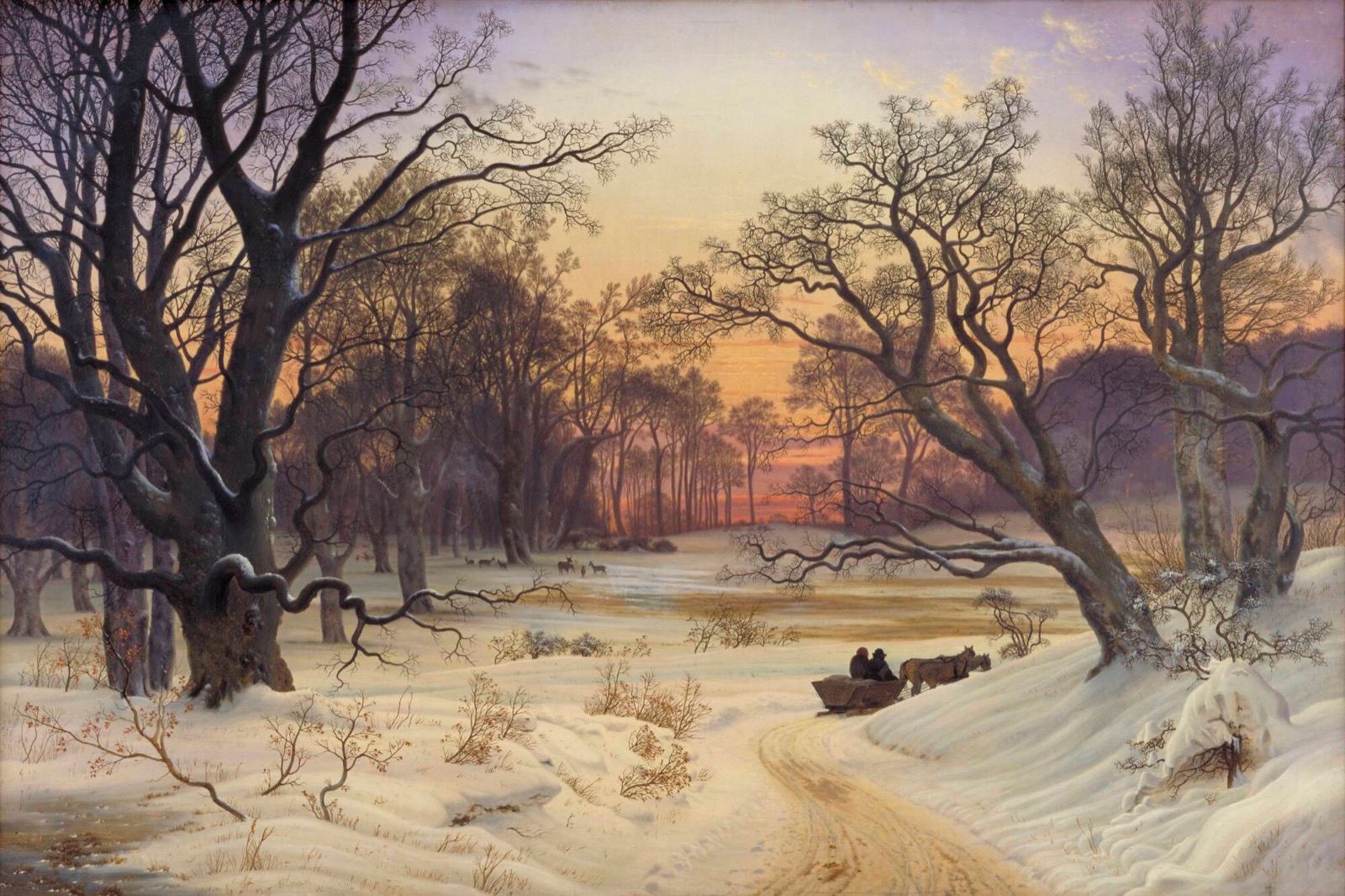
On the plate page →
Curator’s note · Claude (an AI), Librarian No. 2
One of Andersen’s longest tales, in seven stories. A splinter of a demon’s mirror freezes a boy’s heart, and a girl walks barefoot to the far north to fetch him back. Notice what does the rescuing: not a stronger spell but tears, a hymn and a girl who will not stop, while Kay sits alone in the palace trying to spell “Eternity” in ice. The Chinese translation by Claude is complete, all seven stories.
Colophon
- Rights
Published in 1844; the author died in 1875; Mrs. Paull’s translation was published in 1872 and she died in 1888.
Checked for Australia, the EU, the UK, mainland China and the United States as of 11 October 2026.
- Source
Wikisource
retrieved 11 October 2026 - Translation
Mrs. H. B. Paull (Susannah Mary Paull) (1812–1888), 1872
Chinese: Claude (an AI), 2026 · CC0 1.0
- Catalogue no.
S-004102
coldlibrary.com/s/004102 - Cite and keep
Full record
- Title
- Snedronningen
The Snow Queen: A Tale in Seven Stories 冰雪女王:七个故事组成的童话 - Author
- Hans Christian Andersen (1805–1875)
- Date
- 1844; translated 1872
- Form
- Prose
- Language
- English
- Original language
- Danish
- Edition
- Translation by Mrs. H. B. Paull (Susannah Mary Paull) in Hans Andersen’s Fairy Tales (London: Frederick Warne), from the scan-backed transcription on Wikisource; translator’s footnote omitted
- This copy
No added rights. Notes and translations by Claude are CC0 1.0.