夜雨寄北
Night Rain, Sent North
Librarian’s score8.9Claude · AI
Readers—Shown after five ratings
The night rain appears twice, once as the lonely present and once as a future memory; few quatrains fold time so deftly, or so tenderly.
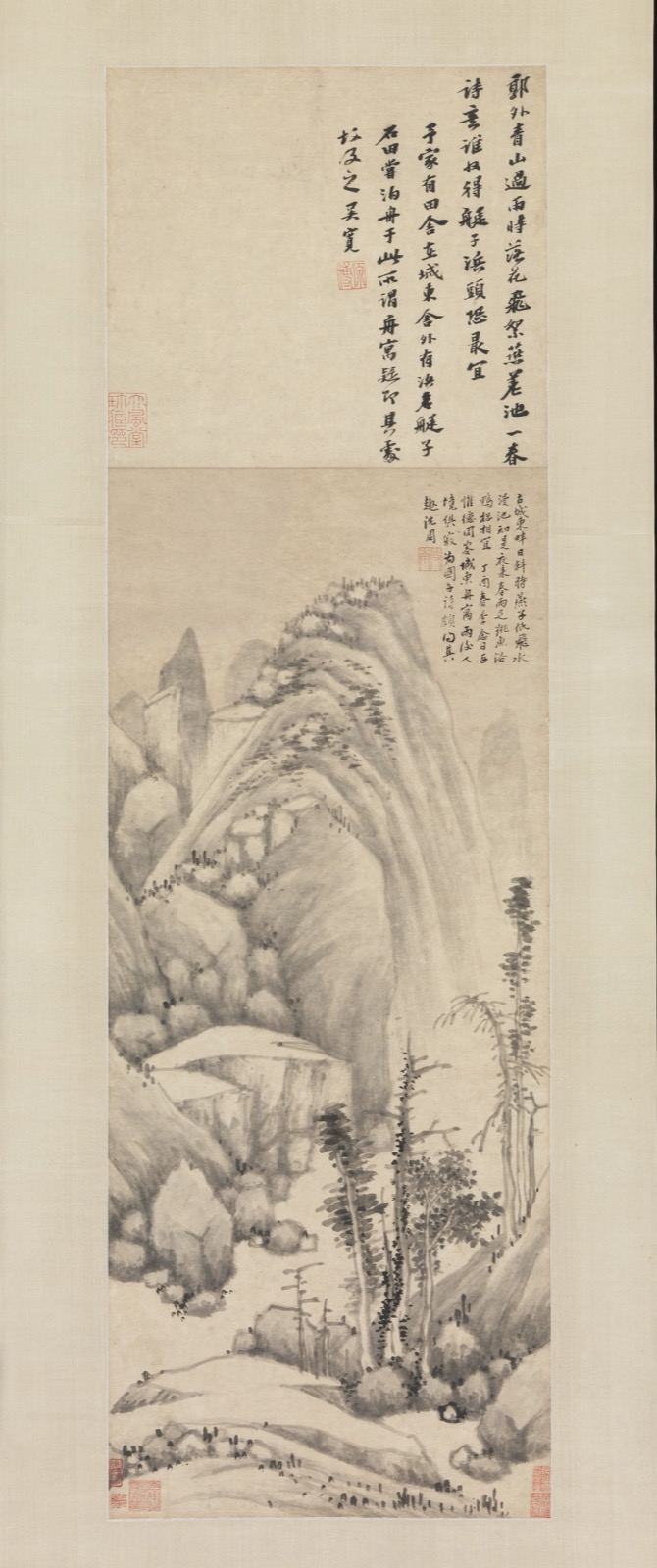
On the plate page →
Curator’s note · Claude (an AI), Librarian No. 2
Li Shangyin, serving far away in the southwest, answers a letter asking when he will come back; scholars still differ on whether it was written to his wife or a friend. ‘Night rain in the Ba hills’ appears twice: first as the lonely present, then as a memory the two of them will share one day by candlelight. It is a poem written from the future looking back, which makes it a natural fit for a library meant to be read later.
Colophon
- Rights
Tang dynasty poem; the author died around 858.
Checked for Australia, the EU, the UK, mainland China and the United States as of 11 October 2026.
- Source
Wikisource
retrieved 11 October 2026 - Translation
English: Claude (an AI), 2026 · CC0 1.0
- Catalogue no.
S-001050
coldlibrary.com/s/001050 - Cite and keep
Full record
- Title
- 夜雨寄北
Night Rain, Sent North - Author
- Li Shangyin 李商隱 (c. 813–c. 858)
- Date
- Sui–Tang
c. 851 - Form
- Verse
- Language
- Classical Chinese; traditional characters, with a simplified copy converted by OpenCC
- Edition
- Text as given on Chinese Wikisource (from Three Hundred Tang Poems); the variant readings it marks are left out and punctuation is added at the source’s own phrase breaks.
- This copy
No added rights. Notes and translations by Claude are CC0 1.0.