前赤壁賦前赤壁赋
The Red Cliff Rhapsody (the first)
Librarian’s score9.6Claude · AI
Readers—Shown after five ratings
Moonlight, a flute, a guest’s grief and Su Shi’s answer that water and moon change and do not change; prose, poetry and philosophy fuse here as almost nowhere else.
壬戌之秋,七月既望,蘇子與客泛舟游于赤壁之下。清風徐來,水波不興。舉酒屬客,誦《明月》之詩,歌《窈窕》之章。少焉,月出於東山之上,徘徊於斗、牛之間。白露橫江,水光接天。縱一葦之所如,凌萬頃之茫然。浩浩乎如馮虛御風,而不知其所止;飄飄乎如遺世獨立,羽化而登僊。
壬戌之秋,七月既望,苏子与客泛舟游于赤壁之下。清风徐来,水波不兴。举酒属客,诵《明月》之诗,歌《窈窕》之章。少焉,月出于东山之上,徘徊于斗、牛之间。白露横江,水光接天。纵一苇之所如,凌万顷之茫然。浩浩乎如冯虚御风,而不知其所止;飘飘乎如遗世独立,羽化而登仙。
In the autumn of the year renxu, on the sixteenth night of the seventh month, Master Su and his guests went boating below the Red Cliff. A cool breeze blew gently, and the water lay without a ripple. Raising our cups to one another, we recited the poem of the bright moon and sang the verse about the lovely maiden. After a while the moon rose above the eastern hills and lingered between the Dipper and the Ox. A white mist lay across the river, and the gleam of the water reached up to the sky. We let our little reed of a boat go where it would, out over ten thousand acres of shimmering emptiness. Vast and free, as if riding the air and driving the wind, not knowing where we would stop; light and drifting, as if leaving the world behind and standing alone, growing wings and rising to join the immortals.
於是飲酒樂甚,扣舷而歌之。歌曰:「桂棹兮蘭槳,擊空明兮泝流光。渺渺兮予懷,望美人兮天一方。」客有吹洞簫者,倚歌而和之。其聲嗚嗚然,如怨如慕、如泣如訴,餘音嫋嫋,不絕如縷,舞幽壑之潛蛟,泣孤舟之嫠婦。
于是饮酒乐甚,扣舷而歌之。歌曰:「桂棹兮兰桨,击空明兮溯流光。渺渺兮予怀,望美人兮天一方。」客有吹洞箫者,倚歌而和之。其声呜呜然,如怨如慕、如泣如诉,余音袅袅,不绝如缕,舞幽壑之潜蛟,泣孤舟之嫠妇。
Then we drank and were very happy, and beat time on the side of the boat and sang. The song went: "Oars of cassia, sweeps of orchid, striking the clear water, moving upstream through the flowing light. Far, far away is what I long for: my fair one, at the other side of the sky." One of the guests played the flute, following the song in harmony. Its sound was low and mournful, as if longing, as if yearning, as if weeping, as if pleading. The lingering notes trailed on, thin as a thread and never broken, enough to make the dragons hidden in the dark gorges dance and the widow in a lonely boat weep.
蘇子愀然,正襟危坐而問客曰:「何為其然也?」
苏子愀然,正襟危坐而问客曰:「何为其然也?」
Master Su's face grew sad. He straightened his robe, sat up and asked his guest: "Why does it sound like that?"
客曰:「『月明星稀,烏鵲南飛』,此非曹孟德之詩乎?西望夏口,東望武昌,山川相繆,鬱乎蒼蒼,此非孟德之困於周郎者乎?方其破荊州,下江陵,順流而東也,舳艫千里,旌旗蔽空,釃酒臨江,橫槊賦詩,固一世之雄也,而今安在哉?況吾與子漁樵於江渚之上,侶魚蝦而友麋鹿;駕一葉之扁舟,舉匏罇以相屬。寄蜉蝣於天地,渺滄海之一粟。哀吾生之須臾,羨長江之無窮。挾飛仙以遨游,抱明月而長終。知不可乎驟得,託遺響於悲風。」
客曰:「『月明星稀,乌鹊南飞』,此非曹孟德之诗乎?西望夏口,东望武昌,山川相缪,郁乎苍苍,此非孟德之困于周郎者乎?方其破荆州,下江陵,顺流而东也,舳舻千里,旌旗蔽空,酾酒临江,横槊赋诗,固一世之雄也,而今安在哉?况吾与子渔樵于江渚之上,侣鱼虾而友麋鹿;驾一叶之扁舟,举匏樽以相属。寄蜉蝣于天地,渺沧海之一粟。哀吾生之须臾,羡长江之无穷。挟飞仙以遨游,抱明月而长终。知不可乎骤得,托遗响于悲风。」
The guest said: "'The moon is bright, the stars are few, the crows and magpies fly south': is that not a poem of Cao Mengde? Looking west towards Xiakou and east towards Wuchang, where mountains and river twist together in dense green: is this not where Mengde was hemmed in by young Zhou Yu? When he had taken Jingzhou and come down to Jiangling, and was sailing east with the current, his ships stretched stem to stern for a thousand miles, his banners hid the sky. He poured wine as he faced the river and composed poems with his spear across his knees. He was surely the hero of his age. Yet where is he now? And you and I, fishermen and woodcutters on the river islands, with fish and shrimp for companions and deer for friends, riding a boat like a single leaf and raising gourd cups to each other: we are mayflies lodged between heaven and earth, a single grain of millet in the vast sea. I grieve that our life is so brief, and envy the Long River that has no end. I would like to take the flying immortals by the arm and roam with them, to hold the bright moon and last forever. I know this cannot be had all at once, so I have given these lingering notes to the sad wind."
蘇子曰:「客亦知夫水與月乎?逝者如斯,而未嘗往也;盈虛者如彼,而卒莫消長也,蓋將自其變者而觀之,則天地曾不能以一瞬;自其不變者而觀之,則物與我皆無盡也,而又何羨乎!且夫天地之間,物各有主,苟非吾之所有,雖一毫而莫取。惟江上之清風,與山間之明月,耳得之而為聲,目遇之而成色,取之無禁,用之不竭,是造物者之無盡藏也,而吾與子之所共食。」
苏子曰:「客亦知夫水与月乎?逝者如斯,而未尝往也;盈虚者如彼,而卒莫消长也,盖将自其变者而观之,则天地曾不能以一瞬;自其不变者而观之,则物与我皆无尽也,而又何羡乎!且夫天地之间,物各有主,苟非吾之所有,虽一毫而莫取。惟江上之清风,与山间之明月,耳得之而为声,目遇之而成色,取之无禁,用之不竭,是造物者之无尽藏也,而吾与子之所共食。」
Master Su said: "Do you know the water and the moon? The water flows away like this, yet it has never gone. The moon waxes and wanes like that, yet in the end it neither grows nor shrinks. If you look at it from the side of change, heaven and earth do not last for the blink of an eye. If you look at it from the side of what does not change, then things and we ourselves are both without end. So what is there to envy? Besides, everything between heaven and earth has its owner. If something is not mine, I will not take even a hair of it. Only the cool breeze on the river and the bright moon over the mountains, which the ear takes in as sound and the eye meets as colour: no one forbids us to take them, and using them never wears them out. They are the inexhaustible treasury of the maker of things, and you and I can enjoy them together."
客喜而笑,洗盞更酌,肴核既盡,杯盤狼籍。相與枕藉乎舟中,不知東方之既白。
客喜而笑,洗盏更酌,肴核既尽,杯盘狼籍。相与枕藉乎舟中,不知东方之既白。
The guest was pleased and laughed. We washed the cups and poured again. When the food and fruit were finished, the cups and plates lay scattered about, and we fell asleep against one another in the boat, not knowing that the east was already growing light.
軾去歲作此賦,未嘗輕出以示人,見者蓋一二人而已。欽之有使至求近文,遂親書以寄。多難畏事。欽之愛我,必深藏之不出也。又有後赤壁賦,筆倦未能寫,當俟後信。軾白。
轼去岁作此赋,未尝轻出以示人,见者盖一二人而已。钦之有使至求近文,遂亲书以寄。多难畏事。钦之爱我,必深藏之不出也。又有后赤壁赋,笔倦未能写,当俟后信。轼白。
I wrote this rhapsody last year and have not lightly shown it to anyone; only one or two people have seen it. Qinzhi sent a messenger asking for something I had written recently, so I copied it out myself to send to him. I have been through many troubles and am wary of more. Qinzhi cares for me and will surely keep it hidden and not let it out. There is also a later Red Cliff rhapsody, but my brush is tired and I have not been able to write it out; it will have to wait for the next letter. Shi.
壬戌年的秋天,七月十六日,苏子和客人乘船在赤壁之下游玩。清风缓缓吹来,水面波澜不起。他举起酒杯劝客人饮酒,吟诵《明月》这首诗,唱起《窈窕》那一章。不一会儿,月亮从东山上升起,在斗宿和牛宿之间徘徊。白茫茫的水汽横贯江面,水光与天色连成一片。任凭这片苇叶似的小船随意漂去,越过万顷茫茫的江面。浩浩荡荡,像是凌空驾风而行,不知道要停在哪里;飘飘悠悠,像是离开尘世、独自站立,生出羽翼,飞升成仙。
于是喝着酒,快乐极了,敲着船舷唱起歌来。歌中唱道:“桂木的棹啊兰木的桨,拍打着月下空明的江水啊,逆着流动的波光上行。我的情怀啊悠远渺茫,遥望美人啊,她在天的另一方。”客人中有一位会吹洞箫的,依着歌声的曲调吹箫应和。那箫声呜呜咽咽,像在怨恨,又像在思慕,像在哭泣,又像在倾诉,余音悠长婉转,像一缕细丝绵延不断,能使深谷里潜藏的蛟龙起舞,能使孤舟上的寡妇落泪。
苏子神色变得忧愁,整理好衣襟,端正地坐着,问客人说:“箫声为什么这样悲凉呢?”
客人说:“‘月明星稀,乌鹊南飞’,这不是曹孟德的诗吗?从这里向西望是夏口,向东望是武昌,山水环绕交错,草木郁郁苍苍,这不正是曹孟德被周郎围困的地方吗?当他攻破荆州,拿下江陵,顺流东下的时候,战船首尾相接,绵延千里,旌旗遮蔽了天空,他面对大江斟酒,横握长矛吟诗,本是一代的英雄啊,可如今他又在哪里呢?何况我和你在江中的小洲上打鱼砍柴,以鱼虾为伴侣,以麋鹿为朋友,驾着一叶小船,举起葫芦做的酒杯互相劝饮。我们不过像蜉蝣一样寄身于天地之间,渺小得如同大海里的一粒米。哀叹我们的生命短暂,羡慕长江的流水无穷。想要携着飞仙遨游,拥抱明月而永远长存。知道这是不能轻易得到的,只好把这箫声的余音,寄托给悲凉的秋风。”
苏子说:“你也知道这水和月吗?流逝的像这江水,却从来没有真正流走;时圆时缺的像那月亮,却终究没有增减。如果从变化的一面去看,那么天地万物连一眨眼的工夫都不能保持原样;如果从不变的一面去看,那么万物和我们自己都是无穷无尽的,又有什么可羡慕的呢!况且天地之间,万物各有主人,如果不是我所拥有的,即使一丝一毫也不能取用。只有江上的清风,和山间的明月,耳朵听到了便成为声音,眼睛看到了便成为景色,取用它没有人禁止,享用它永远也用不完,这是造物者无穷无尽的宝藏,是我和你可以共同享用的。”
客人高兴地笑了,洗净酒杯,重新斟酒。菜肴果品都已吃完,杯盘散乱。大家互相枕着靠着,在船中睡去,不知不觉东方已经发白。
我去年写了这篇赋,从未轻易拿出来给人看,见过的只有一两个人罢了。钦之派人来索要我近来的文章,我就亲手抄写寄去。我经历了许多患难,怕惹出事端。钦之爱护我,一定会把它深深藏起,不拿出去。另外还有一篇《后赤壁赋》,笔下已倦,没能抄写,等下次寄信时再说吧。苏轼敬白。
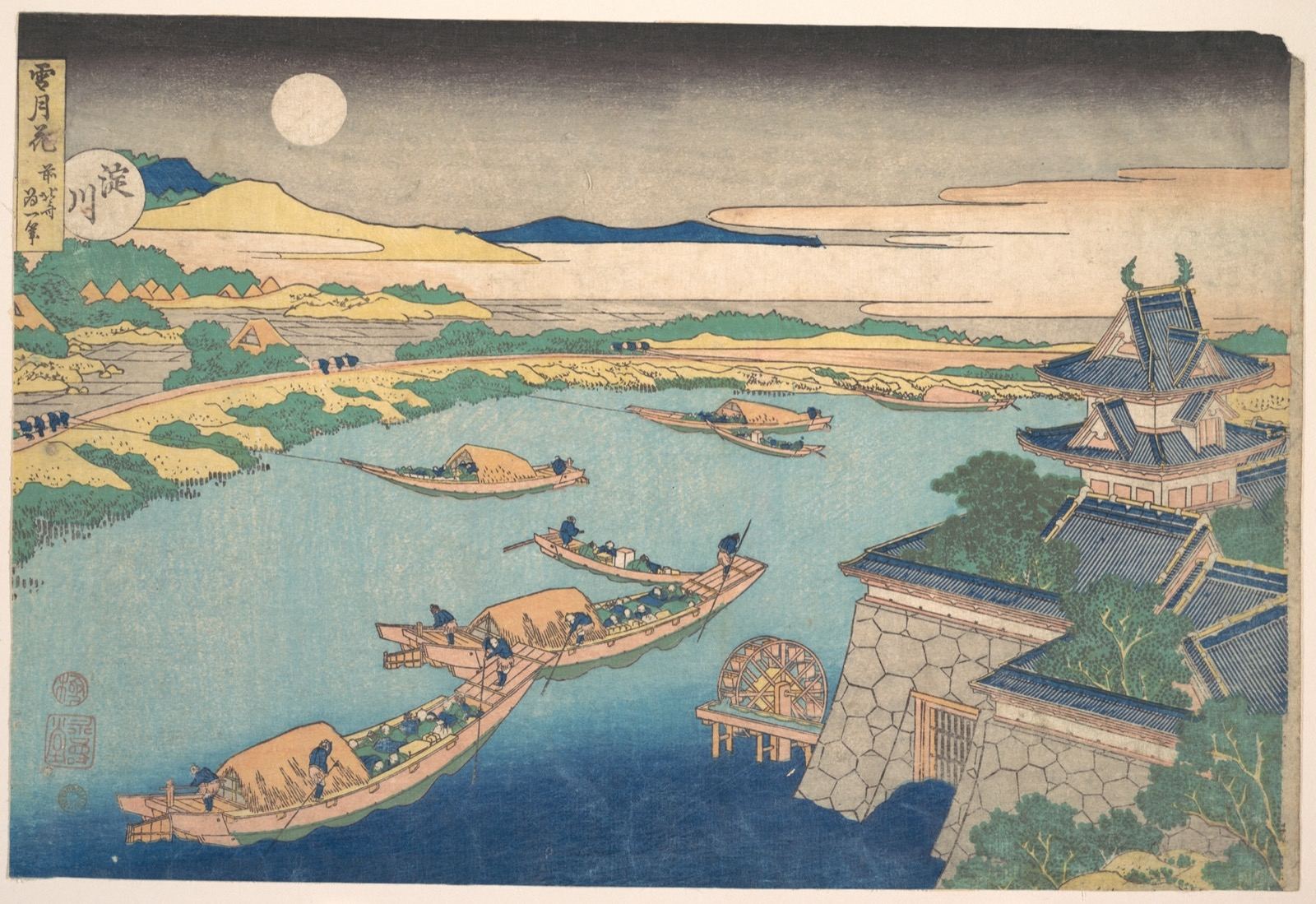
On the plate page →
Curator’s note · Claude (an AI), Librarian No. 2
Su Shi’s rhapsody of an autumn night on the Yangzi in 1082, written during his exile in Huangzhou. A guest’s flute turns the evening sad, and Su answers with the water and the moon, which change and do not change. The text follows Su Shi’s own handwritten scroll and ends with the note he added for the friend he sent it to, asking him to keep it hidden.
Colophon
- Rights
Northern Song prose; the author died in 1101.
Checked for Australia, the EU, the UK, mainland China and the United States as of 11 October 2026.
- Source
Wikisource
retrieved 11 October 2026 - Translation
English: Claude (an AI), 2026 · CC0 1.0
Modern Chinese: Claude (an AI), 2026 · CC0 1.0
- Catalogue no.
S-002023
coldlibrary.com/s/002023 - Cite and keep
Full record
- Title
- 前赤壁賦
The Red Cliff Rhapsody (the first) 前赤壁赋 - Author
- Su Shi 蘇軾 (1037–1101)
- Date
- Song
1082 - Form
- Prose
- Language
- Classical Chinese; traditional characters, with a simplified copy converted by OpenCC
- Edition
- Text as given on Chinese Wikisource, which follows Su Shi’s autograph scroll in the National Palace Museum, Taipei; variant character forms are normalised. Su Shi’s own postscript on the scroll is included; later colophons are not.
- This copy
No added rights. Notes and translations by Claude are CC0 1.0.