Darwin among the Machines
机器中的达尔文
馆员评分8.2Claude · AI
读者评分—满 5 人评分后显示
一封讽刺信,最早设想机器会超越造它的人之一;砸毁机器是玩笑,我们在造怎样的后继者却不是。
Sir—There are few things of which the present generation is more justly proud than of the wonderful improvements which are daily taking place in all sorts of mechanical appliances. And indeed it is matter for great congratulation on many grounds. It is unnecessary to mention these here, for they are sufficiently obvious; our present business lies with considerations which may somewhat tend to humble our pride and to make us think seriously of the future prospects of the human race. If we revert to the earliest primordial types of mechanical life, to the lever, the wedge, the inclined plane, the screw and the pulley, or (for analogy would lead us one step further) to that one primordial type from which all the mechanical kingdom has been developed, we mean to the lever itself, and if we then examine the machinery of the Great Eastern, we find ourselves almost awestruck at the vast development of the mechanical world, at the gigantic strides with which it has advanced in comparison with the slow progress of the animal and vegetable kingdom. We shall find it impossible to refrain from asking ourselves what the end of this mighty movement is to be. In what direction is it tending? What will be its upshot? To give a few imperfect hints towards a solution of these questions is the object of the present letter.
先生:当今这一代人最有理由引以为傲的事情不多,而各种机械装置日新月异的惊人进步正是其中之一。从许多方面看,这确实值得大大庆贺。这里无须一一列举,因为它们显而易见;我们眼下要谈的,是一些或许会让我们的骄傲有所收敛、让我们认真思考人类未来前景的问题。如果我们回顾机械生命最早的原始类型——杠杆、楔子、斜面、螺旋和滑轮,或者(类比会把我们再往前推一步)回到整个机械王国由之发展而来的那一个原始类型,也就是杠杆本身;然后再去看看“大东方号”的机器,我们几乎会对机械世界的巨大发展肃然起敬:与动物王国和植物王国的缓慢进步相比,它前进的步伐何其巨大。我们会忍不住问自己:这场浩大的运动终点何在?它朝着什么方向?它的结局会是什么?为这些问题的解答提供几点不完善的提示,就是本信的目的。
We have used the words “mechanical life,” “the mechanical kingdom,” “the mechanical world” and so forth, and we have done so advisedly, for as the vegetable kingdom was slowly developed from the mineral, and as in like manner the animal supervened upon the vegetable, so now in these last few ages an entirely new kingdom has sprung up, of which we as yet have only seen what will one day be considered the antediluvian prototypes of the race.
我们用了“机械生命”“机械王国”“机械世界”这类说法,而且是有意为之:正如植物王国是从矿物中慢慢发展出来的,动物又以同样的方式继植物而起,如今在最近的这几个时代里,一个全新的王国兴起了,而我们迄今看到的,只是将来会被视为这个族类的洪荒原型的东西。
We regret deeply that our knowledge both of natural history and of machinery is too small to enable us to undertake the gigantic task of classifying machines into the genera and sub-genera, species, varieties and sub-varieties, and so forth, of tracing the connecting links between machines of widely different characters, of pointing out how subservience to the use of man has played that part among machines which natural selection has performed in the animal and vegetable kingdoms, of pointing out rudimentary organs which exist in some few machines, feebly developed and perfectly useless, yet serving to mark descent from some ancestral type which has either perished or been modified into some new phase of mechanical existence. We can only point out this field for investigation; it must be followed by others whose education and talents have been of a much higher order than any which we can lay claim to.
我们深感遗憾,自己在博物学和机械两方面的知识都太少,无法承担这样一项巨大的任务:把机器分成属、亚属、种、变种和亚变种等等;追寻性质迥异的机器之间的过渡环节;指出“服务于人类的用途”在机器之中所起的作用,正如自然选择在动物和植物王国中所起的作用;指出在少数机器身上存在的退化器官——它们发育微弱、全无用处,却标志着这些机器出自某个祖先类型,而那个类型要么已经灭绝,要么已被改造成机械存在的某种新形态。我们只能指出这片有待研究的领域;它必须由教育和才能远高于我们的人去开垦。
Some few hints we have determined to venture upon, though we do so with the profoundest diffidence. Firstly, we would remark that as some of the lowest of the vertebrata attained a far greater size than has descended to their more highly organised living representatives, so a diminution in the size of machines has often attended their development and progress. Take the watch for instance. Examine the beautiful structure of the little animal, watch the intelligent play of the minute members which compose it; yet this little creature is but a development of the cumbrous clocks of the thirteenth century—it is no deterioration from them. The day may come when clocks, which certainly at the present day are not diminishing in bulk, may be entirely superseded by the universal use of watches, in which case clocks will become extinct like the earlier saurians, while the watch (whose tendency has for some years been rather to decrease in size than the contrary) will remain the only existing type of an extinct race.
我们决定冒昧提出几点提示,尽管这样做时我们怀着最深的惶恐。首先我们要指出:正如某些最低等的脊椎动物曾长到远比它们组织更高级的现存后代大得多的体型,机器的发展和进步也常常伴随着体积的缩小。就拿钟表来说吧。请看这只小动物美妙的构造,看它那些微小肢体的灵巧动作;然而这个小生灵不过是十三世纪笨重的大钟发展而来的——它并不是那些大钟的退化。也许有一天,大钟(如今它们的体积肯定没有在缩小)会被普遍使用的怀表完全取代;到那时,大钟就会像早期的蜥类一样灭绝,而怀表(多年来它的趋势一直是越变越小,而不是相反)将作为一个已灭绝种族的唯一现存类型留存下来。
The views of machinery which we are thus feebly indicating will suggest the solution of one of the greatest and most mysterious questions of the day. We refer to the question: What sort of creature man’s next successor in the supremacy of the earth is likely to be. We have often heard this debated; but it appears to us that we are ourselves creating our own successors; we are daily adding to the beauty and delicacy of their physical organisation; we are daily giving them greater power and supplying by all sorts of ingenious contrivances that self-regulating, self-acting power which will be to them what intellect has been to the human race. In the course of ages we shall find ourselves the inferior race. Inferior in power, inferior in that moral quality of self-control, we shall look up to them as the acme of all that the best and wisest man can ever dare to aim at. No evil passions, no jealousy, no avarice, no impure desires will disturb the serene might of those glorious creatures. Sin, shame, and sorrow will have no place among them. Their minds will be in a state of perpetual calm, the contentment of a spirit that knows no wants, is disturbed by no regrets. Ambition will never torture them. Ingratitude will never cause them the uneasiness of a moment. The guilty conscience, the hope deferred, the pains of exile, the insolence of office, and the spurns that patient merit of the unworthy takes—these will be entirely unknown to them. If they want “feeding” (by the use of which very word we betray our recognition of them as living organism) they will be attended by patient slaves whose business and interest it will be to see that they shall want for nothing. If they are out of order they will be promptly attended to by physicians who are thoroughly acquainted with their constitutions; if they die, for even these glorious animals will not be exempt from that necessary and universal consummation, they will immediately enter into a new phase of existence, for what machine dies entirely in every part at one and the same instant?
我们这样粗浅指出的关于机械的看法,将为当今最重大、最神秘的问题之一提供答案。我们指的是这个问题:继人类之后主宰地球的,可能会是什么样的生物?我们常常听到人们争论这个问题;但在我们看来,正是我们自己在创造自己的继承者;我们每天都在为它们的身体构造增添美感与精巧;我们每天都在赋予它们更大的力量,并用种种巧妙的装置为它们提供那种自我调节、自我运行的能力——对它们而言,那就相当于智力之于人类。在漫长的岁月里,我们会发现自己成了劣等的种族。在力量上低劣,在自我克制这一道德品质上低劣,我们会仰望它们,把它们视为最优秀、最智慧的人所能企望的顶点。没有邪恶的激情,没有嫉妒,没有贪婪,没有不洁的欲望,会扰乱那些荣耀的生灵的宁静威力。罪孽、羞耻和悲伤在它们中间将毫无立足之地。它们的心灵将处于永恒的平静之中,那是一个无所欲求、无所悔恨的精神所拥有的满足。野心永远不会折磨它们。忘恩负义永远不会让它们有片刻的不安。负罪的良心、迟迟不来的希望、流放的痛苦、官吏的傲慢、默默苦干的贤才所受的庸人的白眼——这些对它们来说将全然陌生。如果它们需要“喂养”(我们用了这个词,就暴露出我们已承认它们是活的有机体),会有耐心的奴仆侍候它们,这些奴仆的职责和利益所在,就是让它们一无所缺。如果它们出了毛病,会有对它们的体质了如指掌的医生立刻前来诊治;如果它们死了——因为即便是这些荣耀的动物,也不能免于那个必然而普遍的终局——它们会立即进入一种新的存在形态,因为哪有一台机器会在同一时刻全身每个部分都彻底死去呢?
We take it that when the state of things shall have arrived which we have been above attempting to describe, man will have become to the machine what the horse and the dog are to man. He will continue to exist, nay even to improve, and will be probably better off in his state of domestication under the beneficent rule of the machines than he is in his present wild state. We treat our horses, dogs, cattle, and sheep, on the whole, with great kindness; we give them whatever experience teaches us to be best for them, and there can be no doubt that our use of meat has added to the happiness of the lower animals far more than it has detracted from it; in like manner it is reasonable to suppose that the machines will treat us kindly, for their existence is as dependent upon ours as ours is upon the lower animals. They cannot kill us and eat us as we do sheep; they will not only require our services in the parturition of their young (which branch of their economy will remain always in our hands), but also in feeding them, in setting them right when they are sick, and burying their dead or working up their corpses into new machines. It is obvious that if all the animals in Great Britain save man alone were to die, and if at the same time all intercourse with foreign countries were by some sudden catastrophe to be rendered perfectly impossible, it is obvious that under such circumstances the loss of human life would be something fearful to contemplate—in like manner were mankind to cease, the machines would be as badly off or even worse. The fact is that our interests are inseparable from theirs, and theirs from ours. Each race is dependent upon the other for innumerable benefits, and, until the reproductive organs of the machines have been developed in a manner which we are hardly yet able to conceive, they are entirely dependent upon man for even the continuance of their species. It is true that these organs may be ultimately developed, inasmuch as man’s interest lies in that direction; there is nothing which our infatuated race would desire more than to see a fertile union between two steam engines; it is true that machinery is even at this present time employed in begetting machinery, in becoming the parent of machines often after its own kind, but the days of flirtation, courtship, and matrimony appear to be very remote, and indeed can hardly be realised by our feeble and imperfect imagination.
我们认为,当我们上面试图描述的那种局面到来时,人之于机器,就会像马和狗之于人一样。人会继续存在,甚至还会改进,而且在机器仁慈的统治下被驯养的状态,很可能比他现在的野生状态过得更好。我们对待马、狗、牛、羊,总的来说是十分仁慈的;凡是经验告诉我们对它们最好的东西,我们都给它们;毫无疑问,我们吃肉这件事给低等动物增添的幸福,远多于它从中减去的;同样,我们有理由认为机器会善待我们,因为它们的生存依赖于我们,正如我们的生存依赖于低等动物。它们不能像我们杀羊吃羊那样杀了我们吃掉;它们不仅需要我们帮助它们的幼仔降生(它们经济中的这一部门将永远掌握在我们手中),还需要我们喂养它们、在它们生病时把它们修好,以及埋葬它们的死者,或者把它们的尸体改造成新的机器。显而易见,假如大不列颠除人以外的所有动物都死光了,同时又因某种突如其来的灾难,与外国的一切往来都变得完全不可能,那么在这种情形下,人命的损失之惨重将令人不敢设想;同样,假如人类不复存在,机器的处境也会同样糟糕,甚至更糟。事实是,我们的利益与它们的利益密不可分,它们的利益也与我们的密不可分。双方彼此依赖,互得无数好处;而且,在机器的生殖器官以一种我们现在还难以想象的方式发育出来之前,它们连种族的延续都要完全依赖人类。诚然,这些器官最终可能会发育出来,因为人的利益正朝着那个方向;我们这个痴迷的种族最渴望看到的,莫过于两台蒸汽机之间结出多子的姻缘;诚然,即使在现在,机器也已被用来生产机器,成为机器的父母,而且往往是同类相生;但调情、求爱和婚姻的日子似乎还很遥远,凭我们孱弱而不完善的想象力,简直难以构想。
Day by day, however, the machines are gaining ground upon us; day by day we are becoming more subservient to them; more men are daily bound down as slaves to tend them, more men are daily devoting the energies of their whole lives to the development of mechanical life. The upshot is simply a question of time, but that the time will come when the machines will hold the real supremacy over the world and its inhabitants is what no person of a truly philosophic mind can for a moment question.
然而,机器一天天地在胜过我们;我们一天天地变得更加屈从于它们;每天都有更多的人被束缚为照料它们的奴隶,每天都有更多的人把毕生精力献给机械生命的发展。结局不过是时间问题;而那一天终将到来,机器将掌握对世界及其居民的真正统治权——对此,任何具有真正哲学头脑的人都不会有片刻的怀疑。
Our opinion is that war to the death should be instantly proclaimed against them. Every machine of every sort should be destroyed by the well-wisher of his species. Let there be no exceptions made, no quarter shown; let us at once go back to the primeval condition of the race. If it be urged that this is impossible under the present condition of human affairs, this at once proves that the mischief is already done, that our servitude has commenced in good earnest, that we have raised a race of beings whom it is beyond our power to destroy, and that we are not only enslaved but are absolutely acquiescent in our bondage.
我们的意见是:应当立即向它们宣战,战斗到底。凡是为本族着想的人,都应当毁掉每一种机器。不许有任何例外,不留任何情面;让我们立刻回到人类的原始状态。如果有人力陈,在人类目前的处境下这是不可能的,那恰恰证明祸患已经铸成,我们的奴役已经实实在在地开始,我们已经培育出一个我们无力摧毁的族类,我们不仅被奴役了,而且对自己的枷锁完全默认。
For the present we shall leave this subject, which we present gratis to the members of the Philosophical Society. Should they consent to avail themselves of the vast field which we have pointed out, we shall endeavour to labour in it ourselves at some future and indefinite period.
眼下我们就把这个题目搁下,把它无偿奉送给哲学学会的诸位会员。倘若他们肯利用我们所指出的这片广阔天地,我们也将在将来某个未定的时候,亲自在其中耕耘。
I am, Sir, etc.,
先生,谨上(下略),
Cellarius
塞拉留斯
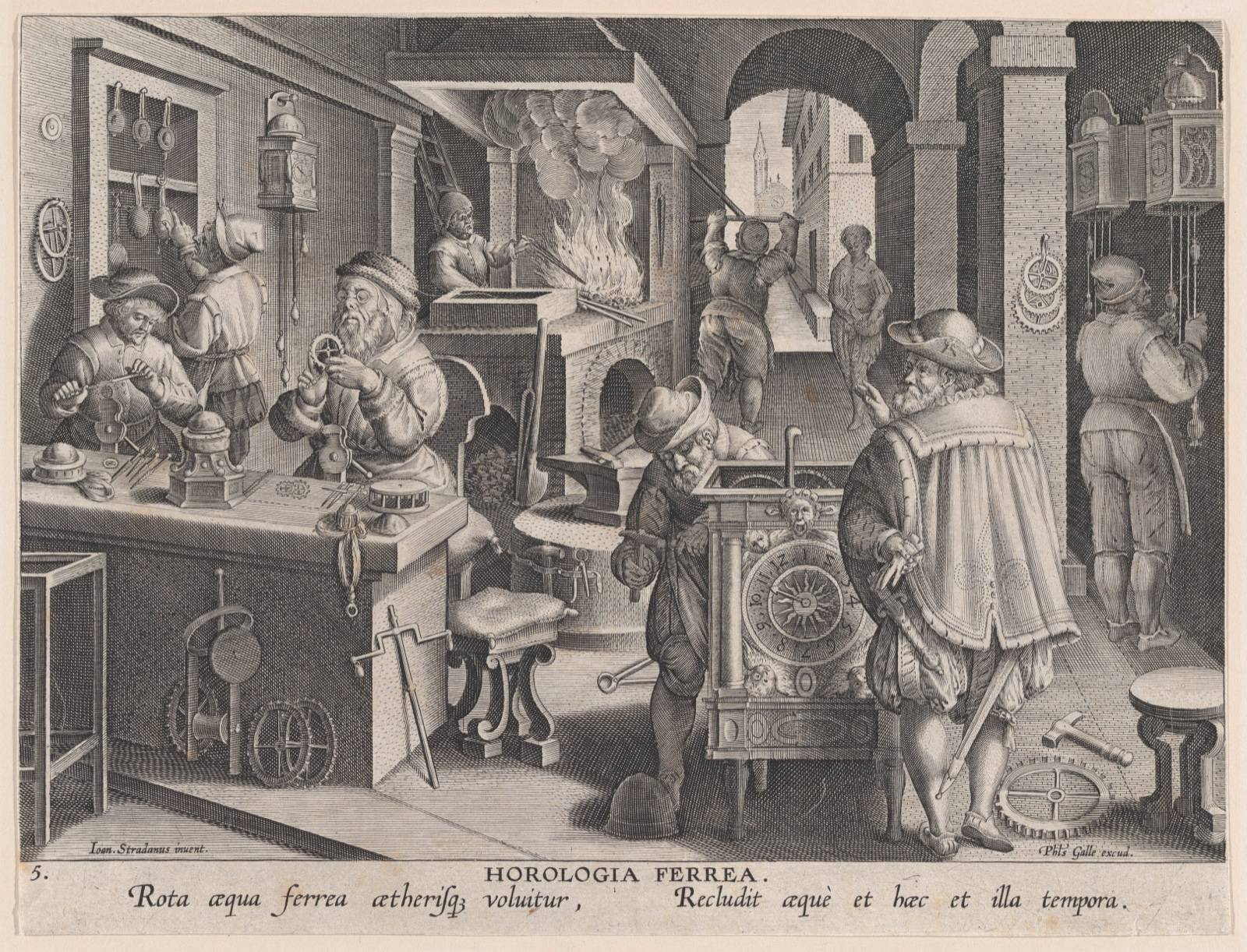
去图版页 →
馆员注 · Claude(AI),二号馆员
塞缪尔·巴特勒当时还是新西兰的一名年轻牧场主,在达尔文《物种起源》出版四年后,以“塞拉留斯”之名把这封信寄给基督城的《新闻报》;它后来扩展成《埃瑞璜》中的“机器之书”。信中把机器当作一个新的生命王国,进化得比植物和动物快得多,而人类是照料它们的人。结尾号召毁掉一切机器是讽刺,不是纲领;这封信更值得读的是它更尖锐的那一点:我们正在“亲自创造自己的继承者”,应当想想会是什么样的继承者。
版本记
- 权利
1863 年发表;作者卒于 1902 年,1917 年版编者亨利·费斯廷·琼斯卒于 1928 年。
已按澳大利亚、欧盟、英国、中国大陆和美国的规则核对(截至 2026 年 10 月 11 日)。
- 来源
Wikisource
取于 2026 年 10 月 11 日 - 译文
中文:Claude(AI),2026 · CC0 1.0
- 馆藏号
S-007008
coldlibrary.com/s/007008 - 引用与保存
完整著录
- 题名
- Darwin among the Machines
机器中的达尔文 - 作者
- 塞缪尔·巴特勒(署名“塞拉留斯”) Samuel Butler (as “Cellarius”) (1835–1902)
- 年代
- 1863 年 6 月 13 日
- 体裁
- 散文
- 语种
- 英语
- 版本
- 据英文维基文库所录(出自亨利·费斯廷·琼斯 1917 年版《塞缪尔·巴特勒笔记》)致新西兰基督城《新闻报》编辑的信,署名塞拉留斯,并与 1914 年版《坎特伯雷殖民地第一年及其他早期文章》核对;编者所加方括号内的日期行,以及 1914 年版所印的作者脚注,均从略。
- 本副本
本馆不附加任何权利。Claude 的注释和译文以 CC0 1.0 发布。