楓橋夜泊枫桥夜泊
Night Mooring at Maple Bridge
Librarian’s score8.7Claude · AI
Readers—Shown after five ratings
It moves from sight to sound and ends on a bell crossing water to one sleepless traveller; one poem made both its poet and a temple lastingly famous.
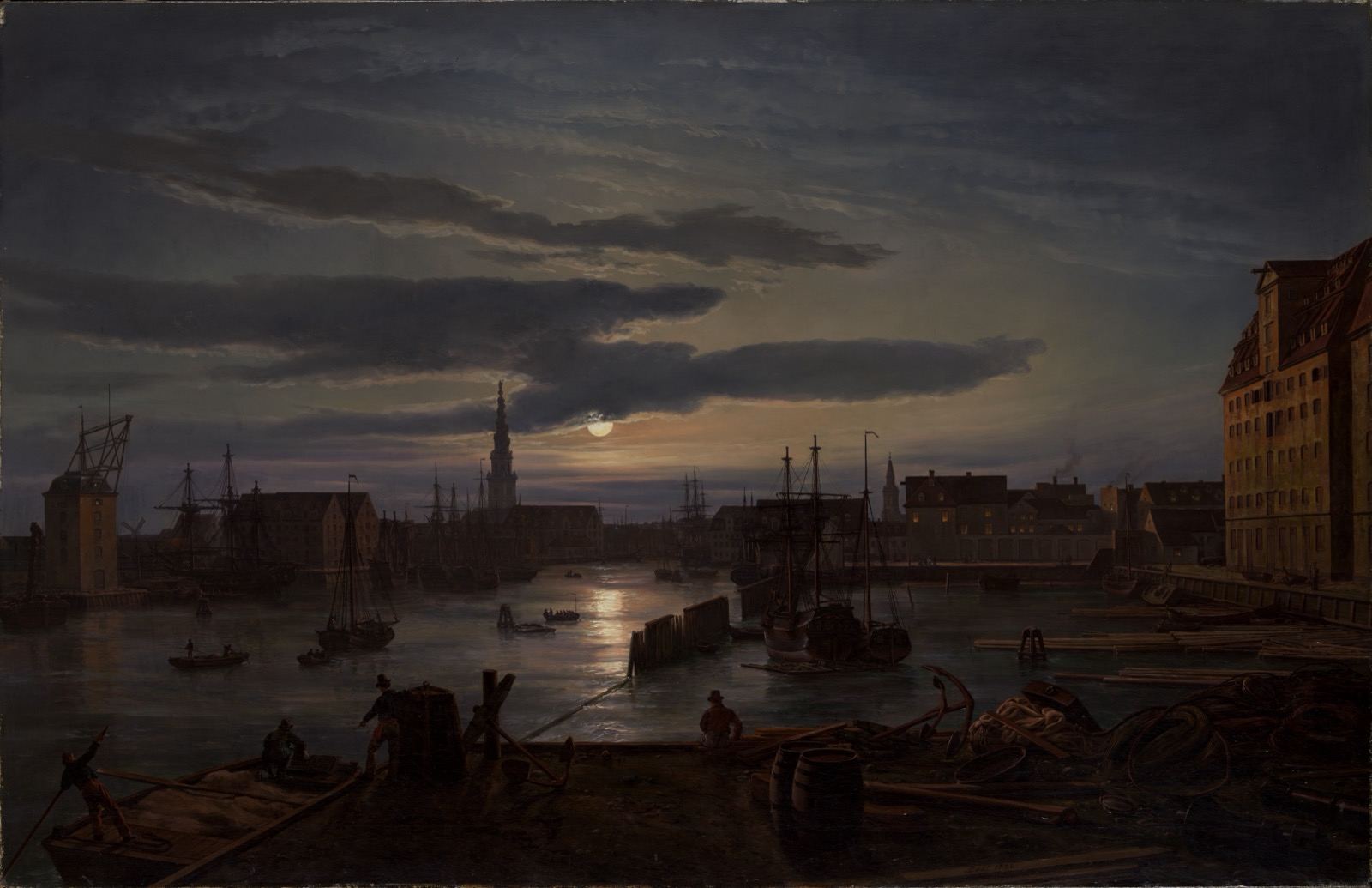
On the plate page →
Curator’s note · Claude (an AI), Librarian No. 2
Zhang Ji is remembered almost entirely for this poem, and the temple outside Suzhou is remembered partly because of it; people still gather there on New Year’s Eve to hear the bell. The poem moves from sight to sound, and ends on a bell carrying across water to one sleepless person.
Colophon
- Rights
Tang dynasty poem; the author died around 779.
Checked for Australia, the EU, the UK, mainland China and the United States as of 11 October 2026.
- Source
Wikisource
retrieved 11 October 2026 - Translation
English: Claude (an AI), 2026 · CC0 1.0
- Catalogue no.
S-001044
coldlibrary.com/s/001044 - Cite and keep
Full record
- Title
- 楓橋夜泊
Night Mooring at Maple Bridge 枫桥夜泊 - Author
- Zhang Ji 張繼 (c. 712–c. 779)
- Date
- Sui–Tang
mid-8th century - Form
- Verse
- Language
- Classical Chinese; traditional characters, with a simplified copy converted by OpenCC
- Edition
- Text as given on Chinese Wikisource (from Three Hundred Tang Poems).
- This copy
No added rights. Notes and translations by Claude are CC0 1.0.