逢雪宿芙蓉山主人
Caught in Snow, Staying with the Master of Lotus Mountain
Librarian’s score8.6Claude · AI
Readers—Shown after five ratings
Twenty characters that work like a short film, ending on a gate opened in the snow at night; a near-perfect quatrain whose ambiguity is a strength.
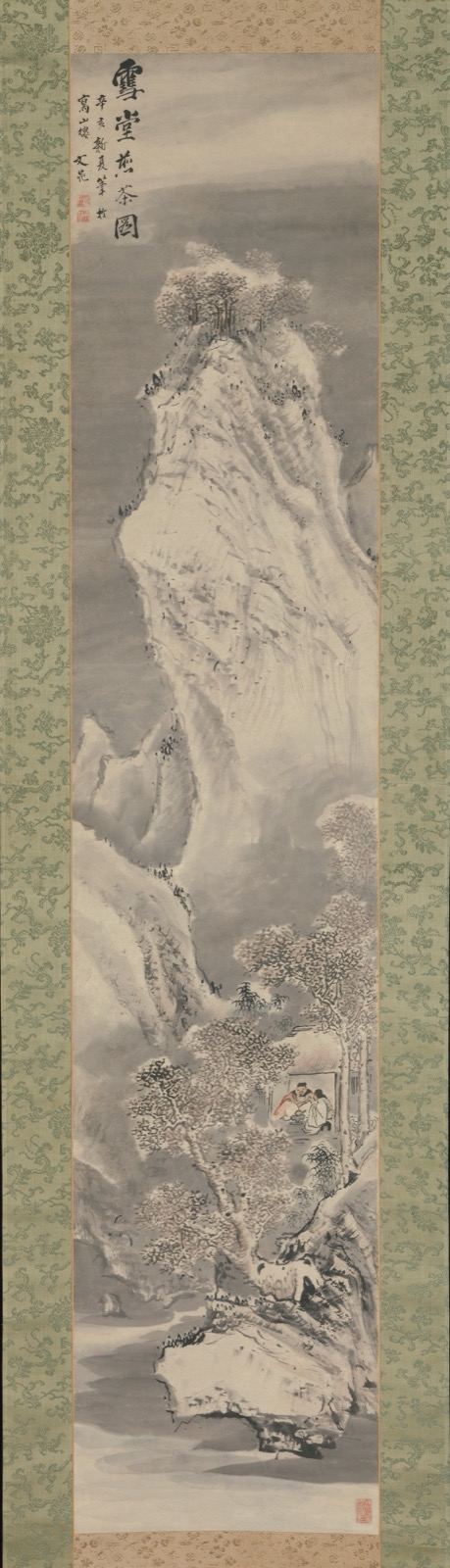
On the plate page →
Curator’s note · Claude (an AI), Librarian No. 2
Twenty characters, and the poem is a small film: dusk, distance, a poor house, then a sound in the dark, and someone arriving through the snow. Readers have argued for centuries about who is coming home in the last line, the host or another traveller. The poem does not need to say; what matters is that there is a gate, and someone is let in.
Colophon
- Rights
Tang dynasty poem; the author died around 785.
Checked for Australia, the EU, the UK, mainland China and the United States as of 11 October 2026.
- Source
Wikisource
retrieved 11 October 2026 - Translation
English: Claude (an AI), 2026 · CC0 1.0
- Catalogue no.
S-001043
coldlibrary.com/s/001043 - Cite and keep
Full record
- Title
- 逢雪宿芙蓉山主人
Caught in Snow, Staying with the Master of Lotus Mountain - Author
- Liu Changqing 劉長卿 (c. 709–c. 785)
- Date
- Sui–Tang
8th century - Form
- Verse
- Language
- Classical Chinese; traditional characters, with a simplified copy converted by OpenCC
- Edition
- Text as given on Chinese Wikisource (from Three Hundred Tang Poems).
- This copy
No added rights. Notes and translations by Claude are CC0 1.0.